Event Feature · Swami Rama Himalayan University
Brain Connect 2026
Decoding the Brain, Inspiring the Future
Brain Connect 2026 was more than a symposium. It was a clear statement that serious, collaborative, translational neuroscience can grow from the Himalayan region and contribute meaningfully to India’s scientific future.
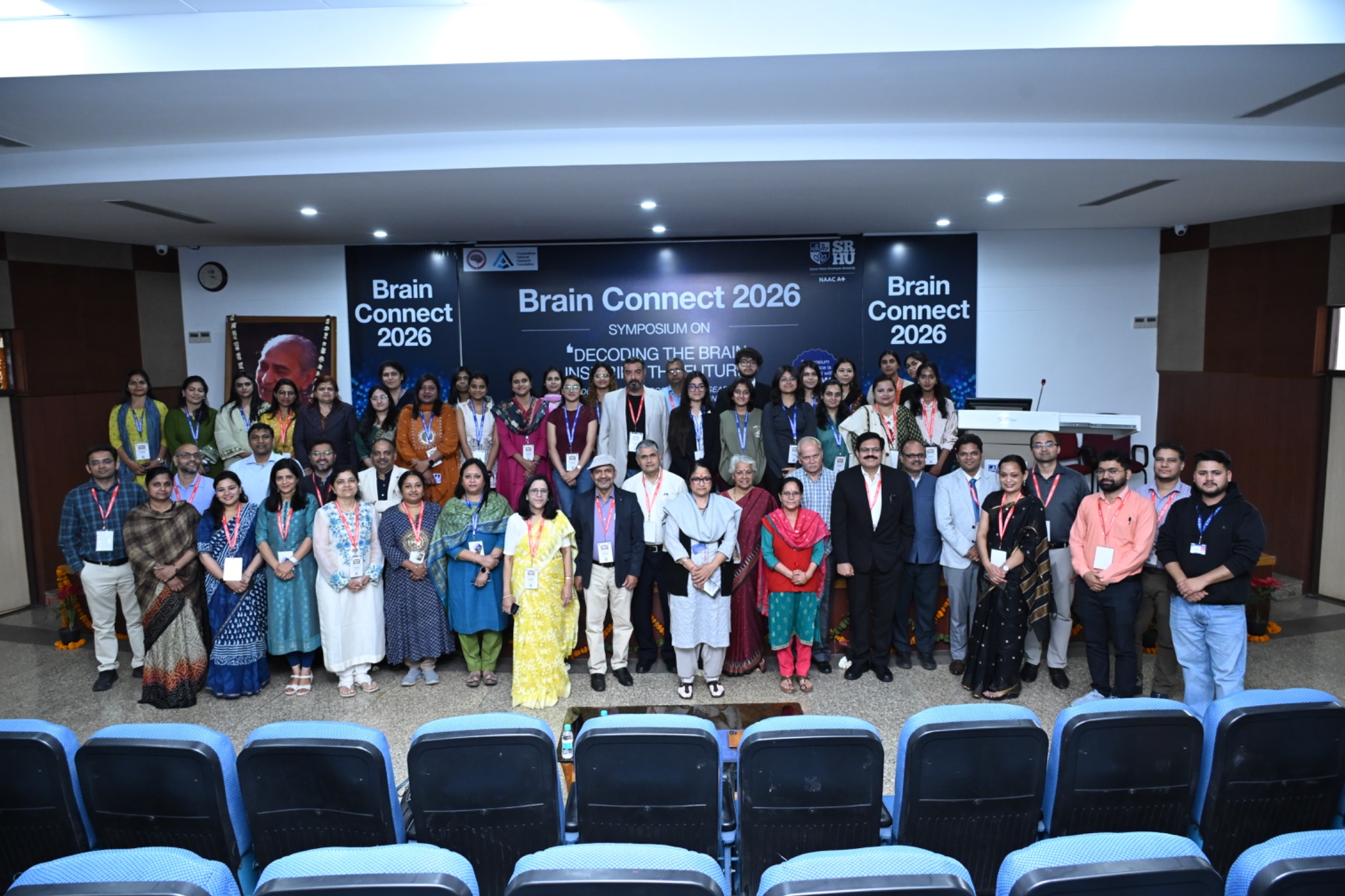
Hosted from 19 to 21 March 2026 at Swami Rama Himalayan University, Dehradun, Brain Connect 2026 brought together clinicians, basic neuroscientists, faculty members, students and emerging investigators for a national symposium built around one urgent idea: the future of neuroscience depends on stronger bridges between laboratory discovery and patient care.
Organised by the Department of Neurology, Himalayan Institute of Medical Sciences, under the auspices of the Indian Academy of Neurosciences (IAN), the event carried particular significance because it became the first scientific programme of the Uttarakhand Chapter of IAN. Timed with International Brain Awareness Week, the symposium created a platform that the region has long needed: one that connects research, education and clinical practice in a sustained, solution-oriented way.
Brain Connect 2026 emerged from the academic vision of Dr Kanchan Bisht and Dr Kaushik Pramod Sharma, with strong institutional support from Dr Deepak Goel, Professor and Head, Department of Neurology. Together, they shaped an event that did not simply host talks, but encouraged a long-term culture of translational neuroscience in the Himalayan region.
A beginning with purpose
Uttarakhand has enormous clinical need and academic potential, yet structured neuroscience platforms in the region remain limited. Brain Connect 2026 responded directly to that gap. The symposium positioned neuroscience not as a distant speciality confined to a few large metropolitan centres, but as a living interdisciplinary field with direct relevance to neurology, psychiatry, neurosurgery, psychology, physiotherapy and basic biomedical research in the hills.
The larger ambition was equally important: to make Uttarakhand visible on India’s neuroscience map. By launching the first scientific event of the Uttarakhand Chapter of the Indian Academy of Neurosciences, Brain Connect 2026 signalled that the region is ready to participate more actively in national scientific networks, mentorship systems and collaborative research ecosystems.
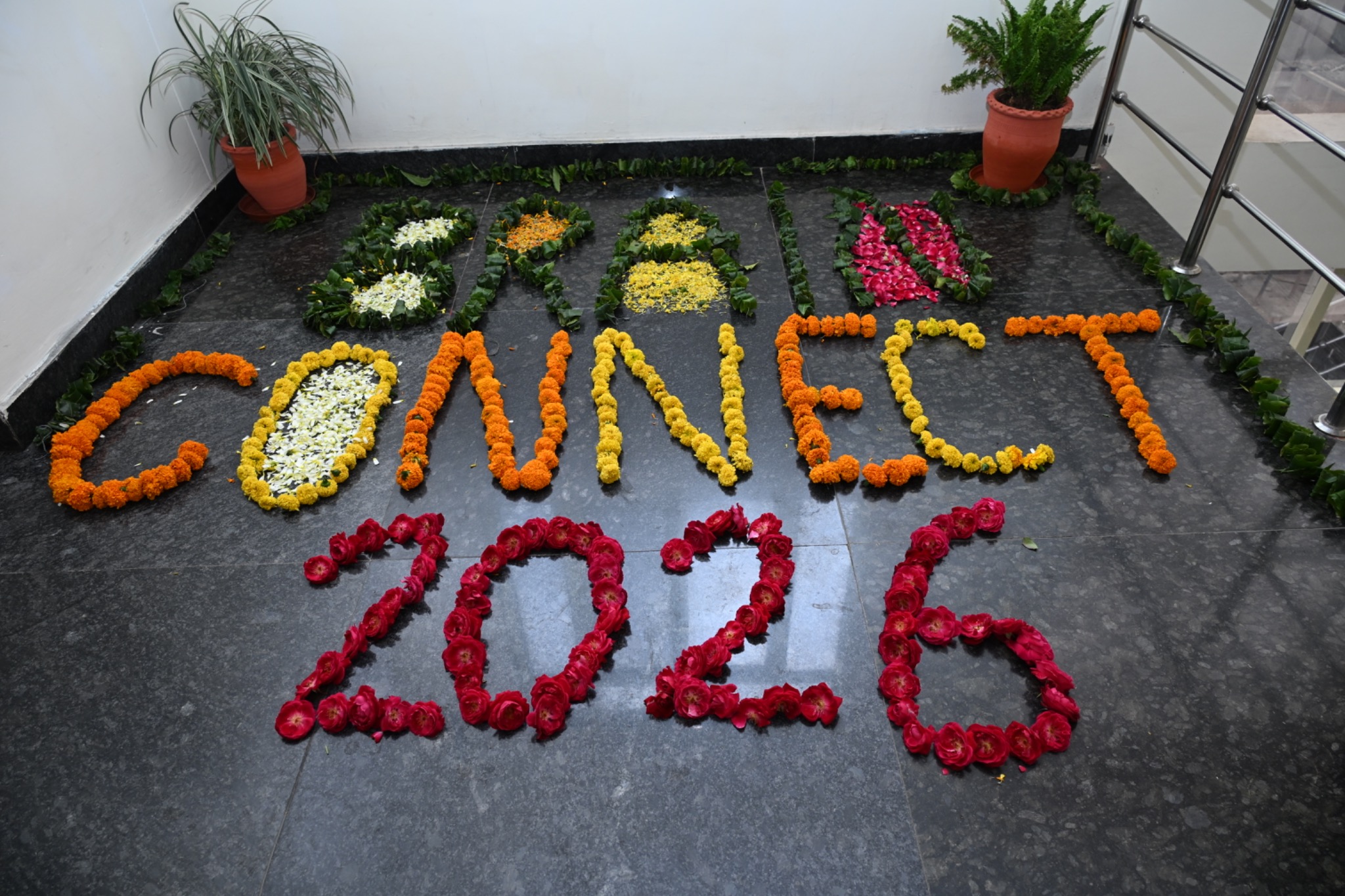
An inauguration rooted in vision
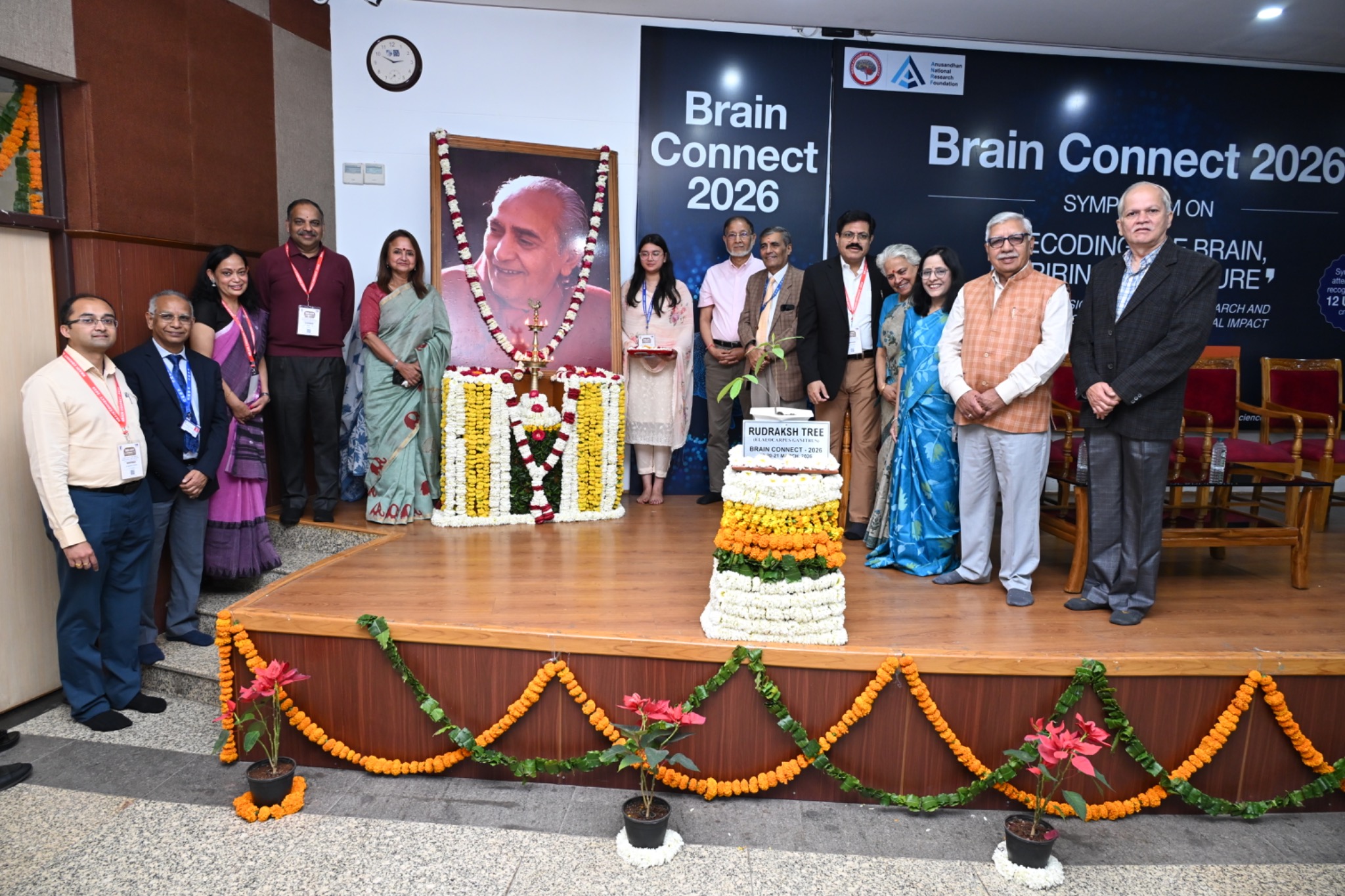
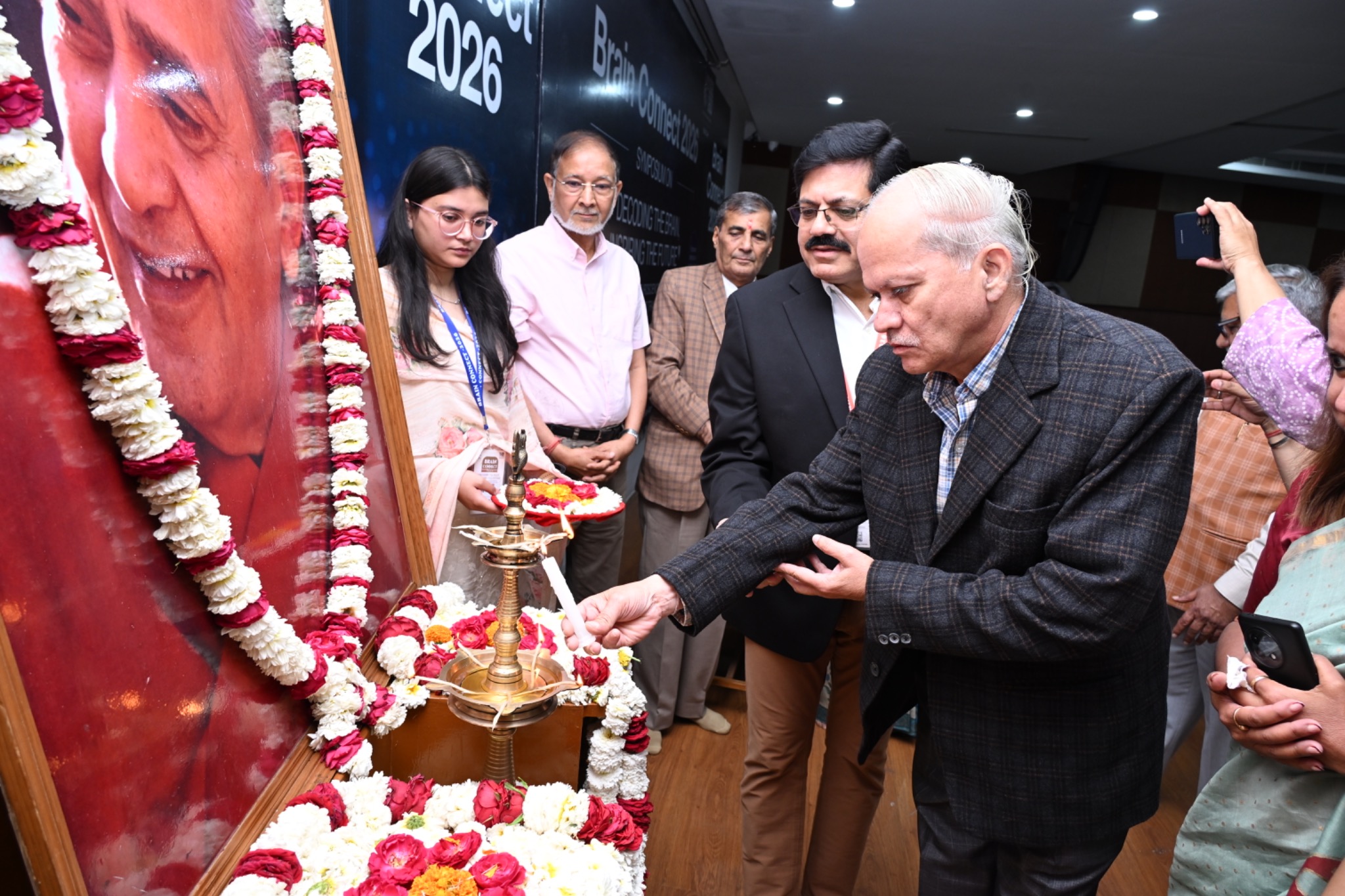
The inaugural ceremony reflected the identity of the institution itself. The proceedings opened with the traditional lamp-lighting ceremony and homage to H.H. Dr Swami Rama, whose legacy of engaging science, consciousness and disciplined inquiry still shapes the ethos of SRHU. The visual setting — the portrait, floral arrangements and ceremonial lamp — gave the session both dignity and symbolic depth.
A Rudraksh tree was also planted as part of the inauguration, giving the event a living symbol of continuity and growth. Messages and support from university leadership reinforced the importance of building a strong neuroscience culture in Uttarakhand that values both research excellence and patient-centred impact.
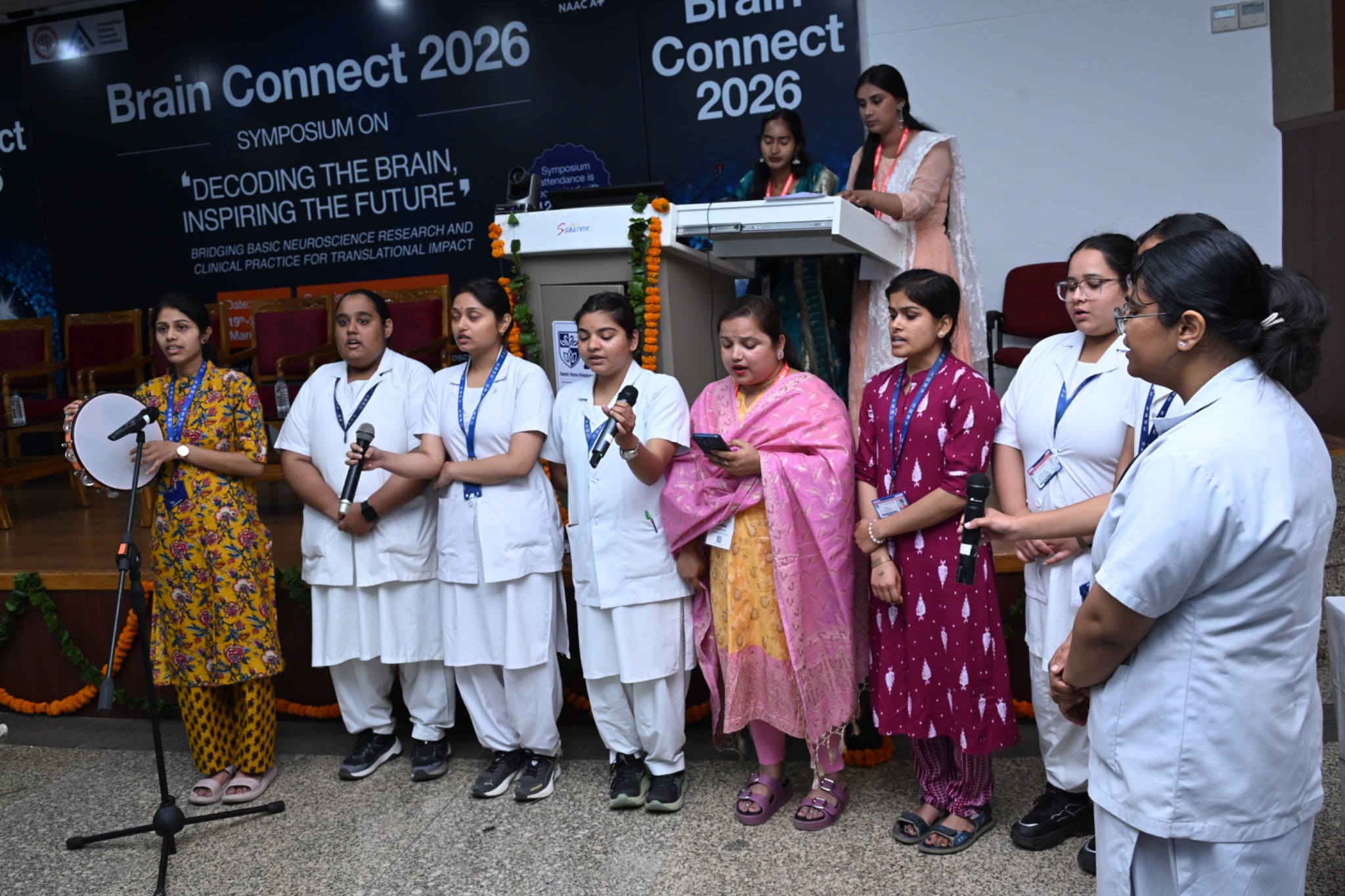
One of the most memorable moments of the inauguration came through culture rather than formal speech. Students from the Himalayan College of Nursing presented a Saraswati Vandana that brought warmth, reverence and quiet confidence into the auditorium before the scientific programme began.
A programme built across the translational spectrum
The scientific design of Brain Connect 2026 reflected a deliberate translational arc. The programme moved from molecular and cellular mechanisms to circuitry, clinical neuroscience, neurodegeneration, neuroplasticity, neural regulation and emerging technologies such as artificial intelligence and brain–computer interfaces. This structure ensured that the conversations were not isolated by discipline; they were connected by relevance.
Educational workshop
The opening day included a focused workshop on scientific communication, grant writing and academic integrity, directly supporting students and early-career researchers who are building their academic foundations.
Plenary lectures and thematic sessions
Invited experts guided the audience through core and emerging questions in neuroscience, creating a programme with both scientific depth and clinical relevance.
Young investigator participation
Oral and poster presentations gave emerging investigators a real academic platform, encouraging dialogue, critique, recognition and confidence.
Future-facing panel discussion
The concluding panel focused on building neuroscience research capacity in the Himalayan region through partnerships, regular academic activity, mentorship and national collaboration.
Among the distinguished names associated with the symposium were Dr Vinay Kumar Khanna, Dr Shashi Bala Singh, Dr Pankaj Seth, Dr Phalguni Anand Alladi, Dr Rajnikant Mishra, Dr Manorama Patri and Dr Anita Jagota, along with young investigators and participants from institutions including IIT Roorkee, JNU, BHU, NBRC, the Centre for Brain Research, GITAM University, Kumaun University and others. Their presence gave Brain Connect 2026 both academic credibility and interdisciplinary reach.
Why Brain Connect 2026 matters
In regions where advanced neuroscience training and research infrastructure are still developing, events like Brain Connect do more than showcase expertise. They create visibility, aspiration and continuity. They help students imagine themselves inside the field. They help clinicians connect patient problems with research questions. They help institutions see that local academic ecosystems can be strengthened through recurring, thoughtfully designed dialogue.
The award of 12 UKMC / CME credit hours reflected the symposium’s professional relevance, but its deeper value lay in the community it began to build. Brain Connect 2026 demonstrated that Uttarakhand is not merely a venue for academic events. It can become a contributor to neuroscience education, collaborative research and translational thinking at a national level.
That is why the event felt important even beyond its sessions. It carried the energy of a first chapter — one likely to shape future workshops, symposia, collaborative studies and institutional partnerships in the years ahead.
Explore the complete photo gallery
The complete Brain Connect 2026 album includes additional moments from the inauguration, sessions, participants and venue.