Research & Development Cell

Research and Development Cell

Research and Development Cell

Research and Development Cell (RDC) was established by the University in 2017. Since then, it is working as per the University Research Promotion Policy of 2018, revised in 2022; and following the UGC Guidelines for Establishment of Research & Development Cell in Higher Education Institutions. Accordingly, it follows a three-tier system of Governance as given below:

  1. University Research Advisory Board- URAB at the top level
  2. University Research Committee- URC at the University Level with 2 external members as per the University’s Statue for the State Govern Universities
  3. Institutional Research Committee-IRC at the Academic Unit level

Activity Profile of the RDC:

  • Holding meetings of the Statutory Research Bodies as above
  • Holding National & Regional Conference/Seminar/Workshops
  • Filing Intellectual Property emerging out of academics and research such as patents, trademark, industrial design and copyright
  • Inviting and Funding Seed & Intramural Projects
  • Helping and seeking Extramural Projects
  • Assisting in University in Publications
  • Handling Ph.D. end to end
  • Planning for New R & D Infrastructure
  • Upgradation of existing R & D Facilities
  • Hiring R & D Manpower such as JRFs; Scientists B, C, D E for specific research endeavors- Neuroscientists; Microbiologists, Food Technologists; Regenerative Medicine etc.
  • Preparation of Annual Research Activity Report
Message from Director Research

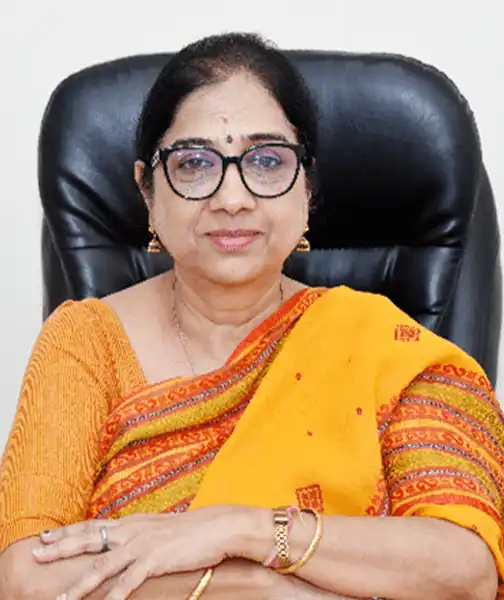
At Swami Rama Himalayan University (SRHU), our research vision is driven by innovation, societal relevance, and academic excellence. The Research and Development Cell (RDC) is dedicated to nurturing curiosity, promoting interdisciplinary collaboration, and enabling impactful discoveries that address real-world challenges.

Our vibrant research ecosystem is supported by advanced facilities, committed faculty, and motivated scholars working across healthcare, sciences, engineering, management, humanities, and emerging fields such as environmental sustainability and translational research. Through national and international partnerships, we continuously expand our knowledge horizons and align with global research standards.

The RDC facilitates research grants, ensures ethical practices, and strengthens capacity through workshops, training programs, and expert interactions. Our goal is to enhance scholarly output while contributing meaningfully to community development and national priorities.

As we progress, SRHU remains committed to fostering an inclusive, forward-looking research environment. I invite all stakeholders to join us in advancing knowledge that inspires and transforms society.
Faculty at RDC

Research Strengths and Accreditations at SRHU:

  • NABL Accreditation: SRHU is accredited by the National Accreditation Board for Testing and Calibration Laboratories (NABL), ensuring high standards in laboratory testing and research practices.
  • DSIR Recognition: Recognized by the Department of Scientific and Industrial Research (DSIR), enhancing the university’s ability to conduct cutting-edge scientific research and promote innovation.
  • IEC Approval: Institutional Ethics Committee (IEC) is established for ethical oversight of clinical and research studies, ensuring compliance with ethical guidelines and safeguarding participant rights.
  • CPCSEA Registration: Approved by the Committee for the Purpose of Control and Supervision of Experiments on Animals (CPCSEA), supporting ethical animal research practices in compliance with national regulations
  • Bedded Hospital Facility: Well-equipped 1200+ bed largest teaching hospital with ample beds, supporting extensive clinical research and providing a real-world platform for patient-centered studies.
  • High Patient Workload: Significant patient inflow in the hospital contributes to diverse clinical research opportunities and large-scale data generation for evidence-based studies.

Research and Promotion Policy

Through its Research Promotion Policy, the University aims to emerge as the core center of Education, Research, Innovation and Translation, taking the region towards Atrma Nirbhar Bharat. Aligned to the UGC, NMC and Science, Technology & Innovation Policy of India, SRHU continues to be a major contributor to urban and rural Education, Healthcare, Skilling, Plant Sciences, Environment and Social upliftment. SRHU is working to transform R&D activities into creating Centers of Excellence, Research Parks, Innovation Centers, Technology Business Incubators and Startups promoting collaboration and cooperation amongst national and international Institutions, Universities and Industries. Click Here

Research and Development Governance Structure

University Research Advisory Board (URAB):

SRHU has established the University Research Advisory Board (URAB) as the highest governing body within its three-tier system for Research and Development. URAB plays a pivotal role in guiding academic research, innovation, and interdisciplinary collaboration across departments.

It comprises internationally acclaimed scientists, researchers, and clinicians, including Dr. Neerja Bhatia, Padma Shri awardee, and was earlier headed by Late Dr. Manju Sharma, Padma Bhushan awardee and former Secretary of the Department of Biotechnology, Government of India. URAB connects the University with leading national and international researchers, fostering excellence in research and ensuring strategic guidance at the highest level.

Purpose of URAB:

The University Research Advisory Board (URAB) shall be responsible for:
  • Reviewing the University Research Promotion Policy including its vision & mission; and short-term, medium-term and long-term research objectives;
  • Advising, promoting, ensuring implementation and review of R & D Activities of the various schools of the University;
  • Contributing towards manpower generation i.e. RA; JRF; SRF etc. through various projects & policies of the Government of India and that of Uttarakhand state;
  • Assisting in proposal writing for individual and multi-centric proposals towards major funding, start-ups & its commercialization and guidance for development of Intellectual Property Rights along with the technology transfer of the University;
  • Assisting in proposal writing for individual and multi-centric proposals towards major funding, start-ups & its commercialization and guidance for development of Intellectual Property Rights along with the technology transfer of the University;
  • Enabling collaborations with leading regional, national, and international research teams and networks as a means of supporting large multi-center initiatives;
  • Providing oversight on research activities on new research ideas and promoting the faculty to foster those areas;
  • Providing guidance on important issues of University Research Committee/Institutional Research Committee for promotion of R & D in various schools of the University;
  • Providing guidance on efficient governance mechanism for research promotion that may ensure functional autonomy, transparency, accountability, adaptability by strengthening interlinkages to create a conducive research ecosystem.

University Research Committee (URC)

Swami Rama Himalayan University (SRHU) has established the University Research Committee (URC) as per UGC guidelines to oversee and promote research activities. The URC fosters interdisciplinary research, innovation, and academic excellence, guiding project approvals, research ethics, and policy implementation, while supporting faculty and students in advancing high-quality, impactful research. Click Here

Purpose of URC

  • To exercise general supervision over research work conducted within the University.
  • To consider all research-related matters, either on its own initiative or when referred by Faculties, Academic Units, and Constituent Colleges of the University.
  • To promote inter-faculty and inter-departmental research collaboration within the University.
  • To frame and implement guidelines for conducting and monitoring research, including:
    1. Ethical conduct of laboratory, animal, and clinical research.
    2. Procedures for submission and funding of research proposals.
    3. Reporting progress of research projects.
    4. Dissemination of research findings through publications and presentations.
    5. Submission of research budget to the Finance Committee.
    6. Monitoring research expenditures.
    7. Documentation of all research activities of the University.
  • To conduct an annual review of research activities across Departments, Faculties, Academic Units, and Constituent Colleges.
  • To facilitate collaborative and multi-disciplinary research with national and international institutions, government and non-government organizations, universities, and agencies.
  • To consider any other matter referred to it or deemed important for the research development of the University.

Institute’s Research Committees

The Institute Research Committee (IRC) at Swami Rama Himalayan University (SRHU) plays a pivotal role in fostering high-quality research. It establishes guidelines for conducting and monitoring research by faculty and students, ensuring scientific validity and compliance with ethical and legal standards. The IRC reviews and approves research proposals, patents, dissertations, and publications, facilitating intramural and extramural funding. It promotes collaborative, multidisciplinary research and organizes workshops and conferences. Additionally, the IRC monitors research progress, resolves disputes, recommends faculty incentives, and upholds research integrity, ensuring alignment with national and international standards for scientific advancement.

Purpose of IRC

  • Approve books, patents, research proposals, research papers, dissertations, and case studies submitted by students and faculty.
  • Provide competent and timely review of all submissions to ensure scientific validity per national and international standards, and compliance with applicable laws.
  • Review and evaluate research proposals for onward submission to University/Institutional Ethical or Animal Ethical Committees, if required.
  • Evaluate research proposals for intramural/extramural funding and submit to University Research Committee after ethical approvals.
  • Send necessary data to the university for faculty incentives.
  • Monitor research progress, outputs, and impact.
  • Suggest strategies to improve research proposals lacking scientific or ethical standards and provide researcher feedback.
  • Refuse approval of proposals not meeting scientific/ethical standards with 60% member weightage.
  • Facilitate collaborative, multidisciplinary research, ensuring integrity, detecting conflicts of interest, and reporting misconduct.
  • Assist in developing a research community responsive to local healthcare needs.
  • Assess faculty/postgraduate publications for authorship guidelines, conflicts of interest, authenticity of data, and recommend cash incentives.
  • Organize research workshops, conferences, and knowledge-sharing events.
  • Review scientific validity of proposals across medical, biomedical, social, education, behavioral fields, clinical trials, and interdisciplinary areas.
  • Scrutinize scientific validity and institutional representation in publications and presentations at all levels.
  • Ensure appropriate authorship and conflict of interest declarations for publications and conference presentations.
  • Recommend cash awards and incentives for research projects/publications to the University Research Committee.
  • Oversee and guide faculty in research publication processes.
  • Supervise and monitor research work in various academic departments.
  • Resolve disputes and disagreements related to research.
  • Examine progress report presentations of research scholars and provide comments.
  • Preferably hold meetings fortnightly, but mandatorily at least once a month.

Research facility/ Center of Excellence

Skill Simulation Lab
S. No Name Role
1Dr. Rajesh SharmaLeader
2Dr. Ashok Kumar DeorariMember
3Dr. Sanchita PughazandiMember
4Dr. Kamli PrakashMember
S. No Name Role
1Dr. Pramod KumarLeader
2Dr. Gaurav SharmaMember
3Dr. Deepak SrivastavMember
4Dr. Vibhor SharmaMember
5Dr. Amupama MishraMember
S. No Name Role
1Dr. Gaurav KumarLeader
2Dr. Vijay KumarMember
3Dr. Sanjay GuptaMember
4Dr. Akhilesh KumarMember
S. No Name Role
1Dr. Geeta BhandariLeader
2Dr. Purandhi RoopmaniMember
3Dr. Archana DhasmanaMember
4Dr. Samiksha JoshiMember
S. No Name Role
1Dr. Vivek KumarLeader
2Dr. Vikash JadhonMember
3Dr. Sanjay GuptaMember
4Dr. Nupur JoshiMember
S. No Name Role
1Dr. Nikku YadavLeader
2Dr. ManishaMember
3Dr. ArpitMember
4Dr. AavartiMember
5Dr. Kunal GururaniMember
6Dr. Yogesh PreetMember
S. No Name Role
1Dr. Garima MittalLeader
2Dr. Kiran BhattMember
3Dr. Smita ChandraMember
4Dr. Barnali KakatiMember
5Dr. Mansi KalaMember
6Dr. Meena HarshMember
7Dr. MayankMember

About Patents Cell

Intellectual Property (IP) Advisory Committee

The Intellectual Property (IP) Advisory Committee of Swami Rama Himalayan University (SRHU) has been constituted in accordance with the University’s IP Policy to guide and oversee matters related to intellectual property.

Purpose

The Committee serves as an institutional body to promote innovation, safeguard intellectual property rights, and provide strategic direction for the effective implementation of the University’s IP Policy. It ensures that faculty, researchers, and students receive proper guidance in protecting and managing their intellectual creations.

Functions

  • To advise on all matters related to intellectual property arising from research and innovation at SRHU.
  • To oversee implementation of the University’s IP Policy in alignment with national guidelines.
  • To review and recommend measures for patent filing, copyrights, trademarks, and technology transfer.
  • To facilitate collaboration with industry, government, and external experts for IP-related matters.
  • To conduct meetings at least twice a year for reviewing proposals, policies, and progress.
  • To ensure transparent documentation and timely communication of decisions through the Registrar.

Status of IPRs of the University

S.No. Name of IPR Patent Copyright Industrial Design Total
1 No. of IPR Filed 123 46 41 210
2 No. of IPR Published 121 34 29 184
3 No. of IPR Granted 10 NA NA 10

About Publications

   Admissions Form         

Admission Open For 2025

×
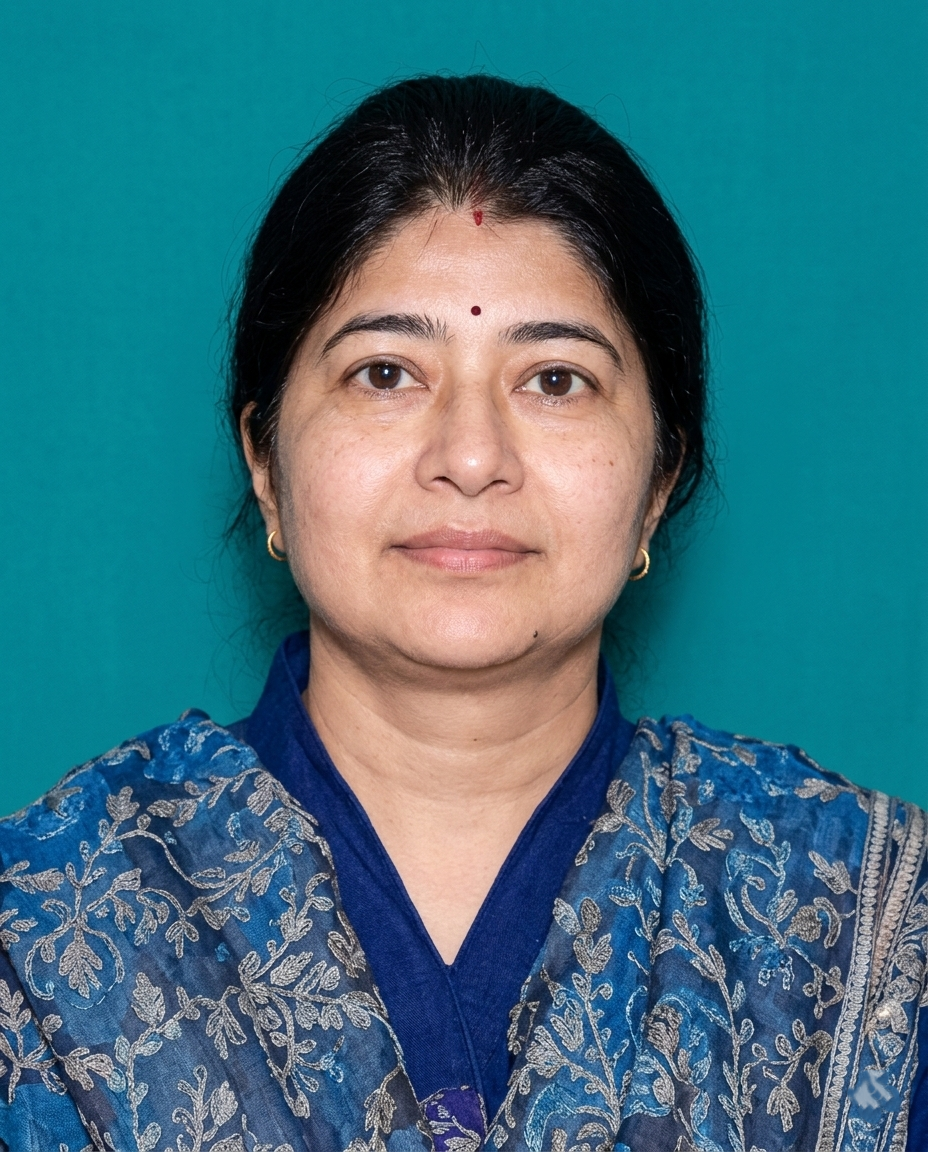
Director Research
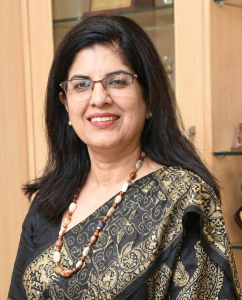
Dr Bindu Dey

SRHU
Research & Development Cell
(Former Secretary, Technology Development Board & Retd Adviser, Department of Biotechnology, Government of India)

Email: director.research@srhu.edu.in

Profile: Dr Bindu Dey has 30 years of experience working with the Government of India, focusing on Research and Development, IP, licensing, Technology Development & Commercialization. With a background in biotechnology, she specialises in clinical trials of early, middle, & late-stage vaccines/diagnostics/devices. Her expertise extends to Infectious Disease Biology and Chronic Disease Biology. Dr Dey has experience in different investment models, creating start-ups, and establishing partnerships between industry and academia. As Secretary TDB, she contributed to the "Atmanirbhar Bharat" initiative and "Make-in-India" activities, focusing on solutions to social problems through innovation and local entrepreneurship. At SRHU, she is involved in establishing Centres of Excellence in Neuroscience, Antimicrobial Resistance, Regeneration Medicine, Holistic Health, Cancer Biomarkers, Food Sciences and Advanced Tissue Culture through in-house R&D and partnerships with national and international organisations

Qualification: PhD in Zoology (University of Delhi) M.Phil (University of Delhi) M. Sc Zoology (University of Delhi) B.Sc. Hons Zoology (University of Delhi)

Publications: 50; Policy Documents: 15

Assistant Professor
Dr Purandhi Roopmani

SRHU
Research & Development Cell

Email: purandhiroopmani@srhu.edu.in

Profile: Dr Purandhi Roopmani is a skilled researcher specialising in Drug Delivery Systems and Tissue Engineering, with expertise in biomaterial fabrication and evaluation. She holds a PhD in drug delivery systems from SASTRA Deemed University, Thanjavur, and obtained an Indian Patent on “Development of Dual Drug-Eluting Stent for the Treatment of Coronary Artery Diseases” in 2023. Her post-doctoral work at IIT Hyderabad focused on tissue-engineered scaffolds for burn wounds, bone regeneration, and periodontal disease. She also researched regenerative therapies at HB Multi-Speciality Hospital, Rudrapur. She is an Assistant Professor at the Himalayan School of Bioscience, SRHU, Dehradun, and has 18 impactful publications. She has a 4 years of research and teaching experience. She also received a Founder Chancellor’s Award for Best Thesis in Science (2019) at SASTRA Deemed University, Thanjavur.

Qualification: Ph.D. (Tissue engineering), M.Sc. (Biochemistry), B.Sc. (Biotechnology)

Research Experience: 2.2 years (Post-doctoral Fellow)

Industrial Experience: 4 months (post Ph.D.)

Publications: 18, Patent: 1 Indian patent granted

Award: Founder Chancellor’s Award for Best Thesis in Science

Assistant Registrar

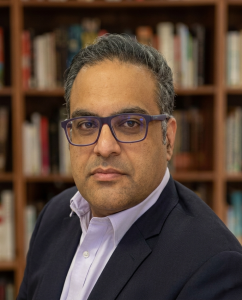
Dr Ayushman Srivastav

Research and Development Cell

Email: ayushmansrivastav@srhu.edu.in

Profile: Dr. Ayushman Srivastav brings 20 years of rich experience spanning both academia and industry. He obtained his Ph.D. in Mechanical Engineering at UPES Dehradun, with a research focus on Heat transfer using submerged pipe jet array systems. Throughout his career, he has held key leadership roles, including Head of Department, IQAC Coordinator, and Quality Assurance Head. He has successfully overseen NBA, NAAC, and ISO 9001:2015 accreditation processes and has made significant contributions to curriculum development and institutional rankings. His industry experience includes impactful roles at Samsung India and Voltas Ltd. (a Tata Group company), where he implemented lean manufacturing techniques and quality systems. An AICTE-certified Universal Human Values (UHV) trainer and a Six Sigma Green Belt professional, Dr. Srivastav has also published extensively in high-impact journals. His unique combination of academic excellence, administrative expertise, positions him as a dynamic contributor to institutional growth

Qualifications: PhD Mechanical Engineering, M.Tech-Thermal Engineering, B.Tech- Mechanical Engineering

Publications: 15; Book Chapters: 03

Prof Rakesh Bhatnagar 

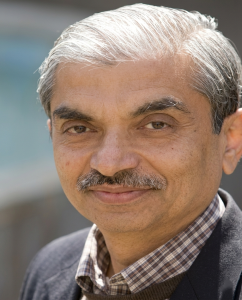
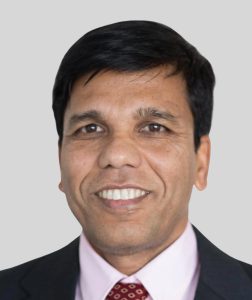
Prof Rakesh Bhatnagar PhD FNA, FASc, FNASc is the Chairman of the University Research Advisory Board (URAB, SRHU). Currently, he is the National Science Chair, SERB, Department of Science & Technology, Ministry of Science & Technology, GoI. Dr Bhatnagar has served as the Dean of the School of Biotechnology at Jawaharlal Nehru University, the Vice Chancellor of Kumaun University, the Director of the Academic staff college at JNU, and the Director of the Advanced Instrumentation Research Facility at JNU. Dr. Bhatnagar also served as the 27th Vice Chancellor of Banaras Hindu University, Varanasi. He is an elected fellow of several major Indian science academies and recipient of many honors, including the 2016 President of India Visitor's Award for Innovation. He helped develop a genetically engineered vaccine against anthrax and a DNA vaccine against Rabies. His areas of interest are Molecular Biology of Infectious Diseases, Recombinant Vaccine Development, and Programmed Cell Death in Prokaryotes.

Dr V.M. Katoch

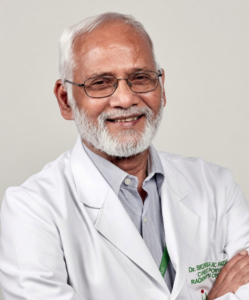
Dr V.M. Katoch MBBS MD is the Co-chairman of the URAB SRHU. Currently, he is NASI-ICMR Chair on Public Health Research at Rajasthan University of Health Sciences, Jaipur. Dr Katoch has been the Director General, Indian Council of Medical Research. and Secretary to the Department of Health Research, Ministry of Health & Family Welfare. He joined ICMR at JALMA Agra in 1978 and was the Director JALMA for seven years. His research focus has been on Leprosy, TB and other Mycobacterial diseases. He developed methods for rapid diagnosis of TB, leprosy using immunological and molecular tools, DNA chips; DNA fingerprinting methods etc. He was instrumental in the establishment of multi-disciplinary research units (MRUs) in government medical colleges, Model Rural Health Research units, Virology Research Laboratories in states and medical colleges, Scheme for Human Resources for Health Research focus on medical colleges and Grant in Aid scheme for projects focused on intersectoral collaboration and coordination.

Prof Subhra Chakraborty

Prof Subhra Chakraborty PhD, FNA, FASc, FNASc, FNAAS is a member of URAB SRHU. Currently a Distinguished Professor, she has been the Director of National Institute of Plant Genome Research, New Delhi, DBT, GoI. She obtained her Ph.D in Plant Molecular Biology from JNU. After a brief career as Research Scientist at the Centre for Plant Molecular Biology, JNU, she joined NIPGR as the founding faculty and continued her research on plant genomics. She worked as Visiting Scientist at the Yale University, USA. Trained as a molecular biologist, she worked on protein science; and was instrumental in establishing Plant Proteomics and Translational Genomics research in India. Her research is focused in three main areas: Nutritional Genomics, Plant Immunity & Stress Genomics, and delayed fruit softening. Her lab cloned a seed albumin gene AmA1 from Amaranthus hypochondriacus and developed protein-rich transgenic potato. Currently, our laboratory is developing transgenic cereals using this novel gene for protein quality improvement.
Dr Madhu Dixit

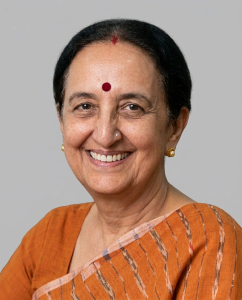
Dr Madhu Dixit PhD is a member of URAB SRHU. She is Ayush Distinguished Scientist Chair, and JC Bose Fellow Council of Scientific and Industrial Research-Central Drug Research Institute, Lucknow (CSIR-CDRI). With a PhD from CSIR-CDRI/Kanpur University, she worked as a scientist and rose to become the Director of CSIR-CDRI from 2015 to 2017. She made significant contributions on Molecular Pharmacology with special focus on redox/NO biology, Cardiovascular Pharmacology, Neutrophil Biology, Redox Biology and Neurodegeneration. Dr Dikshit has impacted the area of neutrophil biology by enhancing understanding that how nitric oxide modulates neutrophil free radical generation, NETosis, chemotaxis, phagocytosis, apoptosis and their differentiation. She led the team of anti-thrombotic drug discovery that led to two anti-thrombotic molecules advancing to pre-clinical/clinical stage. One of the molecules has received DCGI permission for Phase I clinical trial. She has systematically investigated the enzymatic synthesis of NO during neutrophil maturation and role of redox sensitive tetrahydrobiopterin and L-arginine.

Dr Narendra Kumar Arora

Dr Narendra Kumar Arora, MD, MSc is a member of URAB SRHU. He is the Executive Director of The INCLEN Trust International since 2005. He is MD in Pediatrics from AIIMS, New Delhi and MSc in Clinical Epidemiology and Bio-Statistics from the University of Newcastle, Australia. He is a distinguished Indian paediatrician, clinical epidemiologist, and global health expert; and a pioneering force in shaping immunization policy and practice in India and internationally. Dr Arora played a vital role in India's immunization initiatives, including the Pulse Polio Immunization Programme; led national and international studies on vaccine safety, cold chain infrastructure, injection practices, and adverse event following immunization (AEFI) surveillance. He chaired the COVID-19 Working Group of India’s National Technical Advisory Group on Immunization (NTAGI) and has overseen crucial activities related to vaccines, diagnostics, and therapeutics during the pandemic. He has held prominent advisory roles, including Vice-Chair of the WHO Strategic Advisory Group of Experts (SAGE) on Immunization.

Prof Neerja Bhatla

Prof Neerja Bhatla MBBS MD is a member of the URAB SRHU. She has been Professor and Head, Department of Obstetrics & Gynaecology and WHO Collaborating Centre at AIIMS, New Delhi, and also serves as Head of Gynaecologic Oncology at the National Cancer Institute (NCI), Jhajjar, AIIMS. She was the Shobha Seth Wenger Distinguished Professor of Gynaecologic Oncology at AIIMS from 2021 to 2023. With a special focus on gynaecologic and preventive oncology, Prof. Bhatla has led extensive research over the past two decades on cervical cancer prevention in low-resource settings. Her work includes studies on HPV epidemiology, affordable HPV tests and vaccines, and innovative strategies for cervical cancer elimination. Her contributions have significantly advanced women's healthcare in India. In recognition of her excellence, she has been awarded the Padma Shri, one of India’s highest civilian honors, and elected as a fellow of the Indian National Science Academy (INSA).

Prof Amit Mehdiratta

Prof Amit Mehdiratta MBBS D.Phil is a member of URAB SRHU. He is a qualified medical doctor with an MBBS from Dr. MGR Medical University, Chennai and also holds a Master’s degree in Medical Technology from the IIT Kharagpur. He earned his D.Phil. in Engineering Science from the University of Oxford, UK. Over the past eleven years, he has been deeply involved in interdisciplinary research spanning clinical radiology, biomedical imaging, and neuro-assistive technology. He served as a post-doctoral research fellow at the Institute of Biomedical Engineering, University of Oxford, where he focused on developing advanced algorithms for the quantitative estimation of haemodynamics and the analysis of perfusion imaging using Magnetic Resonance Imaging. Currently, he is an Associate Professor in Biomedical Engineering at IIT Delhi, where he continues to contribute to cutting-edge research at the intersection of medicine and engineering. His work holds promise for advancing diagnostic imaging and neuro-assistive healthcare technologies in India and globally.

Prof Srinivas Kiran Ambatipudi

Prof Srinivas Kiran Ambatipudi PhD is a member of URAB SRHU. He is currently a Professor at the Indian Institute of Technology Roorkee. He holds a Master’s degree in Applied Genetics from the University of Birmingham, UK, and a Ph.D. in Biological Sciences from Macquarie University, Sydney, Australia. His research interests include applying proteomics to understand the pathophysiology of bovine subclinical and clinical mastitis; exploring the use of milk fat globules as probiotic delivery vehicles and their interaction with the gut microbiome; employing metaproteomic strategies to investigate the role of probiotics in intestinal health; and utilizing infrared technology, veterinary science, and artificial intelligence/machine learning (AI/ML) for the early diagnosis of subclinical mastitis. He is also actively involved in the application of AI/ML in smart animal farming. Additionally, his work seeks to elucidate the role of estrogen in the development of chemotherapeutic resistance and to explore the impact of the microbiome on breast cancer progression and metastasis.

Prof Sadhana Srivastava

Prof Sadhana Srivastava PhD is a member of URAB SRHU. She has been a senior scientist at the ICMR and played a key role in promoting an intellectual property (IP) culture among researchers. Her efforts focus on identifying and protecting innovations with commercialization potential, thereby translating scientific research into impactful healthcare products and technologies. She has compiled and published the ICMR Technologies Commercialization portfolio to facilitate industry collaboration and was instrumental in formulating the Guidelines on Contract Research, Consultancy, and Technology Transfer Policy for ICMR. Prof. Srivastava also contributed significantly to the establishment of India’s regulatory authority for medical devices, helping shape the national framework for device approval and safety. Internationally, she represented India in the Inter-Governmental Working Group (IGWG) on Intellectual Property and Public Health at the World Health Organization (WHO) in Geneva, under the leadership of the Health Secretary, Government of India, reinforcing India’s voice on global public health and IP issues.

Dr Arvinda Saklani

Dr Arvinda Saklani, PhD is a member of the URAB SRHU. He is currently the Vice President of Agribiotech, Sami-Sabinsa Group and a member of the ‘Nutra Task Force’ constituted under the Chairmanship of the Principal Scientific Advisor to the Government of India by the Council of Scientific & Industrial Research (CSIR). He has over 38 years of R&D experience with Industry and government organisations. Expert on Indian Biodiversity / regulations, medicinal plants, ethnomedicines, involved actively in bioresources development, conservation of high value medicinal trees, cultivation of medicinal plants, identifying promising medicinal plants for nutraceutical development. Working closely with government authorities, Councils and Associations, leading Institutions to strengthen Nutraceutical / herbal sector.

Dr Shashi Bala Singh

Dr Shashi Bala Singh, PhD is a member of the URAB SRHU. She is a former director, NIPER, Hyderabad. She also served as distinguished scientist and Director General (life sciences) at the Defence Research and Development Organization (DRDO) Headquarters in Delhi. Prior to DGLS she was Scientist ‘H’/Outstanding Scientist and Director of Defence Institute of Physiology and Allied Sciences (DIPAS), Delhi since 2010. A person with strong will, she has the distinction of serving as the Director of Defence Institute of High-Altitude Research (DIHAR), Leh, from 2007 to 2010. She is an alumnus of All India Institute of Medical Sciences (AIIMS) where she obtained her Ph.D. degree in Human Physiology in 1986 and started her career in DRDO at DIPAS, Delhi in 1990. She was awarded D.Sc. from Bharathiar University in 2014. Dr. Shashi Bala Singh has worked extensively in the area of High-Altitude physiology and has made remarkable contributions in improving the quality of life of the soldiers deployed at high altitudes.

Dr Abhijit Majumdar 

Dr Abhijit Majumdar PhD is a member of the URAB SRHU. At present, he is an Assistant Professor at Department of Chemical Engineering, IIT Bombay and Wellcome Trust-DBT India Alliance Early Career Fellow. He is PhD from the Department of Chemical Engineering, IIT Kanpur in 2010. His doctoral research was on adhesion and soft mechanics. In 2010, he moved to inStem Bangalore and then in 2012 to Harvard Medical School Boston for his Post-Doctoral research on cell mechanics and microfluidic devices respectively. Abhijit has published in many internationally reputed journals including Science and received national and international awards for his research including Peeble Travel Grant Award and Alan Gent runners up award from Adhesion Society USA, and TR35 Young Investigators award by Technology Review MIT, USA. His present research interests include stem cell, cell mechanics and microfluidics. Abhijit also has keen interest in spreading scientific awareness among masses, particularly students.

Dr Pradip Majumdar

Dr Pradip Majumdar Ph.D. is a member of the URAB SRHU. He is a translational scientist and an entrepreneur. He has developed many assets in oncology therapeutics. Currently, Pradip is co-Founder and Chief Scientific Officer of Praesidia Biotherapeutics, a Boston based biotech and is developing novel molecules for brain tumors and other brain diseases. Pradip has also co-founded CanFinis, a startup for discovery and development of third generation CAR-Ts. Before Praesidia he co-founded Mitra Biotech, a cancer theranostic company, and guided the company’s scientific platform for individualized cancer medicine from inception to clinical validation. Pradip is an advisor and member of BOD of Aryastha Life Sciences and Shilps Sciences and scientific advisor of Zumutor Biologics

Dr Naveen Kumar Navani

Dr Naveen Kumar Navani, Professor, Department of Biotechnology, Indian Institute of Technology, Roorkee, is a member of URC, SRHU. He has obtained his Ph.D. from Department of Biotechnology, Panjab University, Chandigarh. He did his post-Doctoral work at McMaster University, Hamilton, (Canada). He is a recipient of Young Innovator Award and Fellow of National Academy of Dairy Science and has worked at Max Planck Institute for Biochemistry. He worked as a scientist at National Bureau of Animal Genetic Resources (ICAR), Karnal. His area of interest includes Molecular Biology, Synthetic Biology, Gene regulation, Microbial Biotechnology and Nanobiotechnology, Aptamers and MEMS nanodevices in Diagnostics, Probiotic recombinant enzymes, NanoBiotic Materials, Microbes' mediated bioremediation of polluted environments., Isolation and characterization of microbes from extreme and polluted environments.

Dr Manisha Bisht

Dr Manisha Bisht, MBBS, MD is a Professor in the Department of Pharmacology at AIIMS Rishikesh is a member of URC, SRHU. Dr. Bisht has over 15 years of experience, Dr. Bisht specializes in pharmaco-epidemiology, pharmacovigilance, antibiotic stewardship, medical education, and palliative care. She has significantly contributed to medical research and education through her expertise in drug safety monitoring, promoting rational drug use, and advancing palliative care practices. Dr. Bisht has authored and co-authored more than 70 peer-reviewed research articles in reputed journals, reflecting her active involvement in clinical research and academic scholarship. As a member of the URC, she plays a key role in guiding research activities, promoting ethical research practices, and fostering interdisciplinary collaboration to enhance the university’s research ecosystem and overall academic excellence.

International Endowed Chair Professor

Prof Rakesh Kumar

Prof Rakesh Kumar is the Founder and President of the Breast Cancer in Young Women Foundation (USA), dedicated to vaddressing the distinct issues affecting young women with breast cancer. He also serves as the International Endowed Chair Professor at the Cancer Research Institute of the Himalayan Institute of Medical Sciences. Additionally, he holds adjunct professorships at Rutgers New Jersey Medical School and Virginia Commonwealth University.

Dr Kumar earned his Ph.D. from the All India Institute of Medical Sciences in 1984 and began his research career at Memorial Sloan Kettering Cancer Center in January 1986. From 1988 to 2017, he held various academic and leadership positions —including faculty member, tenured professor, distinguished professor, endowed chair, department chair, and research leader—at esteemed institutions such as Memorial Sloan Kettering Cancer Center in New York and the University of Texas MD Anderson Cancer Center in Houston. From 2017 to 2022, he served as the National Chair for Cancer Research for the Government of India and as a distinguished professor, continuing his innovative work in breast cancer research.

With nearly 40 years of research and professional experience, Dr. Kumar has made conceptual contributions to the field of cancer research (h-index 108, citations >50,000). He has authored over 325 peer-reviewed publications, edited or co-edited nine books, and delivered 290 invited lectures worldwide. His work has been featured on the covers of 18 major cancer journals and has been highlighted in institutional research reports of the MD Anderson Cancer Center.

A passionate educator and mentor, Dr. Kumar has guided 67 trainees throughout his career. He serves on the editorial boards of multiple leading cancer journals and has served on the editorial boards of 21 top cancer journals. His global reputation is further demonstrated by his participation in about 100 peer-review panels for cancer research funding in the US and internationally over the past 28 years.

Dr. Kumar's innovative research has earned him numerous prestigious honors, including the Hinkle Society Faculty Award at Penn State University (1994), the Dalla/Fort Worth Living Legend Faculty Achievement Award in Basic Sciences (2004), the Ranbaxy Research Award (2006), and the Lifetime Achievement Award from the American Association of Indian Scientists in Cancer Research (2013), among others. Dr. Kumar's pioneering research continues to have a profound influence on the fields of oncology and breast cancer, opening up new opportunities for biomedical scientists and trainees worldwide.