
M.Sc. Epidemiology
March 31, 2025 2026-03-24 10:44M.Sc. Epidemiology
M.Sc. Epidemiology
Programme Level
Postgraduate
Duration
2 Years | 4 Semesters
M.Sc. Epidemiology
Programme Level
Postgraduate
Duration
2 Years | 4 Semesters
Overview
An MSc in Epidemiology is a 2-year postgraduate program designed to equip graduates with advanced skills in disease surveillance, biostatistics, research methods, and public health policy, highly relevant to India's health challenges like NCDs and rural disparities.
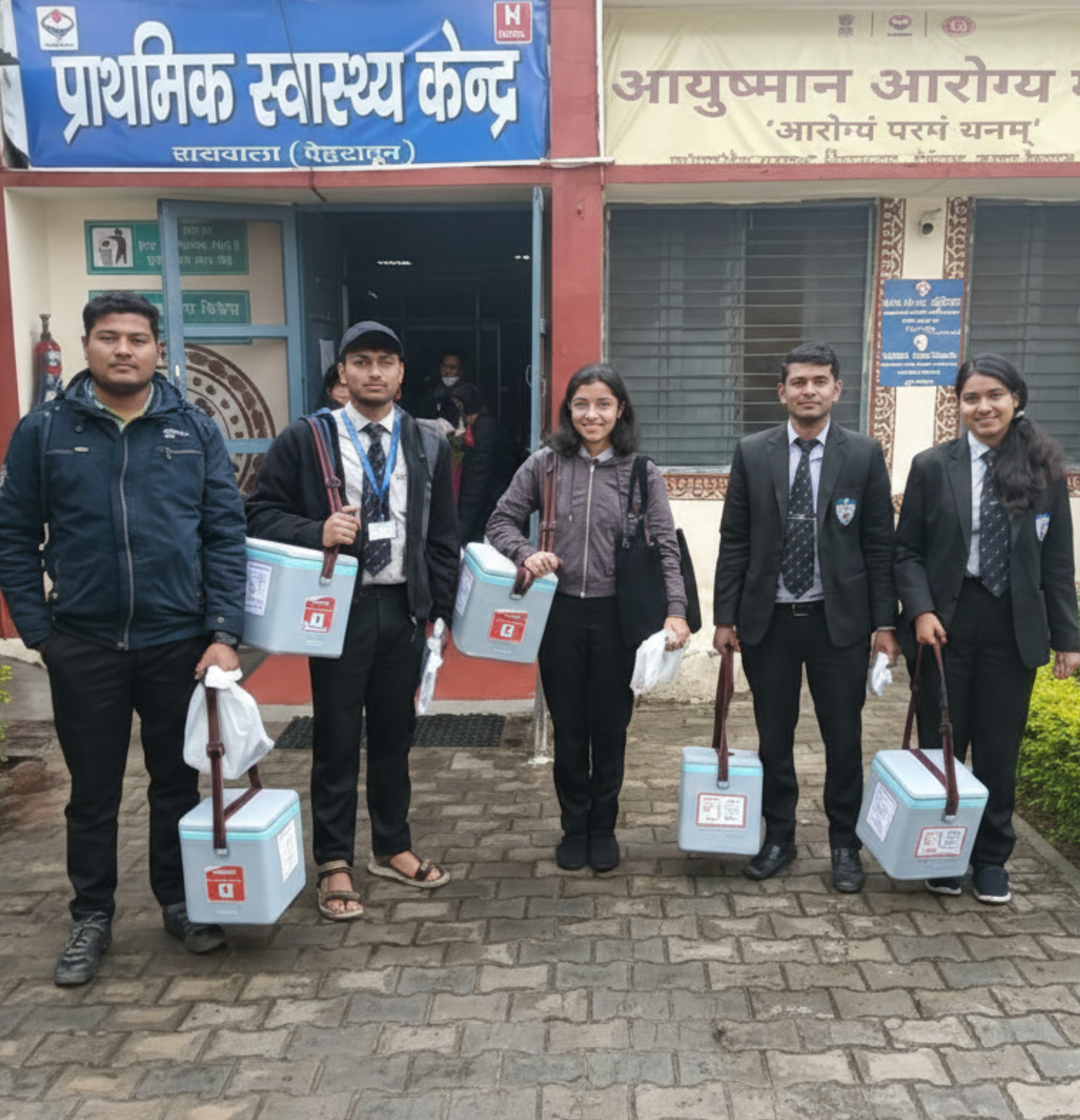
The curriculum covers epidemiological principles, outbreak investigation, data analysis using tools like SPSS/Epi Info, and surveillance systems aligned with national programs such as IDSP. It emphasizes practical training through projects, internships, and experiential learning by visiting various nationally reputed public health Institutes like NIHFW, ICMR, NCDC New Delhi, and PGI Chandigarh etc.
Students gain proficiency in disease surveillance, monitoring, outbreak investigations, ethical research, data handling, statistical inference, and analyzing socio-environmental health factors etc. Postgraduates of the programme will be equipped for diverse careers across government health systems, research institutes, global health agencies, NGOs, academia, and the pharmaceutical/health analytics industry. The programme also provides a strong foundation for doctoral studies and advanced research careers in public and global health. A key advantage is its deeper analytical and research focus compared to a general MPH degree.

Employability
High demand in India's expanding health sector, with roles like:
• District/ State Epidemiologist
• Epidemiology Data Analyst / Health Data Scientist
• Research Assistant /Programme Assistant
• Clinical Data Manager/ Coordinator
• Biostatistician (Junior / Associate level)
• Monitoring & Evaluation (M&E)(Junior / Associate level)
• Medical Writer / Scientific Writer / Health Analyst
• Faculty / Trainer
Higher Studies Opportunities
Graduates can pursue:
• PhD in Epidemiology / Public Health
• PhD in Biostatistics / Global Health
• International/ National fellowships and research programmes
Advantage
MSc Epidemiology offers superior technical depth in research methods and biostatistics compared to the broader MPH, providing a sharper edge for specialized analytical roles in India's health sector.
• MSc Epidemiology excels in advanced study designs, inferential statistics, and data management (e.g., SPSS/Epi Info), enabling precise disease causation analysis and manuscript/ grant development.
• Graduates master surveillance systems (IDSP integration) and outbreak response, with skills to interpret health information systems data.
• Students learn how to protect the rights and safety of research participants by following ICMR ethical guidelines and understanding how social, environmental and policy factors affect health.
• Strong training in planning and evaluating disease surveillance and outbreak investigations prepares graduates for advanced roles in public health and research.
Eligibility criteria
Applicants with graduation in Bio- stream including Pharmacy, Physiotherapy, Nursing, Ayurveda, Yoga, Unnani, Siddha, Homeopathy, Dentistry, MBBS, Veterinary Sciences, Basic Sciences(Botany, Zoology, Chemistry) and Biological Sciences(Microbiology, Biochemistry, and Biotechnology)
Fee
M.Sc Epidemiology Fee 2026
| Programmes | Duration (YR) | Fee Payable | I Year/Sem Fee | II Year/Sem Onwards |
|---|---|---|---|---|
| M.Sc. Epidemiology | 2 | Half Yearly | 127640 | 60000 |
Alumni


Our Gallery


Up to 100% Merit Scholarship
Merit-Based Support
Merit-cum-Means Scholarship
Special Scholarship
Free-ship for Orphans
Legacy & Support Benefits
SRHU University
Your Future Begins Here