Published on: March 21, 2026
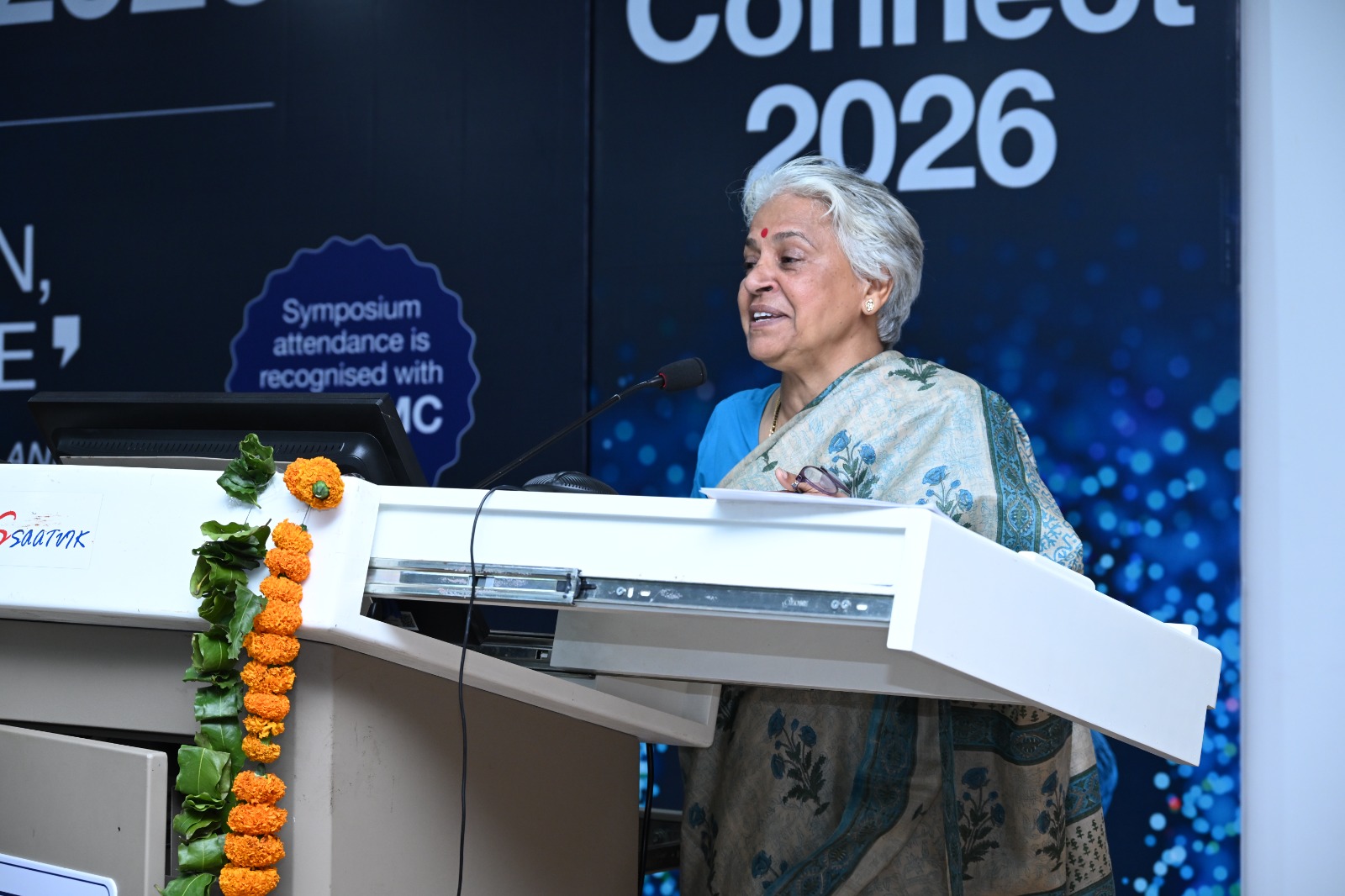
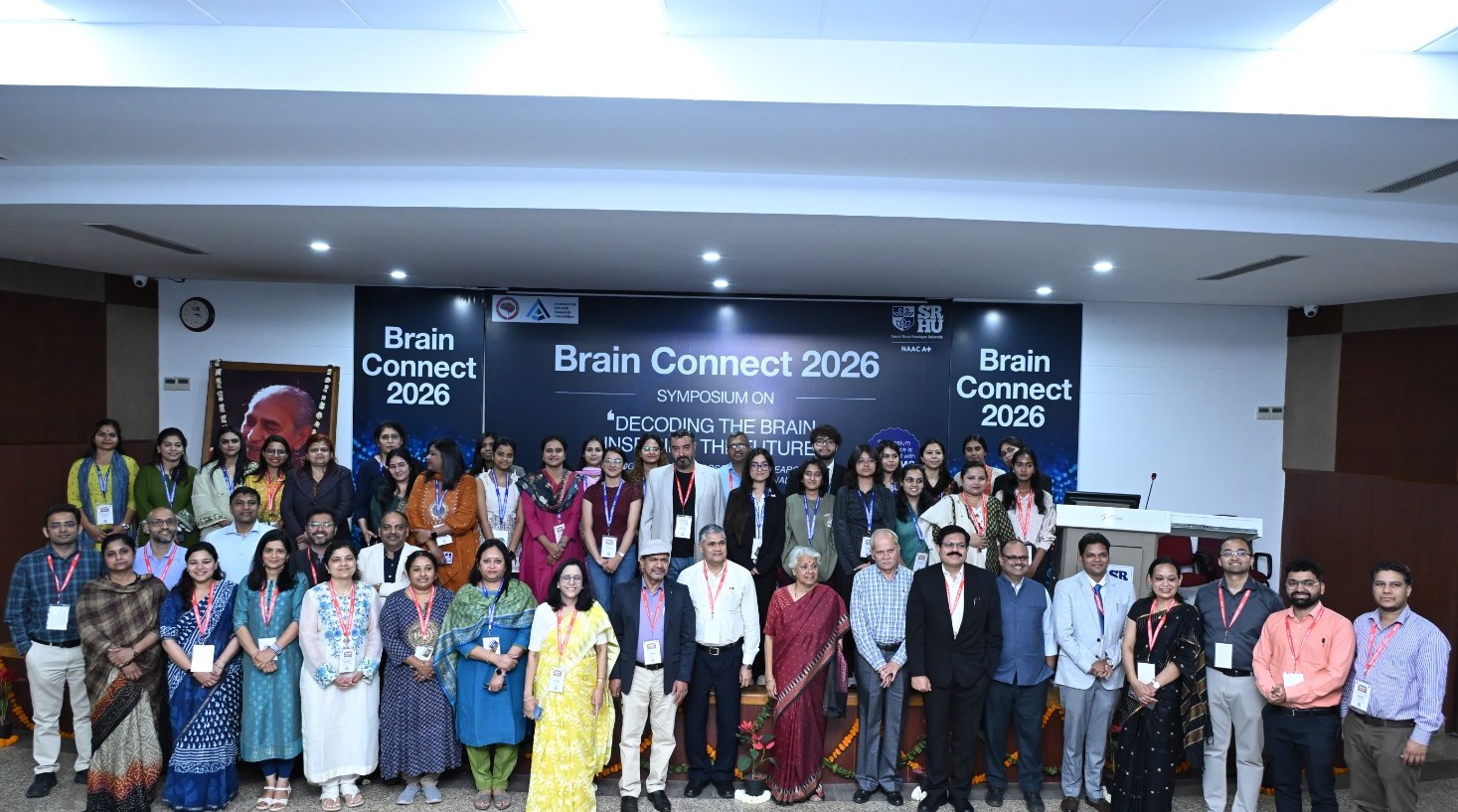
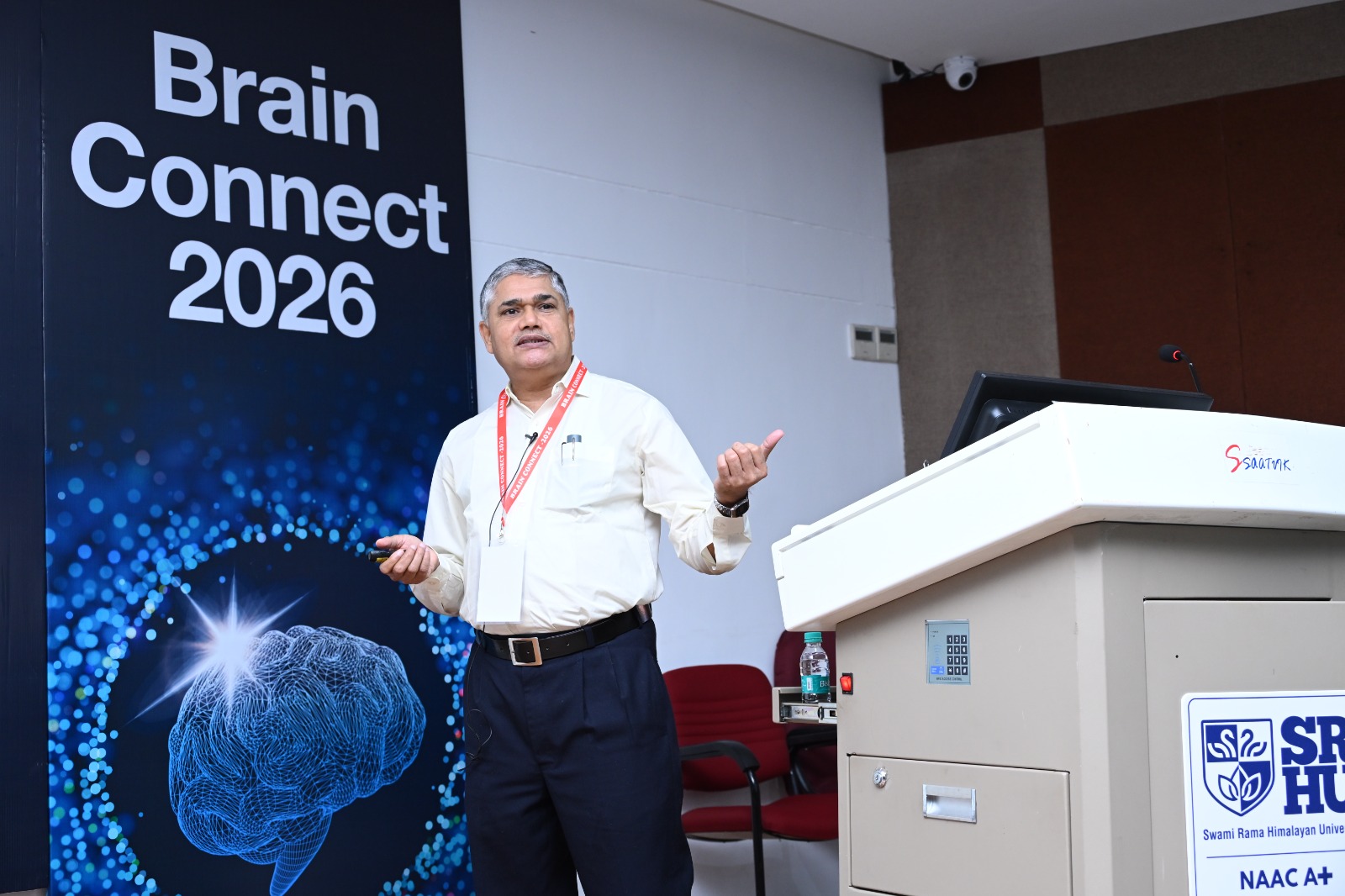
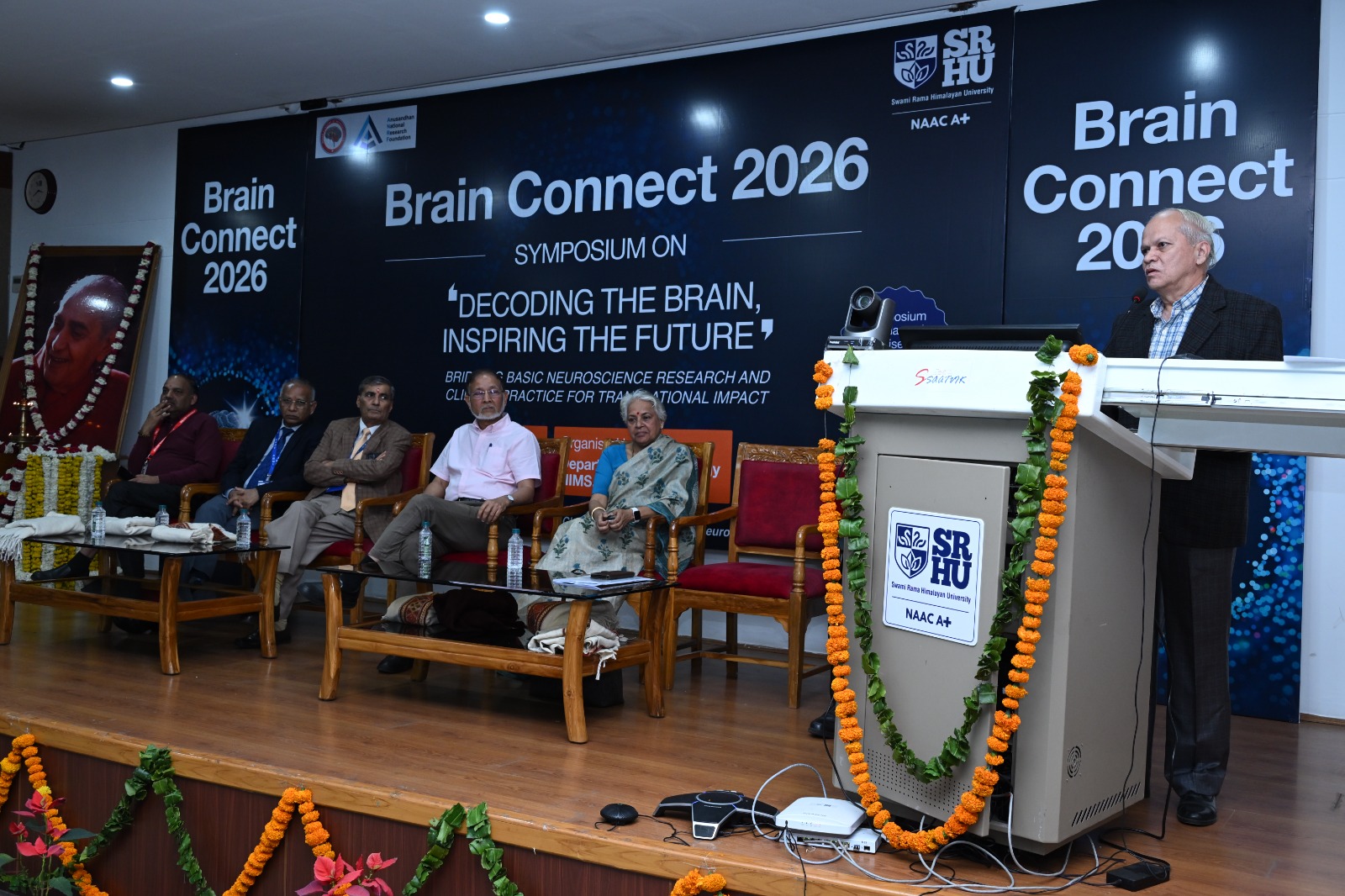
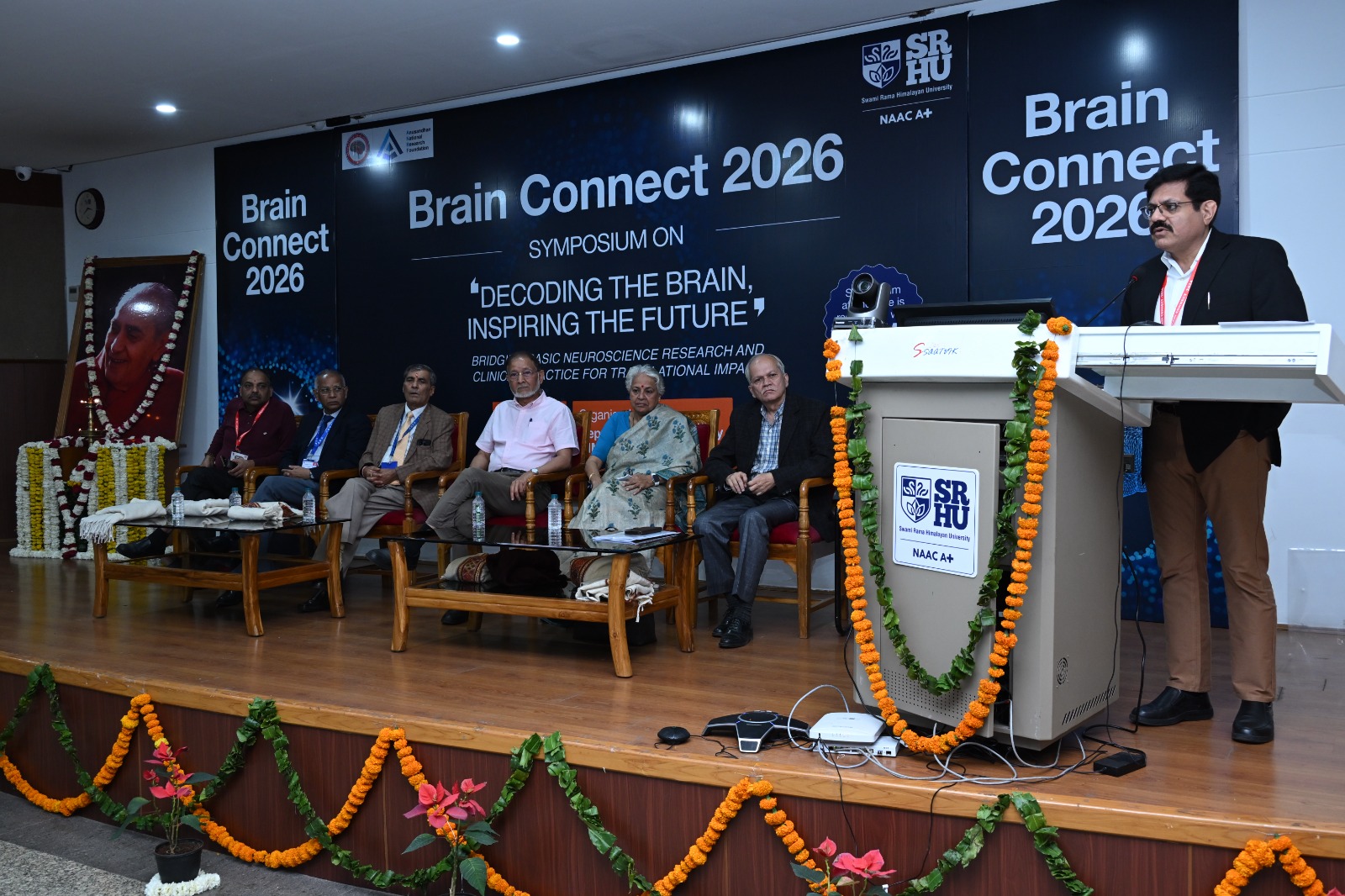
Brain Connect 2026, a national neuroscience symposium hosted at Swami Rama Himalayan University (SRHU), Dehradun, marks a groundbreaking, first-of-its-kind academic effort in Uttarakhand aimed at uniting clinicians and basic neuroscientists for meaningful, solution-driven translational dialogue. Held from March 19–21, 2026, during International Brain Awareness Week, the event underscores the increasing importance of brain health and neuroscience in modern healthcare, especially in regions where such structured academic platforms are limited.
This initiative arose from the sustained academic vision of the Department of Neurology at SRHU, led by Dr Kanchan Bisht and Dr Kaushik Pramod Sharma, Associate Professors and Scientists. They conceived Brain Connect as a targeted effort to bridge the gap between laboratory discoveries and patient care. Having experience in international research settings, they chose to return to India and focus their efforts in Uttarakhand, aiming to develop neuroscience education and research in the Himalayan region. As they engaged with region-specific research questions through a translational neuroscience approach, they identified the need for a formal platform to foster ongoing dialogues among researchers, clinicians, and students.
Working within a closely interacting clinical ecosystem at SRHU, across neurology, neurosurgery, psychiatry, psychology, physiotherapy, and related disciplines, provided a valuable foundation for translational thinking and highlighted the potential for deeper integration between research and clinical practice. With a strong institutional backing from Dr Deepak Goel, Professor and Head of Neurology, this collaboration led to the creation and execution of Brain Connect 2026. It also became clear that such integrative environments are not yet widespread, highlighting the need for broader academic engagement to cultivate a culture of translational neuroscience in the region.
Organised under the auspices of the Indian Academy of Neurosciences (IAN), Brain Connect 2026 was the first scientific event of the Uttarakhand Chapter of IAN, enhancing its academic and institutional significance. The symposium featured prominent leaders in neuroscience and biomedical research, including Dr. Vinay Kumar Khanna, IAN President and expert in neurotoxicology; Dr. Shashi Bala Singh, a distinguished scientist and former Director General (Life Sciences) at DRDO; and Dr. Pankaj Seth, Senior Scientist at the National Brain Research Centre and IAN Secretary, acclaimed for his research in cellular and molecular neuroscience.
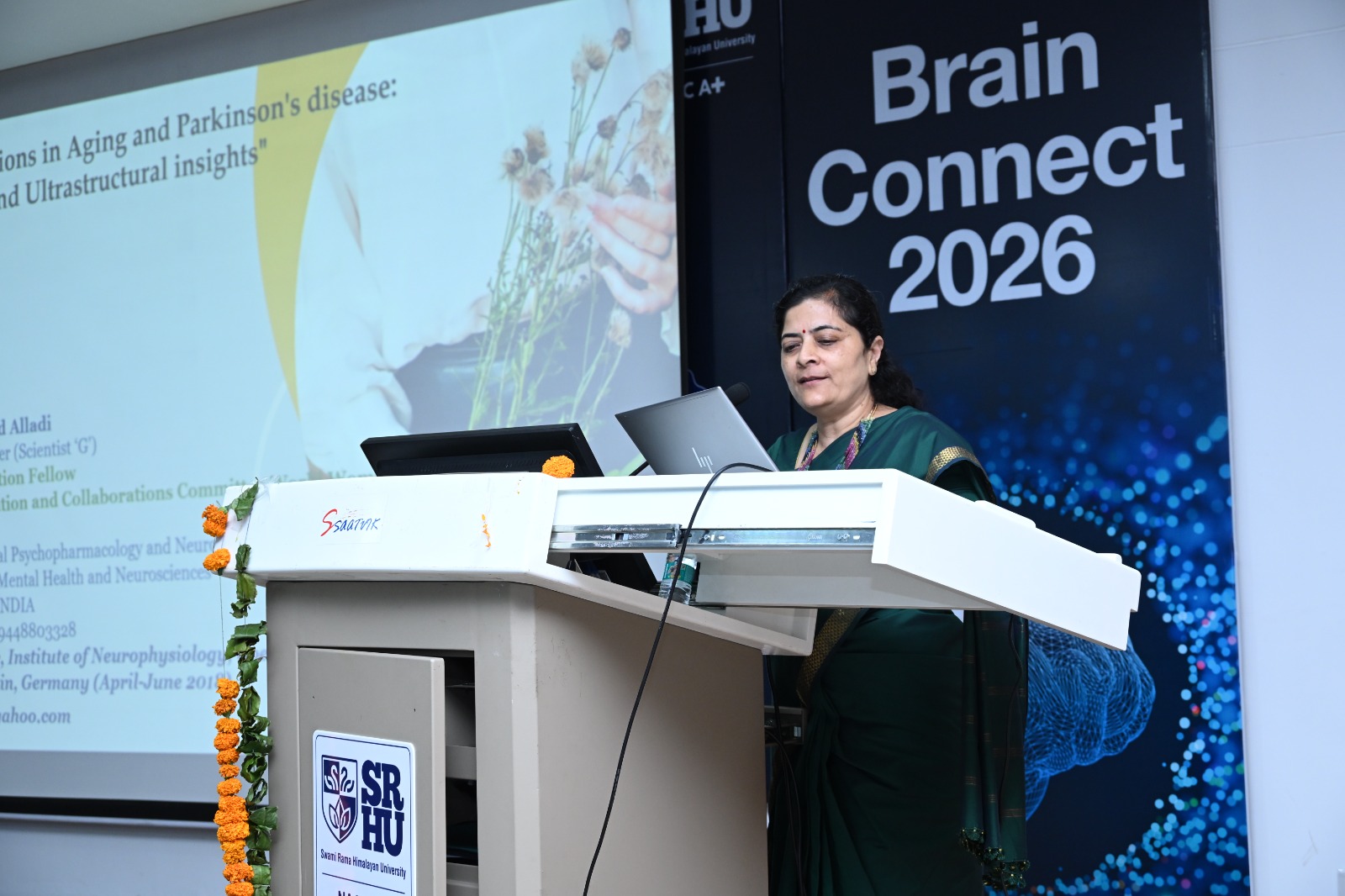
The program also included esteemed experts such as Dr Phalguni Anand Alladi from NIMHANS, specialising in neurodegeneration and brain plasticity; Dr Rajnikant Mishra from Banaras Hindu University; Dr Manorama Patri from the Central University of Himachal Pradesh; and Dr Anita Jagota from the University of Hyderabad, along with emerging investigators from top institutions, including IIT Madras, IIT Roorkee, BHU, the Centre for Brain Research (CBR), NBRC, JNU, GITAM University, Kumaun University, and others. This diverse, high-level participation ensured scientific depth and interdisciplinary collaboration.
The scientific agenda spanned a comprehensive translational continuum in neuroscience, from molecular and cellular mechanisms to neural circuits, clinical neuroscience, and emerging technologies such as artificial intelligence and brain–computer interfaces. In addition to plenary lectures and thematic sessions, the symposium featured an educational workshop on scientific communication, grant writing, and academic integrity to enhance the skills of students and early-career researchers. The academic rigour and clinical relevance of the program were further recognised through the award of 12 Continuing Medical Education (CME) credit hours by the Uttarakhand Medical Council (UKMC).
A major highlight of the symposium was the active involvement of young investigators. The oral and poster presentation sessions fostered lively discussions and high-quality scientific exchange, reflecting both the depth of preparation and enthusiasm among participants. The IAN extended its support to both the Young Investigator Oral and Poster sessions through awards recognising outstanding contributions. These included certificates, academic books, and substantial monetary prizes, underscoring IAN’s commitment to encouraging and nurturing the next generation of neuroscientists. Participants from universities across Uttarakhand and neighbouring regions demonstrated growing interest and demand for structured neuroscience exposure.
The event concluded with an engaging panel discussion on “Building Neuroscience Research Capacity in the Himalayan Region,” featuring experts like Dr Shashi Bala Singh, Dr Vinay Khanna, Dr Pankaj Seth, Dr Phalguni Alladi, and Dr Deepak Goel. It fostered an interactive dialogue emphasising shared visions for neuroscience’s future in Uttarakhand. Key suggestions included regular academic activities, training workshops, stronger networks, and ongoing collaborations with national bodies such as IAN. The panellists advocated for making Brain Connect a recurring event and pledged ongoing support through mentorship and collaboration.
Beyond its scientific impact, Brain Connect 2026 exemplified collaboration, humility, and collective effort. The smooth execution reflected the dedication of faculty, students, and organising teams, ensuring academic rigour and a welcoming atmosphere. The quality of interactions, thoughtful session planning, and warm hospitality received praise from speakers and attendees, many expressing a strong connection to the initiative’s long-term vision.
Under the leadership of Convener Dr Deepak Goel, with sustained academic direction from Co-Conveners Dr Kanchan Bisht and Dr Kaushik Pramod Sharma, Brain Connect 2026 exemplifies how clinical practice and neuroscience research can be meaningfully connected. More importantly, it marks the start of a broader movement to position Uttarakhand as a centre for neuroscience education and research, fostering collaborations and building a vibrant ecosystem that advances scientific discovery and enhances patient care.