Published on: March 28, 2026
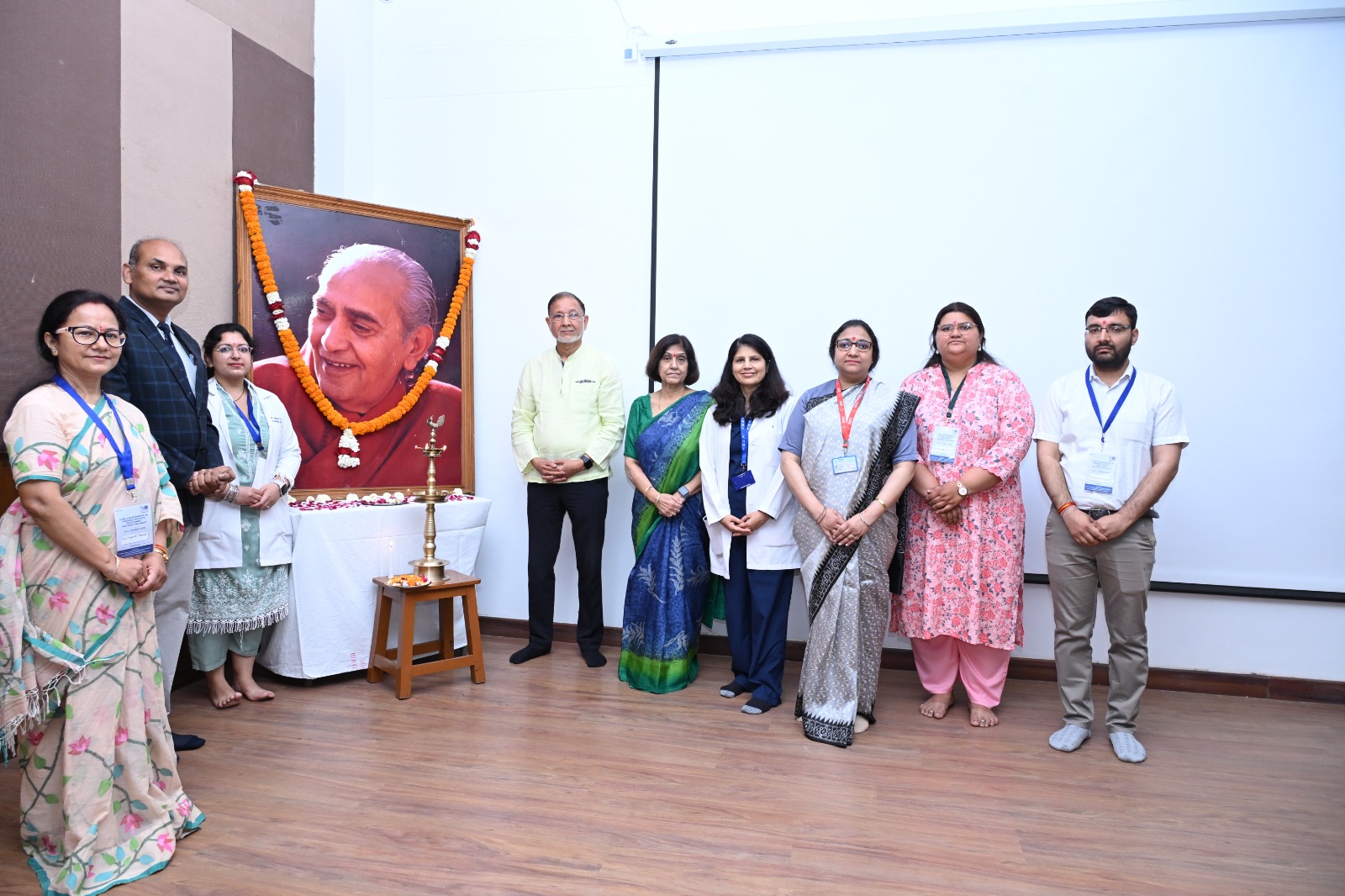
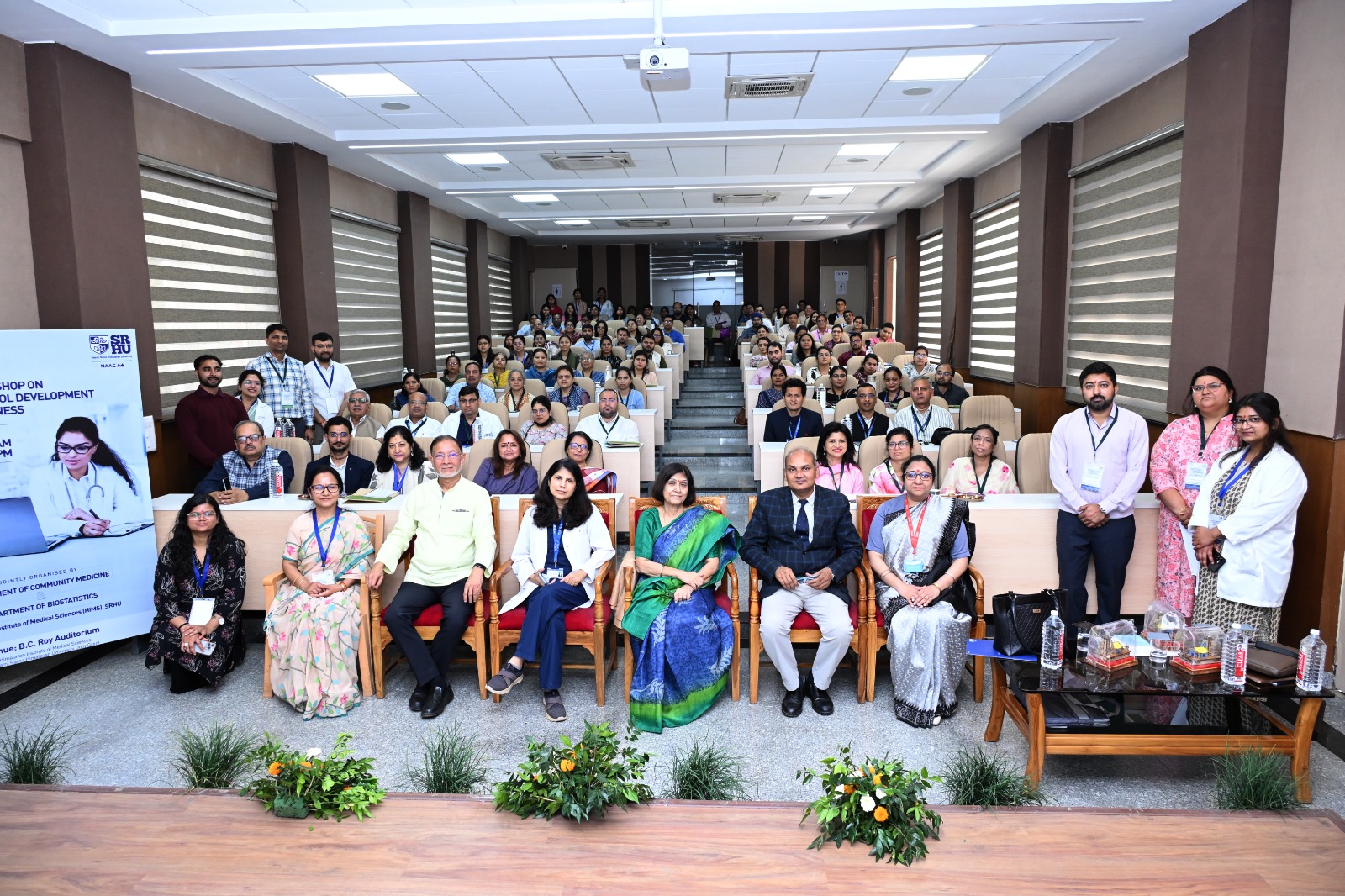
A one-day CME-cum-Workshop on “Research Protocol Development & Grant Readiness” was successfully organized on 28th March 2026 by the Department of Community Medicine in collaboration with the Department of Biostatistics at Himalayan Institute of Medical Sciences (HIMS), Swami Rama Himalayan University (SRHU).
The workshop witnessed enthusiastic participation from faculty members, researchers, and academicians from SRHU as well as other prestigious government/private institutions, reflecting the growing interest in collaborative and quality research initiatives across institutions.
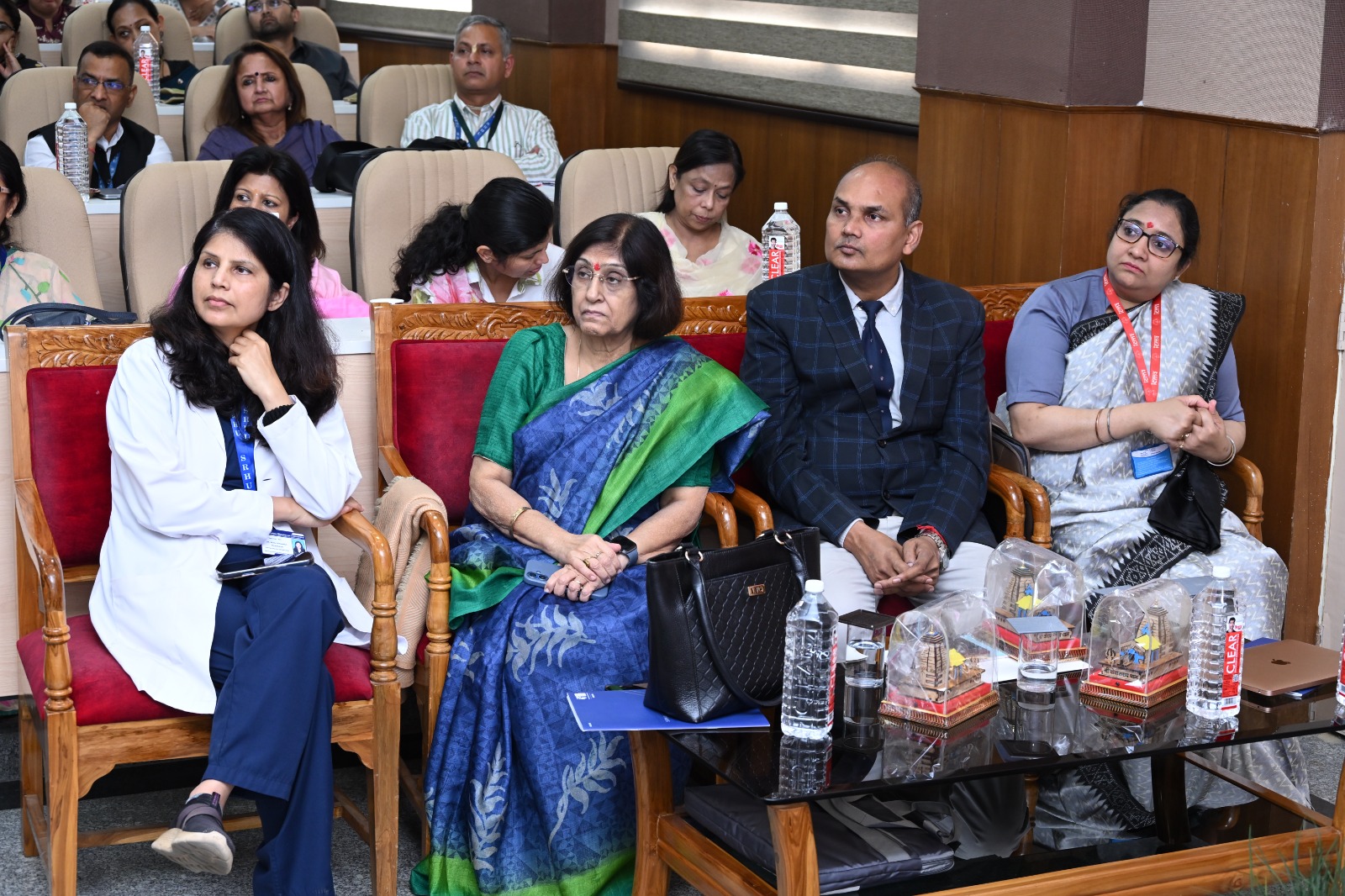
The academic event aimed to strengthen competencies in research protocol writing, methodology design, grant proposal development, budgeting, and extramural funding opportunities. The workshop featured eminent resource persons including Dr. Suneela Garg (Professor Emeritus NAMS MOHFW, GOI), Dr. Vikas Dhikav (Scientist E, DHR-ICMR), and Dr. Ravleen Kaur (Scientist D, ICMR HQ), who delivered insightful sessions on understanding ICMR and DHR extramural grants, robust methodology development, budgeting, and practical grant application writing.
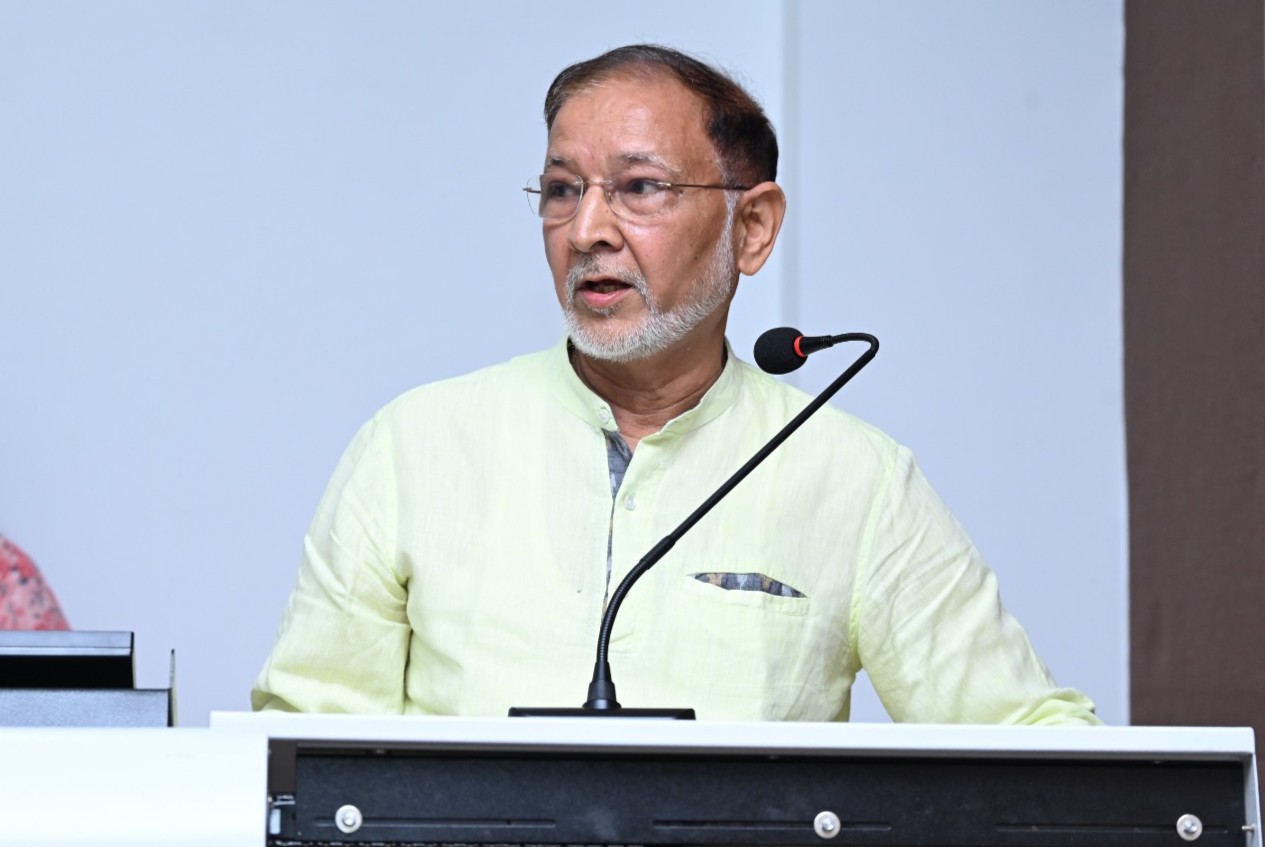
During the inaugural address, Dr. Rajendra Dobhal, Vice Chancellor, SRHU, emphasized the vital importance of research in promoting academic excellence, innovation, and evidence-based healthcare, encouraging faculty members to contribute meaningfully to scientific progress and institutional development. Dr. Ashok Kumar Deorari, Pro Vice Chancellor, SRHU, highlighted that such workshops are highly fruitful for faculty members, as they encourage and equip them to apply for extramural grants and focus more strongly on research excellence. He emphasized the need for faculty to actively develop high-quality research proposals, interdisciplinary collaborations, and competitive grant applications. Dr. Renu Dashmana, Principal (Administration), HIMS, SRHU, also shared her valuable thoughts on the importance of integrated research, emphasizing the need for interdepartmental collaboration and multidisciplinary approaches to address contemporary healthcare and public health challenges more effectively.
A major highlight of the workshop was the hands-on session on the development of grant applications, where participants actively engaged with the resource faculty and coordinating team in preparing practical grant proposals. The session provided valuable experiential learning and fostered interactive discussion. More than 70 participants, including Professors, Faculty members, Scientists, and Research Scholars from the university, attended the full-day CME-cum-Workshop.
The workshop concluded with a valedictory session, post-assessment, and certificate distribution, followed by tea. The organizers expressed sincere gratitude to the university administration, distinguished speakers, participating institutions, and all attendees for making the event a grand success.