Master of Chirurgiae (M.Ch) – Neurosurgery

Master of Chirurgiae (M.Ch) – Neurosurgery

Course Name : M. Ch Neurosurgery
Programme level : Postgraduate Super- Speciality
Duration of the course :  03 Years

Eligibility: Admissions to all postgraduate super-specialty programmes are conducted nationally through the competent authority as prescribed by the Statutory Council (NMC) and as per Government of India Gazette notifications, based on NEET-SS merit.

Overview

World class Neurosurgical facilities are available at Himalayan Institute of Medical Sciences, which is a State-of-the-art premier hospital located at Swami Ram Nagar, Jolly Grant, Dehradun, Uttarakhand.

Neurosurgery Department at Himalayan Institute of Medical Sciences provides a conglomerate of different facilities under one roof. It is the apex centre for simple and complex brain surgeries in Uttarakhand.  Apart from providing surgical facilities the team is backed by qualified professionals from allied super specialties like Neurology, Neuro Anaesthesia, Restorative Neurology, Neuro Critical Care, Pain Medicine & Mental Health and Behavioural Sciences. Our Institute aims at optimizing patient care by bringing all these specialties under a single umbrella to work in unison towards better patient care and outcomes.

Employability:

  1. Consultant Neurosurgeon
  2. Pediatric Neurosurgery
  3. Spinal Surgery
  4. Neurovascular Surgery
  5. Neuro-oncology (Brain Tumors)
  6. Neuroendoscopy
  7. Skull Base Surgery
  8. Endo-Vascular Neuro-Intervention
  1. Advantages:
  2. Super-Specialised Expertise
  3. Clinical Competence & Independent Practice
  4. Excellent Career Opportunities
  5. Professional Recognition & Prestige
  6. Opportunities in Teaching & Research
  7. Ability to Handle Complex Cases
  • Out- Patient Services: Daily Neurosurgical OPD.
  • Inpatient Services: 24 general Neurosurgery beds, 6 HDU beds with ICU and private beds.
  • Emergency Services: 24×7 Neurosurgery Emergency with stroke care and ICU support.
  • Operation Theatre and Cath-Lab: Elective and emergency OT with endovascular Cath lab services.
  • Neuro-Rehabilitation: Physiotherapy, speech therapy, and occupational therapy.
  • Imaging & Radiology: MRI (1.5 T), CT scan, DSA, interventional radiology with nuclear medicine testing like PET/SPECT studies.
  • Specialty Clinics: Functional Neuro Surgery, Pediatric Neuro Surgery, Spine Clinic, Vascular Neuro Surgery, Skull Base Surgery, Trauma/Miscellaneous, Epilepsy Neuro Surgery and Peripheral Nerve Clinic.
  • Support Departments: Psychiatry, Neurology, Cardiology, Pathology, Nephrology, General Medicine, Clinical Psychology, Physiotherapy, Radiodiagnosis, Nuclear Medicine, Radiation Oncology and Medical Oncology.
Unique Contributions to Postgraduate Medical Education and Patient Care:
  • Innovative Curriculum Development: Competency-based neurosurgery training curriculum aligned with global standards, simulation-based skill labs, subspecialty modules to ensure comprehensive exposure.
  • Teaching and Mentorship: Mentor for postgraduate residents and fellows, guiding clinical decision-making, research, and career development, Regular structured teaching sessions including case conferences, journal clubs, board reviews, morbidity & mortality meetings.
  • Assessment and Evaluation Innovations: Introduced routine quarterly theory and practical examination.
  • Research and Scholarship in Education: Research projects aimed at improving teaching strategies, assessment validity, and resident learning outcomes. Guidance in Publications of peer-reviewed educational research. Assistance in paper, poster and case presentation at various neurosurgical conferences and medical education forums.
  • Clinical Innovation and Protocol Development: Led development of evidence-based clinical pathways for common and complex neurosurgical conditions. Introduced multidisciplinary care teams incorporating neuro-oncology, neurorehabilitation, neurocritical care, pain management, and allied professionals.
  • Advanced Surgical and Neurovascular Techniques: Neuronavigation and intraoperative imaging, minimally invasive spine and skull base techniques, Endoscopic endonasal approaches, Awake craniotomies for functional mapping and Endovascular coiling and flow diverter placement.
  • Quality Improvement and Safety Leadership: Neurosurgical quality improvement programs measuring outcomes, complications, and patient satisfaction. Established surgical safety checklists and morbidity review processes that significantly reduced errors and enhanced care consistency.
  • Clinical Research and Evidence Generation: Directed clinical research studies translating into improved diagnostic and therapeutic practices. Published clinical outcomes research in high-impact journals and contributed to national/international treatment guidelines.
Undergraduate Teaching
  • Clinical neurosurgery lectures and bedside teaching for MBBS students.
  • Case-based discussions and practical skills in neurological and neurosurgical examination
Postgraduate Teaching (MS General Surgery)
  • Structured rotations with seminars, case discussions, and neuroimaging training
  • Focus on traumatic brain injury, emergency and elective neurosurgical procedures stroke and epilepsy.
M.Ch Neurosurgery Resident Training:
  • Daily academic sessions: Seminars, journal clubs, case presentations.
  • Exposure to Neuro-interventions, Elective and emergency OT with endovascular Cath lab services.
  • Neuro imaging principles and interpretations.
  • Regular thesis reviews, audits, and national conference participation
  • Weekly departmental seminars and grand rounds
  • National workshops and CMEs.

FACULTY

   Admissions Form         

Admission Open For 2025

×
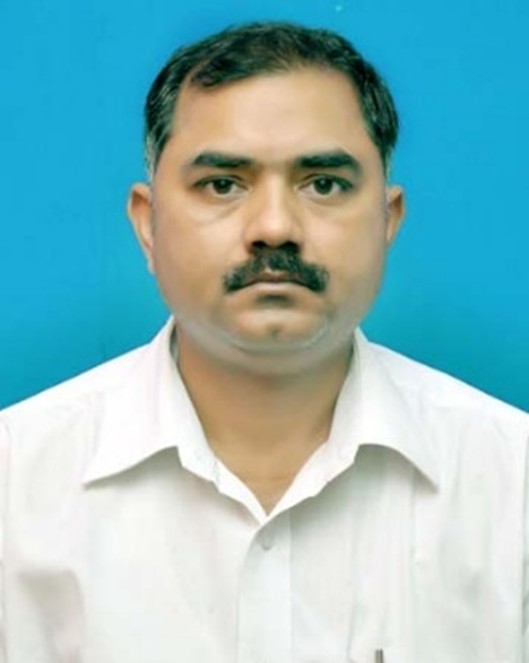
Professor & Head
Dr Ranjit Kumar

Qualifications: M.Ch. (RIMS, Ranchi)

Special Interest: His area of expertise include Epilepsy surgery, Movement disorder surgery, Endoscopic skull base surgery, minimally invasive spine surgery and scoliosis correction surgeries. Dr Ranjit has received Swami Rama Best Clinician award in 2015. He has been principal investigator for several research projects at the Institute. He has worked as the investigator in STICH II trial.

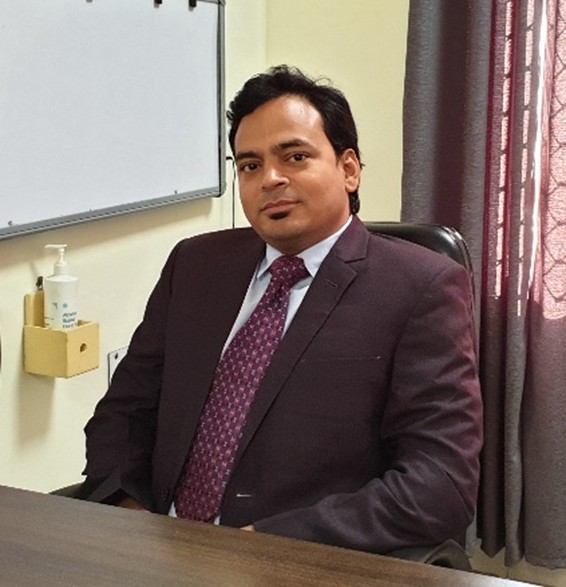
Associate Professor
Dr Brijesh Kumar Tiwari

Qualifications: M.Ch. (CMC Vellore)

Special Interest: He has special interest in Pediatric neurosurgery, Pituitary surgery, Open and endoscopic spine surgery, especially Cervico-Vertebral junction anomalies, Vascular surgery, Brachial plexus and peripheral nerve surgery. Dr Tiwari has special interest in experimental animal research and cadaveric dissection and has widely published his work. His original research work on experimental study on rabbit dura using Polycaprolactone was highly appreciated on the national scene. He is a member of Neurological Society and Neurotrauma society of India. At present he is the founder Secretary of Uttarakhand Neurosciences Foundation. Currently he spearheading the Neuro Intervention section of Neurosurgery at Himalayan Institute.

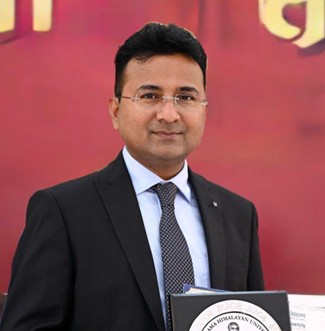
Associate Professor
Dr Sanjeev Kumar Pandey

Qualifications: M.Ch. (CMC Vellore)

Special Interest: Base of skull surgery, neurovascular surgery and Cervico-Vertebral junction anomaly surgery are his area of interests. He has won the best poster award in Indian-Australasian pediatric Neurosurgery Conference in 2017. He has published many research papers in National and International journal including original article in prestigious World Neurosurgery Journal. He is member of several societies in the field of Neurosciences. At present he is the Founder, treasurer of Uttarakhand Neurosciences Foundation. He is in charge of the Neurosurgery Academic Programme and spearheads the Skull base Programme of Neurosurgery at Himalayan Institute.