Published on: April 25, 2026
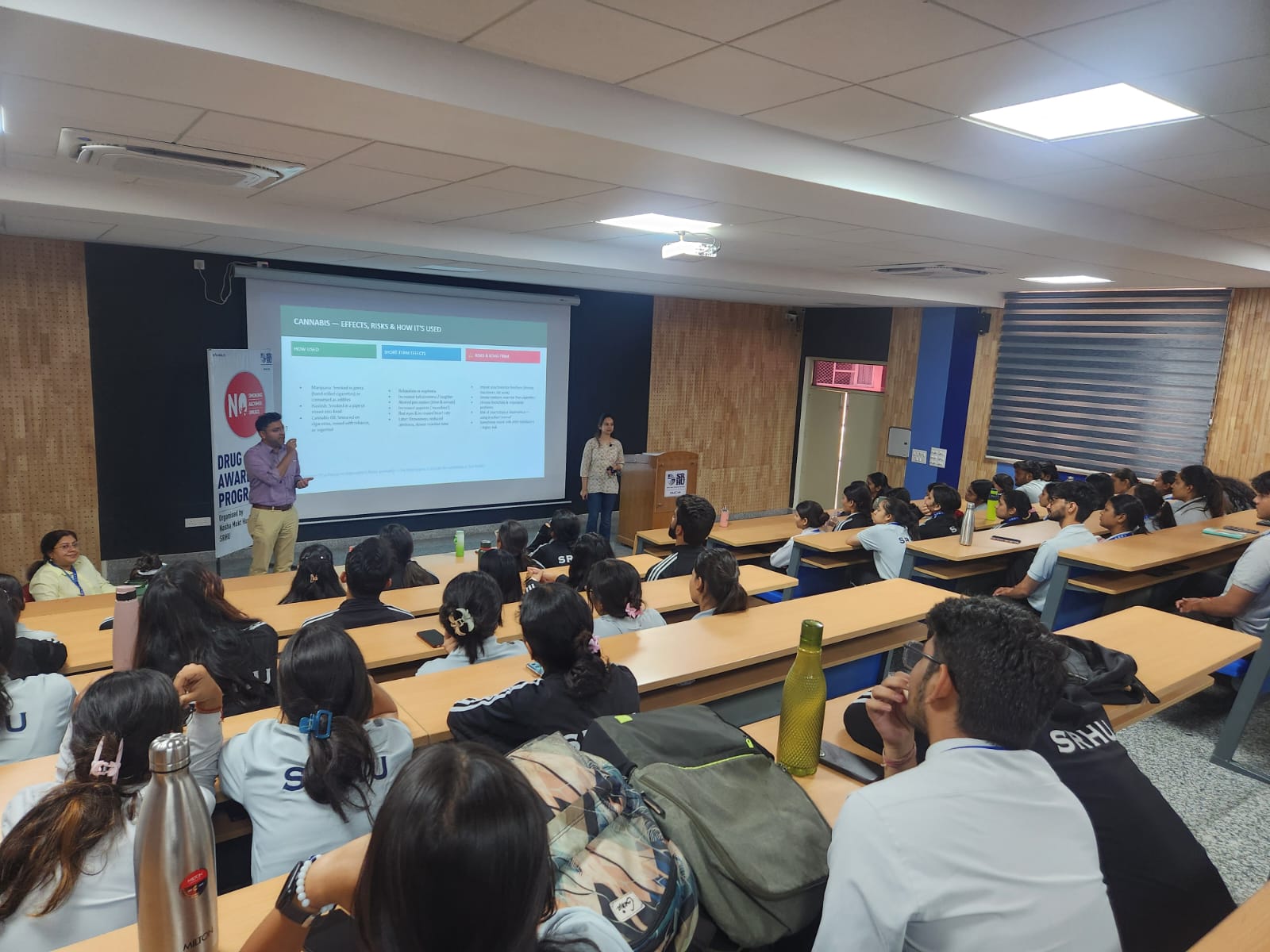
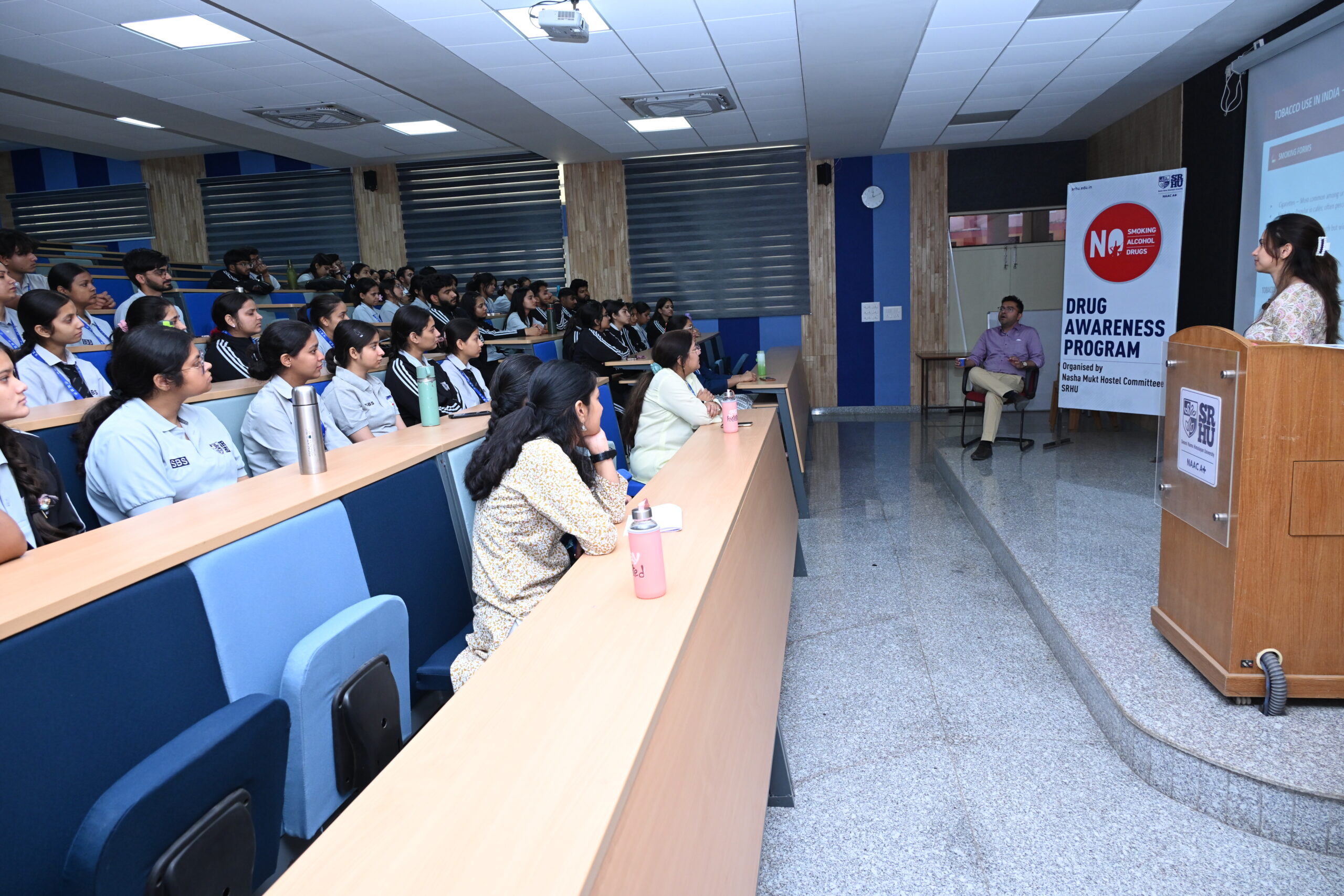
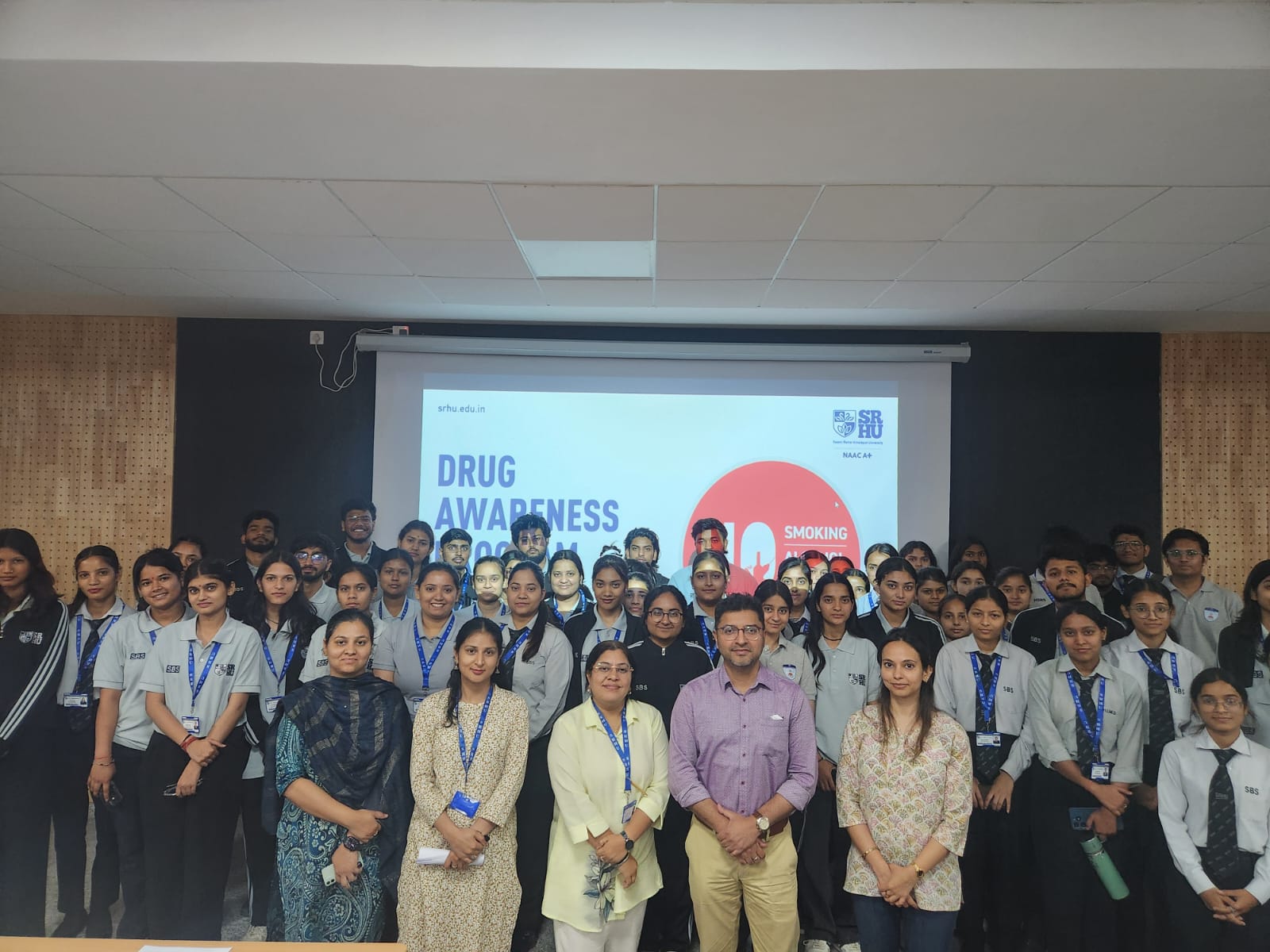
A Drug Awareness Program was organized by the Nasha Mukt Hostel Committee for students of the School of Bioscience, Swami Rama Himalayan University, with the aim of educating them about different types of drugs and the consequences of substance abuse. The session commenced with opening remarks by Dr. Nikku Yadav, who outlined the vision and importance of establishing the Nasha Mukt Hostel Committee at SRHU. This was followed by an address by Dr. Priya Ranjan Avinash (Chairperson), who spoke about the “Nasha Mukt Abhiyan” launched under the leadership of Hon’ble Prime Minister Shri Narendra Modi.
Dr. Nitika Kimothi further explained the concept of drugs as chemical substances that affect the physiological and psychological functions of the human body. She emphasized that while drugs play a vital role in prevention, diagnosis, and treatment, their misuse can lead to serious health, social, and ethical consequences. She also highlighted that substance abuse is an emerging public health concern both in India and globally, impacting individuals, families, and society at large. The session focused on raising awareness about commonly abused substances, their adverse effects, and the associated risks, particularly among youth.
Dr. Priya Ranjan Avinash explained how drugs can quickly affect the brain, sometimes within just a few hours. He discussed why young people are more likely to experiment with substances, citing factors such as curiosity, peer pressure, and lack of awareness. His message emphasized that understanding harmful effects is the first step toward prevention.
He also provided practical, real-life strategies for handling peer pressure, including simple and effective ways to refuse alcohol or drugs without discomfort. He encouraged students to make informed decisions and maintain a healthy and balanced lifestyle.
Dr. Avinash further explained the harmful effects of smoking and vaping, emphasizing that vaping is equally dangerous. He shared insights from his OPD experience, describing the different types of patients he regularly encounters due to substance abuse.
The session was highly interactive, with students actively asking questions about alcohol use, addiction, and methods to quit unhealthy habits. Dr. Avinash reassured participants that addiction is not a weakness but a medical condition that can be treated with proper care and support. He encouraged students to seek help and visit his OPD if needed.
To enhance engagement, Dr. Nitika Kimothi conducted a quiz on myths and facts about alcohol. This activity helped clear common misconceptions and kept students actively involved. She also guided students on how to confidently refuse alcohol when offered by friends, colleagues, or others.