Published on: May 2, 2026
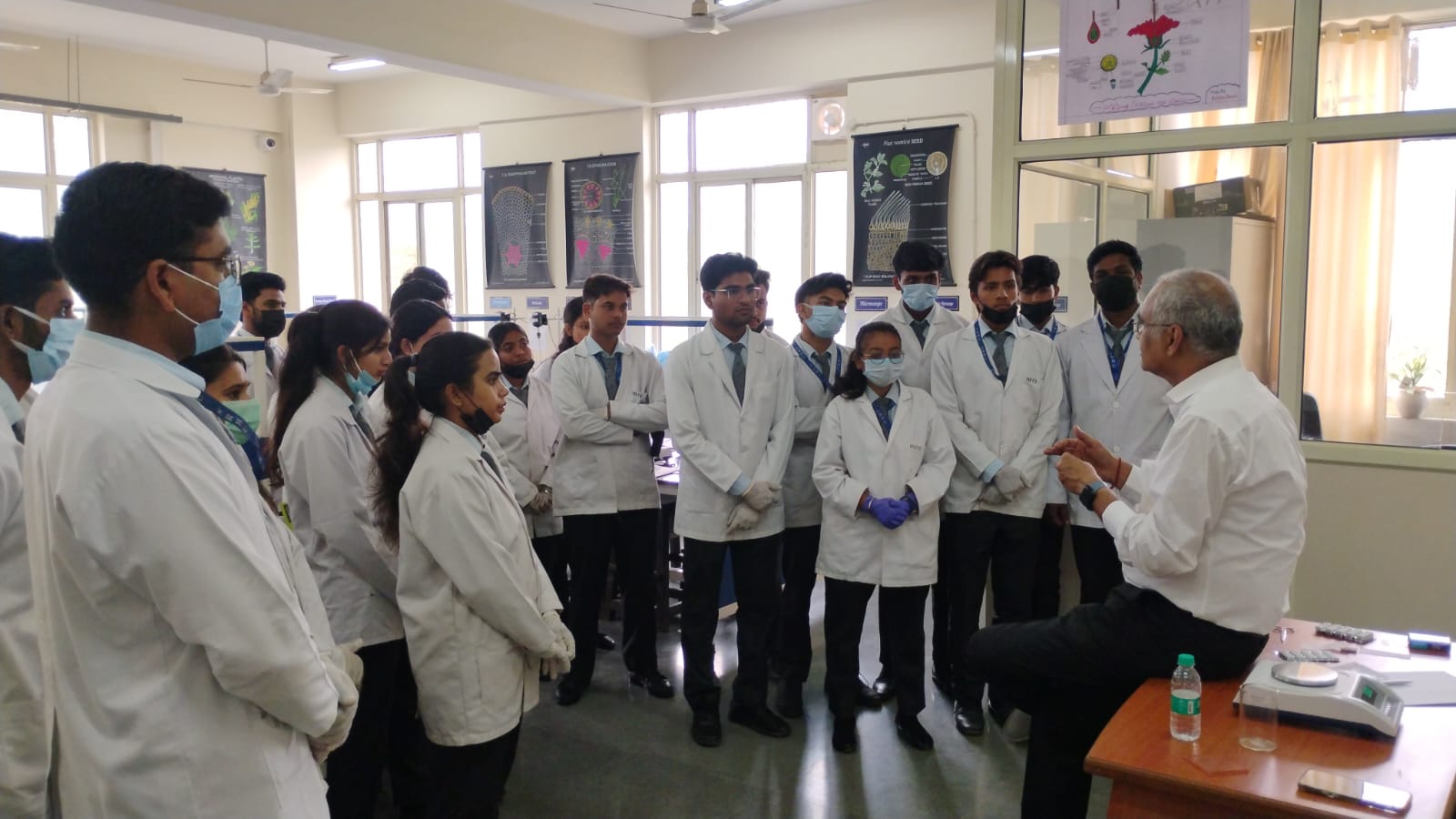
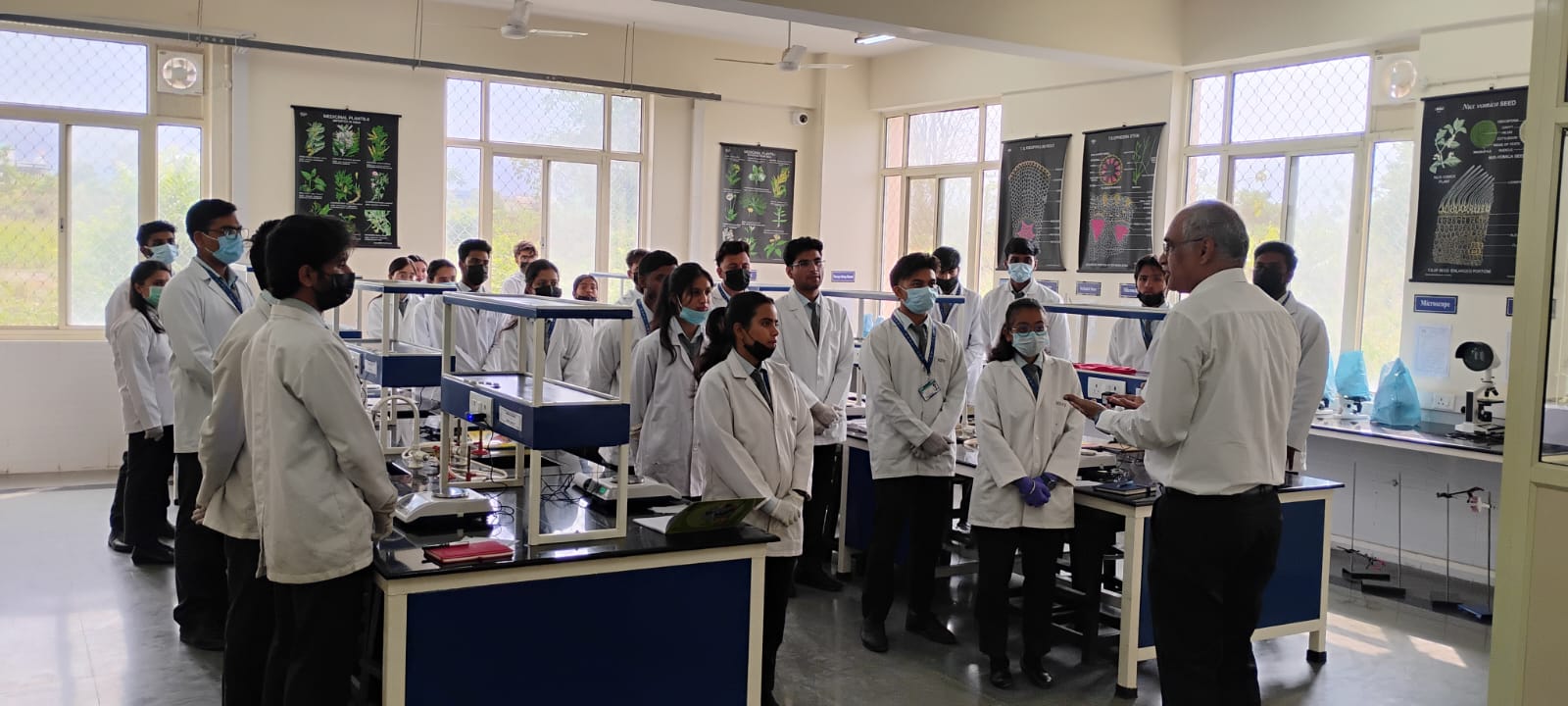
The first session commenced at 9:00 a.m. in the Pharmacognosy laboratory for B. Pharm 3rd year students and was conducted under the expert guidance of Dr. Manish Grover, who served as both the trainer and facilitator for the activity. The session was designed as a hands-on training program focusing on the Weight Variation Test, an essential quality control parameter used to ensure uniformity in tablet dosage forms. Dr. Grover began the session with a brief conceptual explanation of the importance of weight variation in maintaining dosage accuracy and compliance with pharmacopeial standards. Following the introduction, students were divided into small groups of two and engaged in performing the experiment independently under supervision. Each group weighed 20 tablets individually using an analytical balance, calculated the average weight, and determined the percentage deviation of each tablet. The results were then compared with standard pharmacopeial limits to assess compliance. Dr. Grover actively guided students throughout the procedure, emphasizing proper handling of the analytical balance, accuracy in measurements, and common sources of experimental error. This session provided students with valuable practical exposure and significantly improved their understanding of tablet quality evaluation. They developed essential laboratory skills, enhanced their calculation accuracy, and gained insights into real-world quality control challenges. The interactive nature of the training ensured that students not only performed the procedure but also understood the rationale behind each step. The session ended at 11:15 am.
Session 2: GxP – A Foundation Talk
Time: 11:30 am
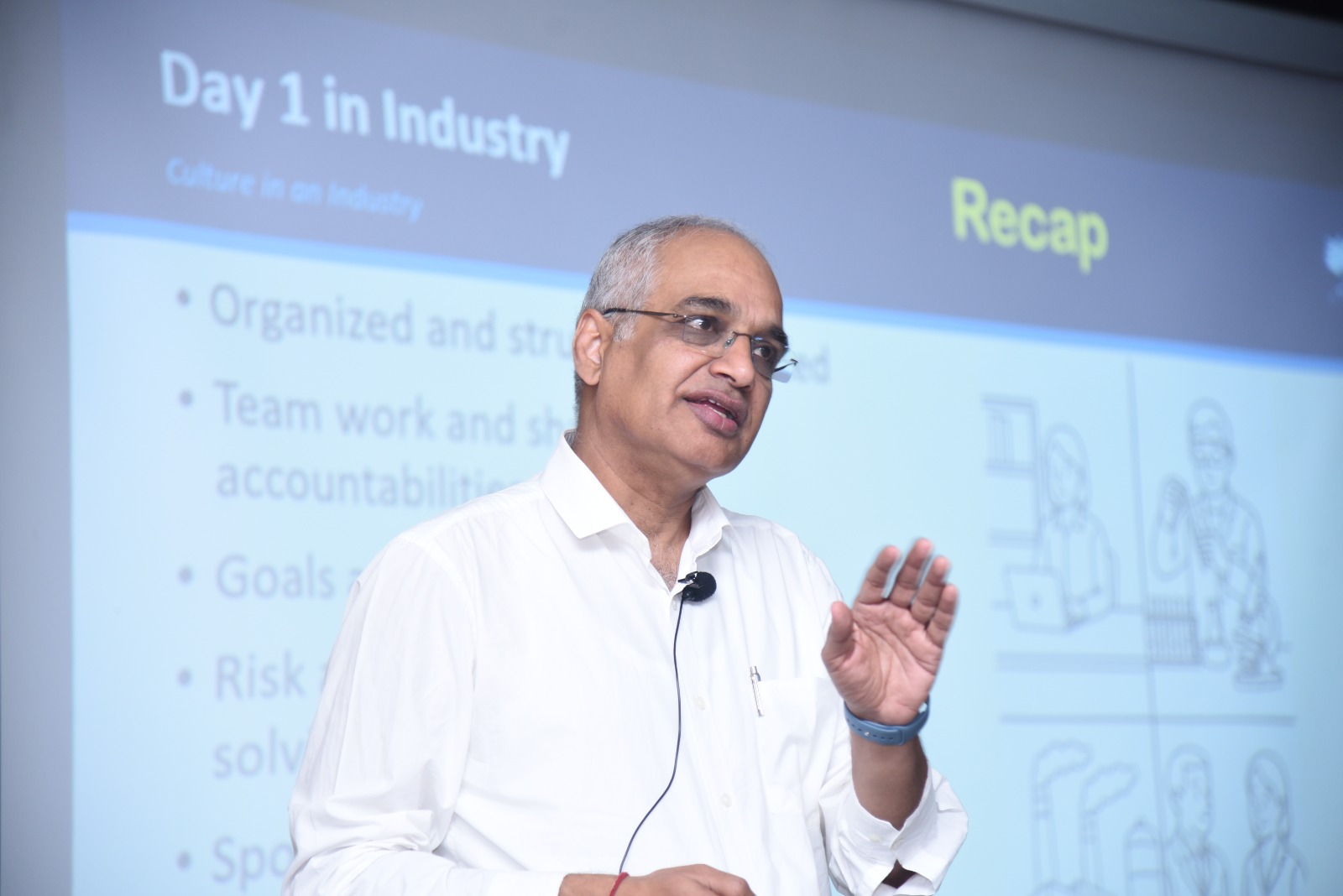
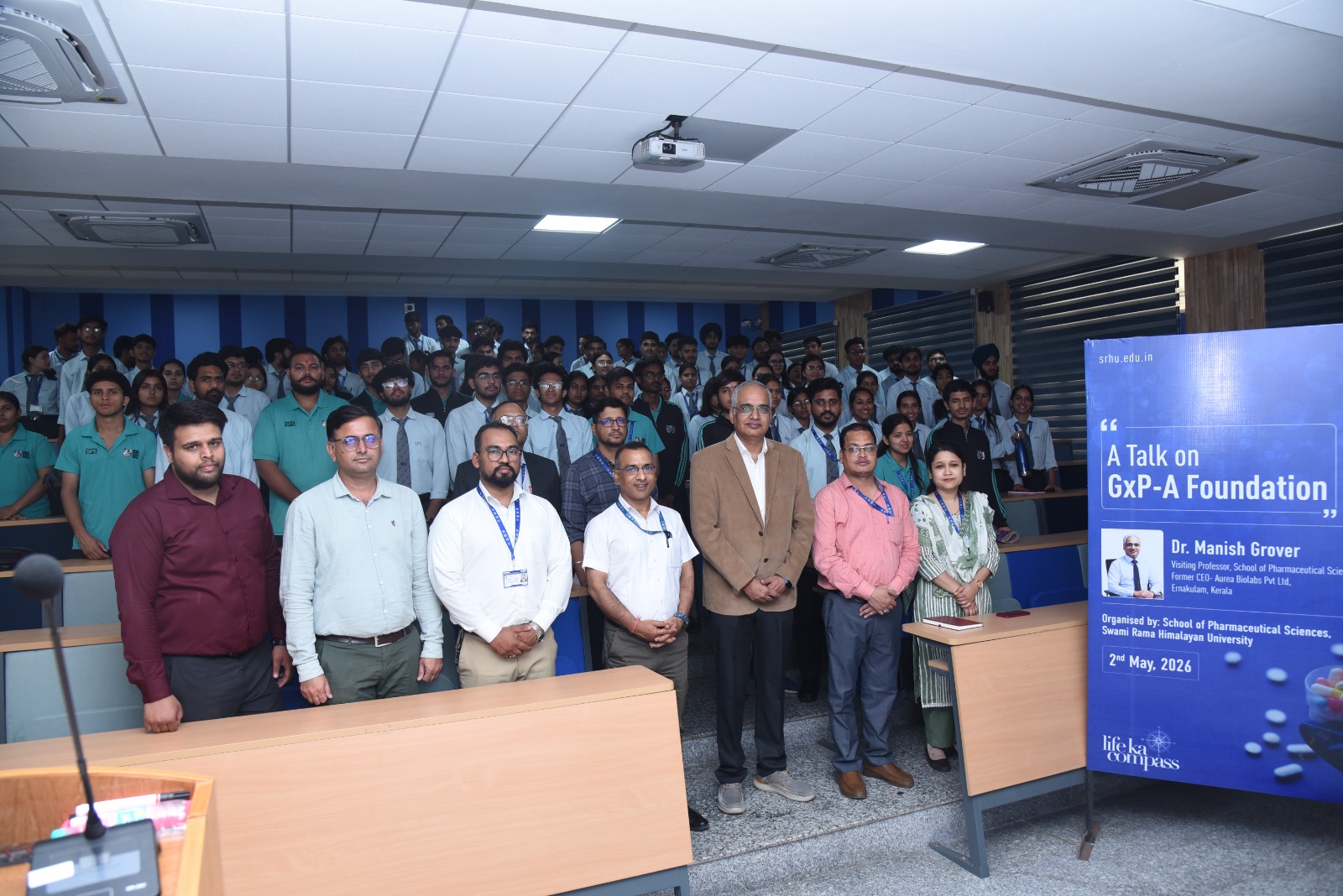
The second session was an engaging and informative guest lecture delivered by Dr. Manish Grover at 11:30 a.m. in the Sushrutha Lecture Hall, attended by all B. Pharm students (1st, 2nd, and 3rd years). Dr. Grover introduced the concept of GxP (Good Practices), which forms the cornerstone of pharmaceutical industry regulations and quality systems. During the lecture, Dr. Grover provided a comprehensive overview of various components of GxP, including Good Manufacturing Practices (GMP), Good Laboratory Practices (GLP), Good Clinical Practices (GCP), and Good Distribution Practices (GDP). He elaborated on how these regulatory frameworks ensure product quality, patient safety, and compliance with national and international guidelines. Special emphasis was placed on the importance of documentation, data integrity, and the role of quality assurance systems in pharmaceutical industries. Dr. Grover enriched the session by sharing practical insights, real-world examples, and industry-oriented perspectives, which helped students relate theoretical knowledge to actual pharmaceutical practices. The lecture successfully enhanced students’ awareness of regulatory requirements and highlighted the critical role pharmacists play in maintaining quality standards. Overall, the session served as a strong foundation for understanding industrial practices and bridging the gap between academic learning and professional expectations.
Session 3: Group discussion skills for students success
Time: 2:00 pm
The third session started at 2:00 p.m. for B. Pharm 2nd year students, focused on a group discussion activity aimed at fostering communication skills, teamwork, and analytical thinking. The session was structured to encourage active participation and collaborative learning among students. Participants were divided into groups and assigned diverse, thought-provoking topics related to pharmaceutical sciences and healthcare. The topics included critical areas such as Role of buffers in biological systems, Distinctions between Quality Assurance and Quality Control, Formulation challenges in monophasic and biphasic systems, Pediatric dosing considerations, Evolution of Indian Pharmacopoeia, Drug-protein binding mechanisms, and Importance of pharmacists in preventing prescription errors. Each group engaged in in-depth discussions, analyzed their respective topics, and presented their viewpoints confidently. The activity created an interactive learning environment where students could exchange ideas, challenge perspectives, and develop a deeper understanding of key pharmaceutical concepts. It also helped in improving their presentation skills, boosting confidence, and promoting teamwork. The session proved to be highly effective in enhancing both subject knowledge and soft skills, which are essential for professional growth in the pharmaceutical field.
All three sessions, conducted under the expertise of Dr. Manish Grover, were highly impactful and contributed significantly to the overall development of the students. The combination of hands-on laboratory training, conceptual and industry-oriented learning, and interactive group discussions created a well-rounded educational experience. Students not only gained technical knowledge and practical skills but also developed critical thinking, communication abilities, and a better understanding of real-world pharmaceutical practices. These sessions successfully bridged the gap between theory and application, making the learning process both effective and engaging