Published on: April 15, 2026
Venue: Adi Kailash Auditorium, Swami Rama Himalayan University, Dehradun
Participants: Students and faculty members from the School of Science & Technology
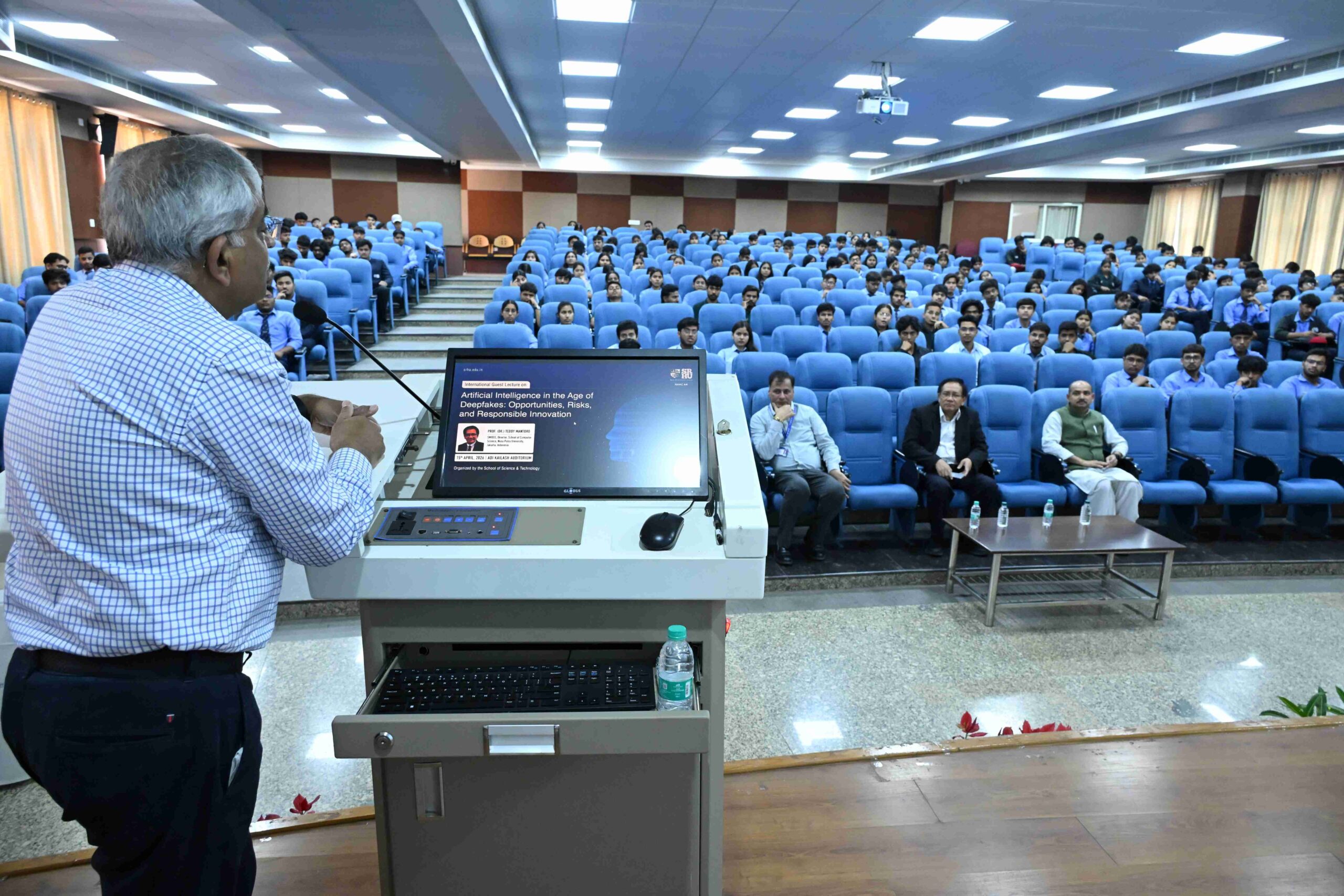
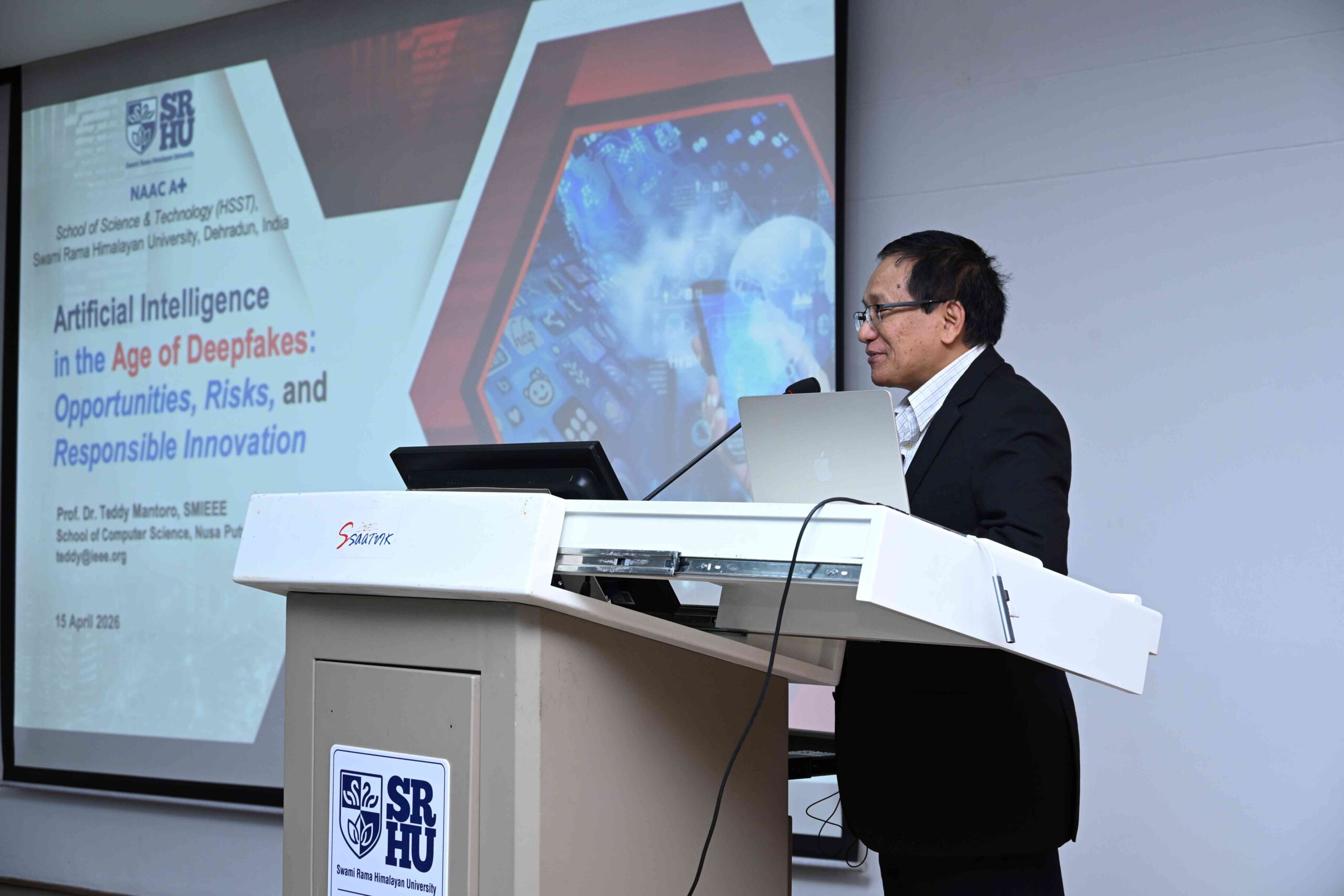
The School of Science & Technology (SST), Swami Rama Himalayan University, Dehradun, organized an International Guest Lecture on the topic “Artificial Intelligence in the Age of Deepfakes: Opportunities, Risks, and Responsible Innovation” on 15th April 2026.
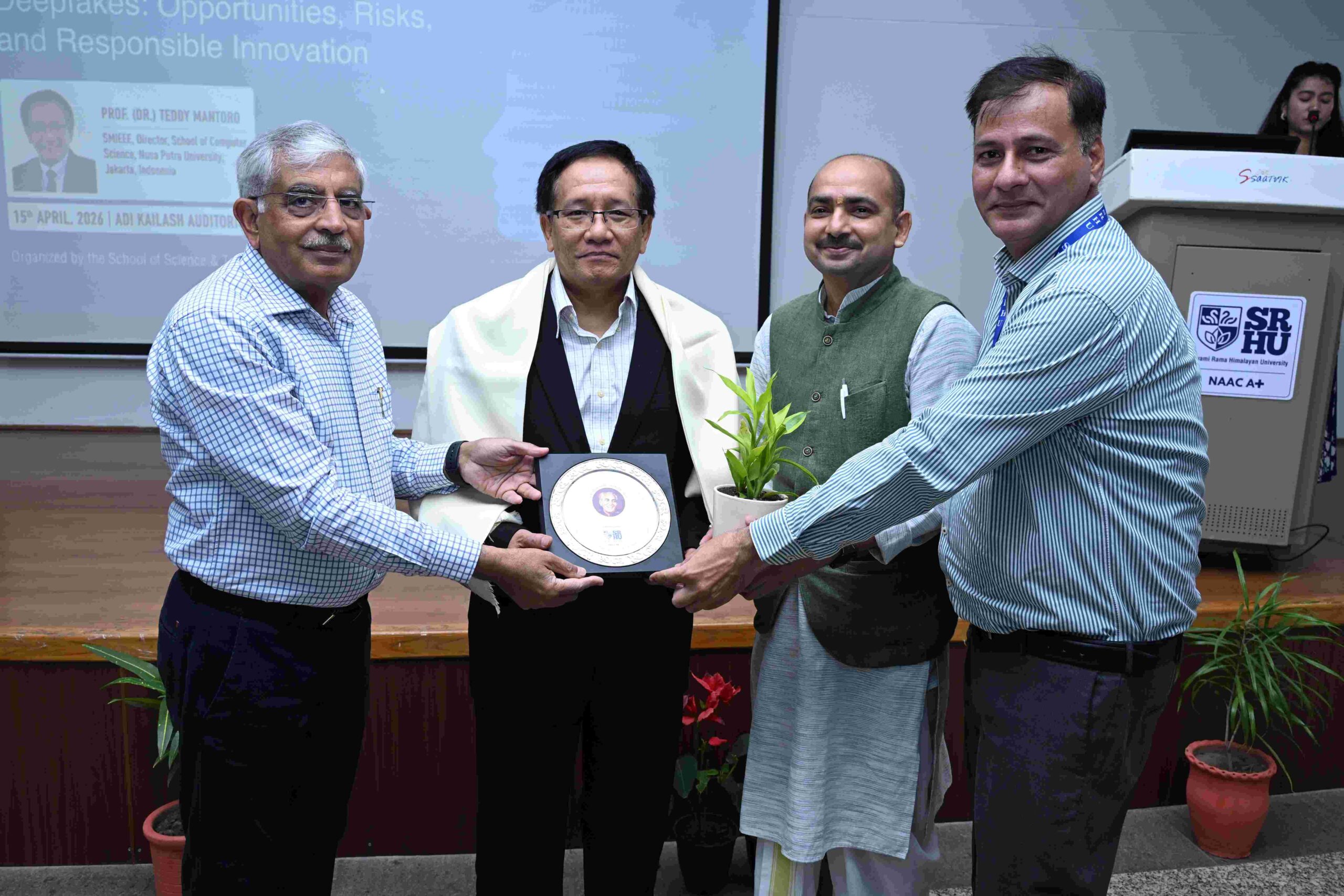
The session was delivered by Prof. (Dr.) Teddy Mantoro, SMIEEE, Director, School of Computer Science, Nusa Putra University, Jakarta, Indonesia. The lecture aimed to provide participants with insights into the rapidly evolving domain of Artificial Intelligence, particularly focusing on deepfake technologies, their applications, associated risks, and the importance of ethical and responsible innovation.
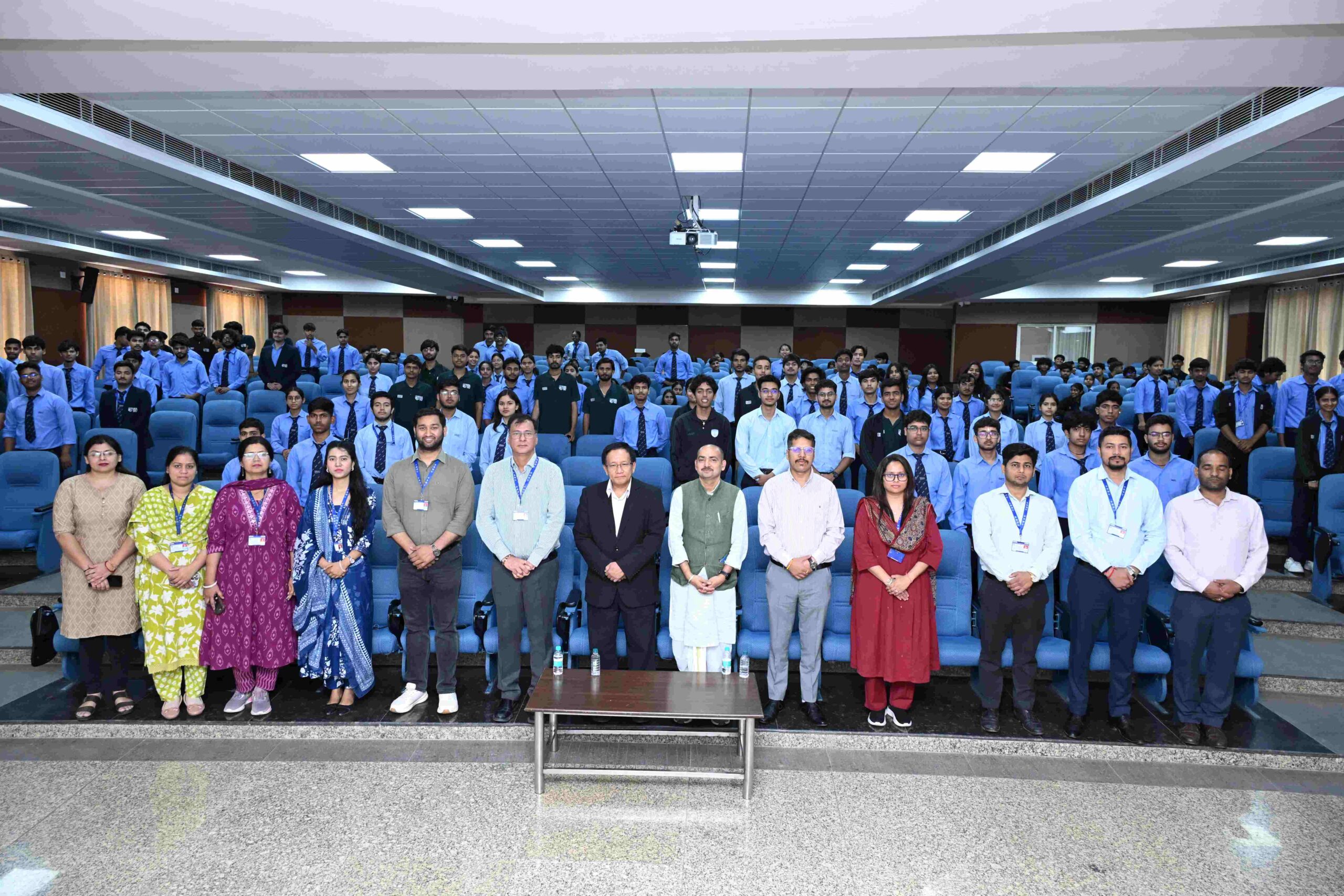
The session was formally inaugurated by Dr. Vijendra D. Chauhan, Director General Academic Development, Prof. (Dr.) Pramod Kumar, Dean, School of Science & Technology, Prof. (Dr.) Neel Mani in the gracious presence of keynote speaker Prof. (Dr.) Teddy Mantoro.
In his inaugural address, Dr. Vijendra D. Chauhan, Director General Academic Development, emphasized the transformative role of Artificial Intelligence in shaping the future of society. He highlighted that while AI technologies such as deepfakes present remarkable opportunities for innovation, they also demand a strong ethical foundation and responsible usage. He encouraged students to develop not only technical expertise but also a strong sense of accountability and integrity while working with emerging technologies.
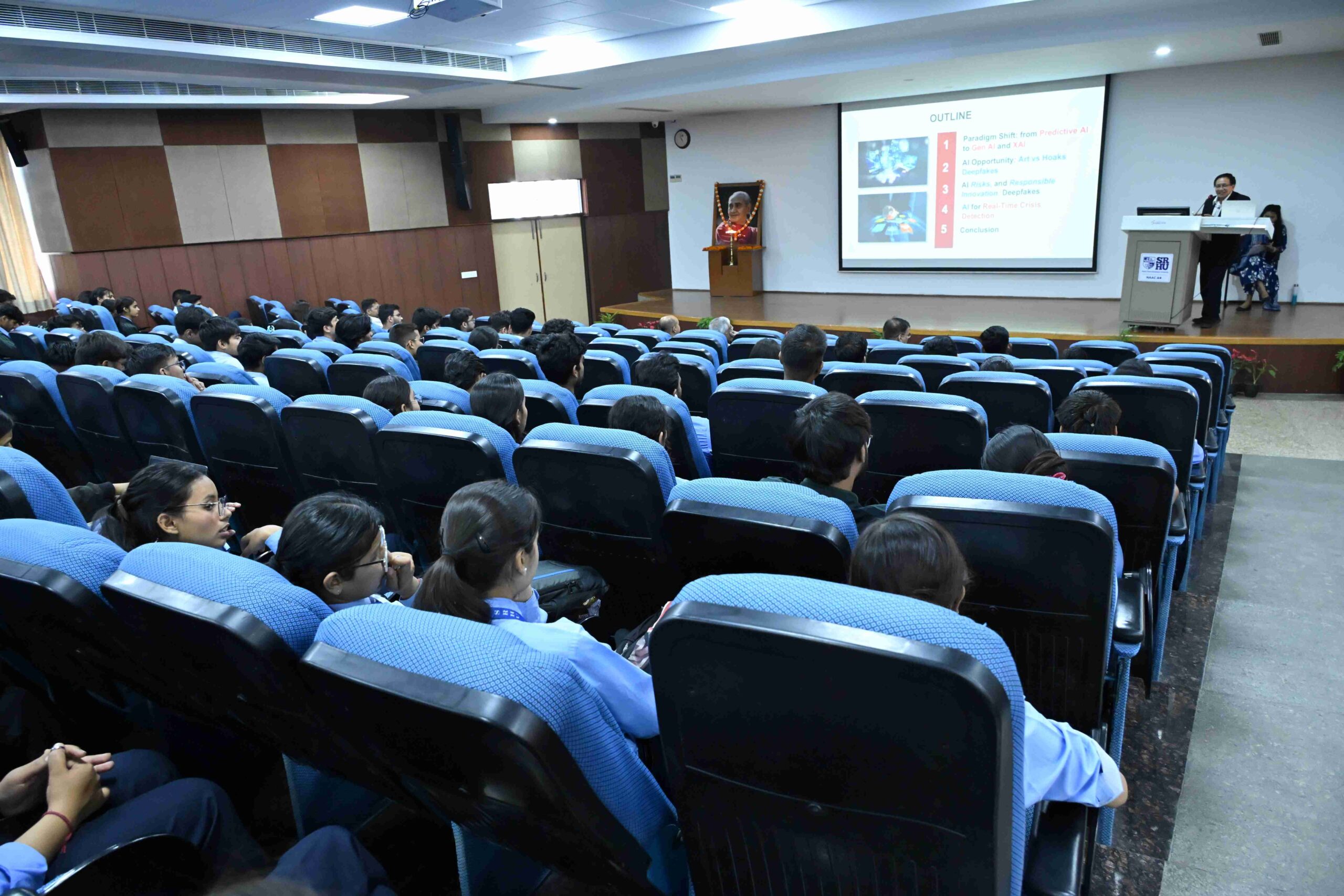
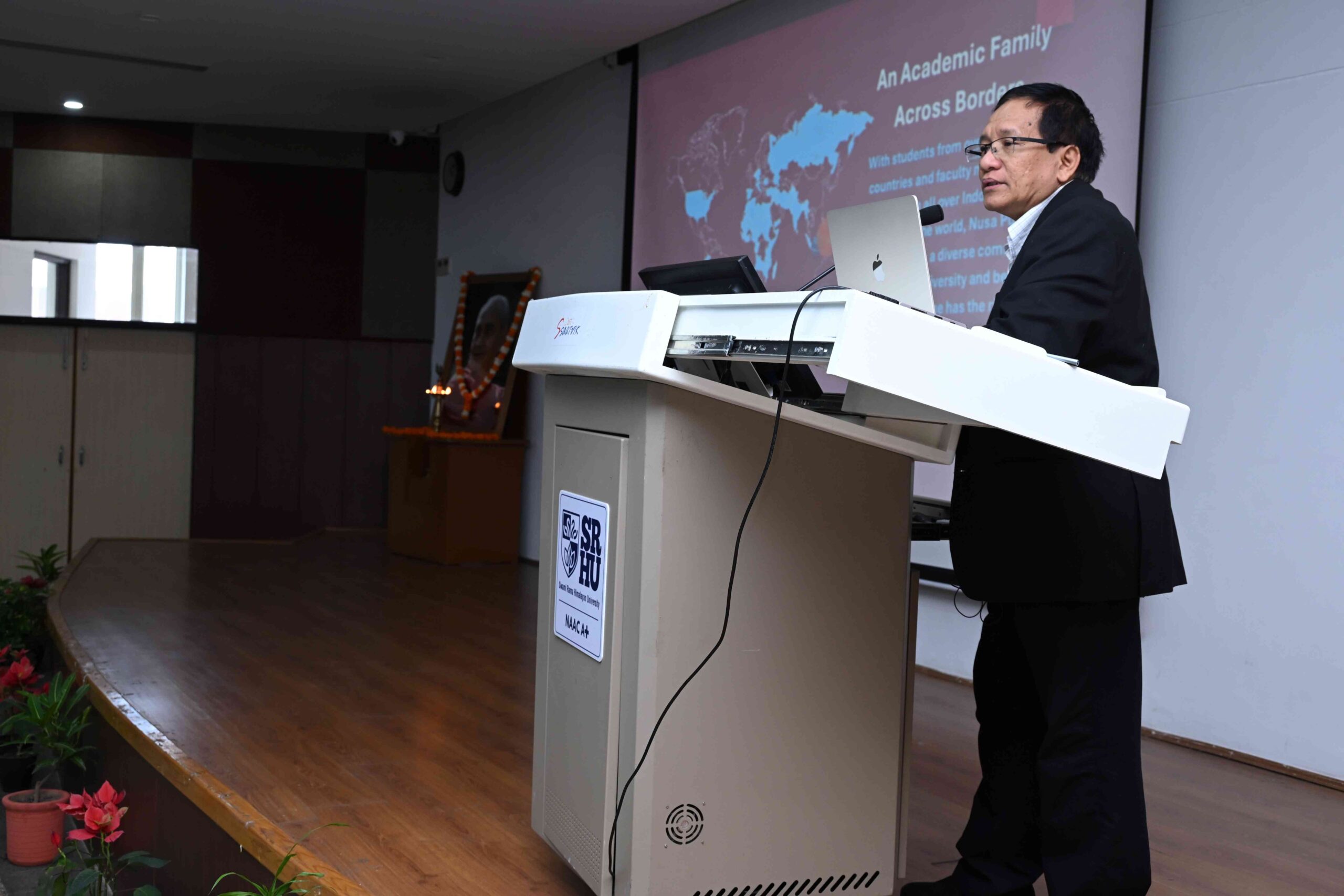
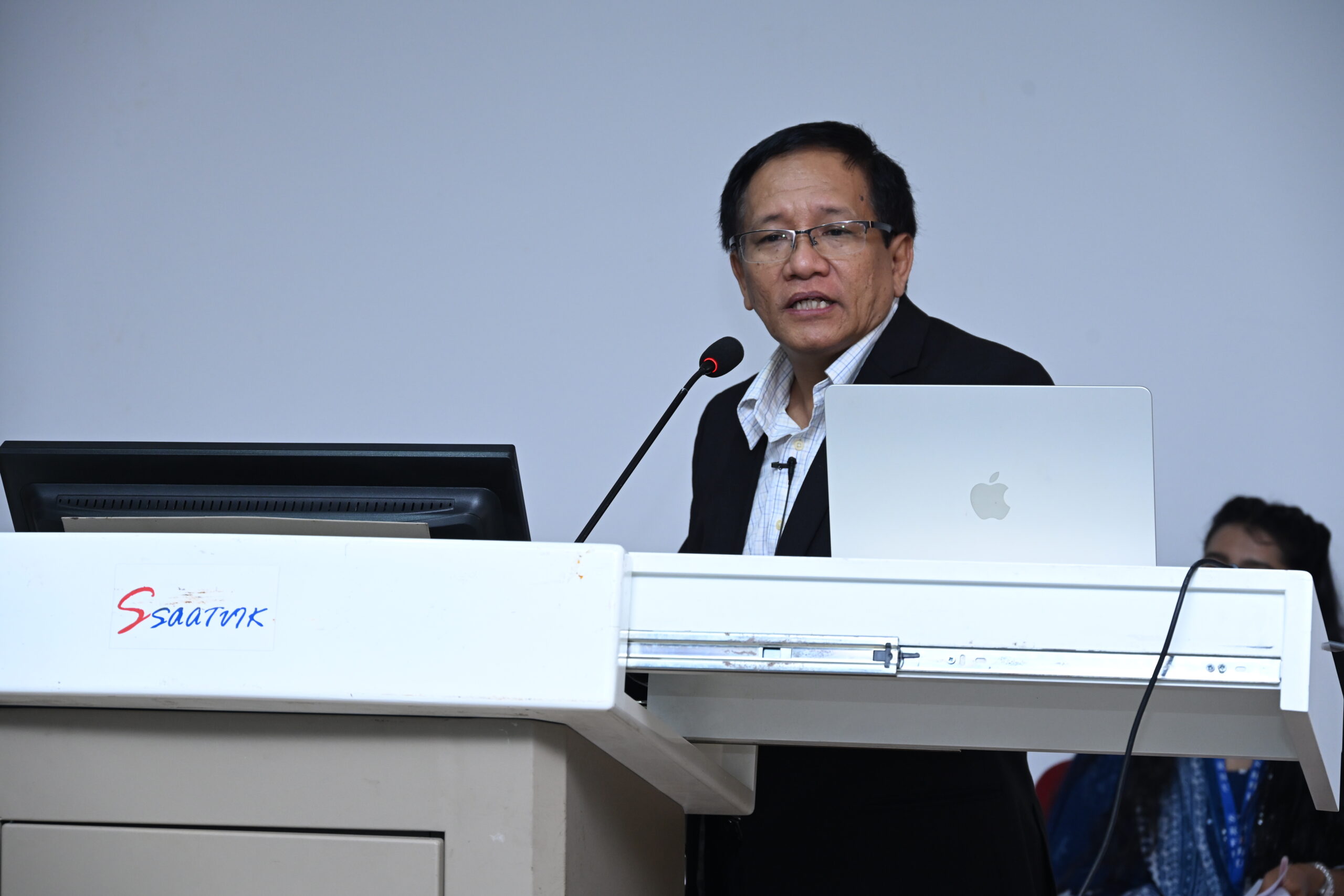
During the lecture, Prof. (Dr.) Teddy Mantoro elaborated on the concept of deepfakes, explaining how AI-driven models such as deep learning and generative adversarial networks (GANs) are used to create highly realistic synthetic media. He discussed both the positive applications of AI in areas such as education, healthcare, and entertainment, as well as the potential risks, including misinformation, identity misuse, and cybersecurity threats.
The session emphasized the importance of ethical AI practices, regulatory frameworks, and responsible innovation to ensure that such technologies are used for the benefit of society. Real-world examples and case discussions helped students gain practical insights into the implications of deepfake technologies.The lecture was highly interactive, with students actively participating in discussions and raising queries related to AI ethics, detection of deepfakes, and future career opportunities in Artificial Intelligence.
The event concluded with a formal vote of thanks delivered by Dr. Pramod Kumar, who expressed sincere gratitude to the distinguished keynote speaker, respected dignitaries, and all participants for their valuable presence and engagement. He also appreciated the efforts of the organizing team for successfully conducting the session and encouraged students to actively
participate in such enriching academic activities.
The session was effectively coordinated by Dr. Ashutosh Bhatt, Associate Professor, School of Science & Technology (SST), whose dedicated efforts ensured the smooth and successful conduct of the event.
Key Outcomes:
- Enhanced understanding of deepfake technology and its underlying AI techniques.
- Awareness of ethical concerns and risks associated with AI-generated content.
- Insight into responsible AI development and regulatory considerations.
- Motivation for students to explore research and innovation in Artificial Intelligence.