
School of BioSciences Facilities & Highlights
August 5, 2025 2026-03-14 5:20School of BioSciences Facilities & Highlights
School of BioSciences
FACILITIES (Centre of Excellence)
Advance Molecular Biology (OMICS Laboratory)
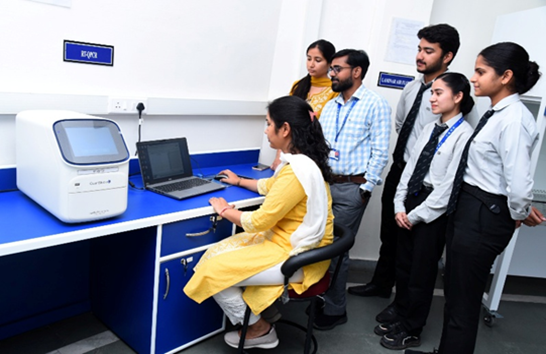
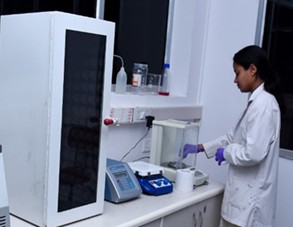
An advanced molecular biology lab is a high-precision, flexible, and technology-driven environment structured for cutting-edge research. Such labs underpin breakthroughs in genetics, diagnostics, therapeutics, and environmental biotechnology—pushing the frontiers of modern biology. The instrumentation includes.
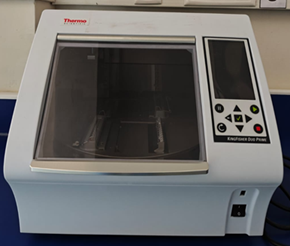
- Automated DNA/RNA Extractor
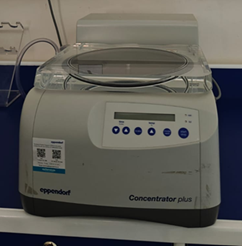
- DNA/RNA Concentrator
- Gel Documentation System (Gel Doc)
- Gradient PCR Real-Time PCR (qPCR)
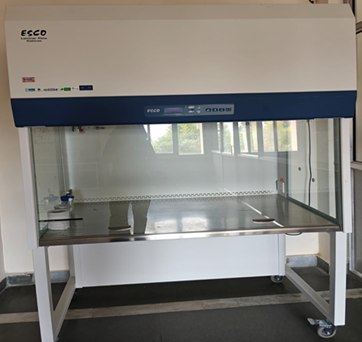
- Molecular Biology Workstation,
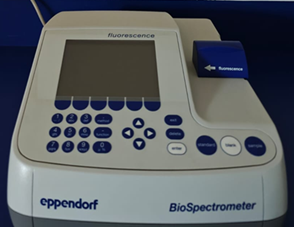
- Bio-Spectrophotometer with Nanodrop and Fluorescence
- Advance Microscope with Camera
- Vertical Electrophoresis Unit
- Horizontal Electrophoresis Unit
- -80°C Deep Freezer
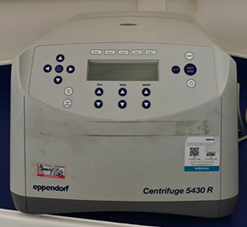
- Temperature-Controlled Centrifuges
Cancer Biology and Immunology
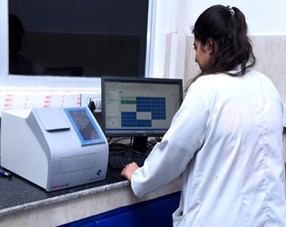
The lab was set up through Department of Health Research (DHR), Ministry of Health and Family Welfare. GOI, New Delhi and Swami Rama Himalayan University (SRHU) joint funding. We maintain more than seven cancerous cell lines like Lungs, Liver, Breast, Skin and Macrophages in this lab. The lab focuses on cancer biology, epigenetic study on cancer, cancer Immunology and cancer biomarker discovery. Integrating cancer biology with immune response insights transforms how we detect, treat, and monitor cancer. In last one year lab has secured 2 Intramural and 1 extramural (Industry) funding. The instrumentation includes
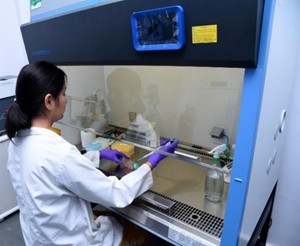
- Biosafety Cabinet Level-2
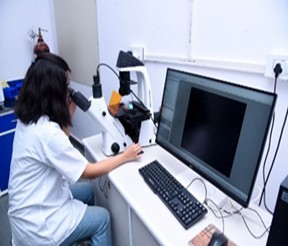
- Inverted cum Fluorescence Microscope
- CO₂ Incubator
- Microplate Reader
- Probe Sonicator
These Centre for Excellence (CoE) is a premier academic and research initiative established to foster innovation, interdisciplinary research, advanced training, and translational outcomes in frontier areas of Life Sciences and Environmental Studies. It acts as a nucleus for capacity building, industry collaboration, and societal impact, aligning with national missions and global sustainable development goals (SDGs).
- To integrate cutting-edge research, high-end instrumentation, and skill-based education
- To promote applied research and product development in biotechnology, food safety, health, and the environment
- To facilitate policy-relevant research, rural technology dissemination, and industry partnerships
Beside the two Centre of Excellence, the School have eight state-of-the-art laboratories catering to students and researchers in Biotechnology, Biochemistry, Microbiology, Environmental Sciences, and Food Sciences.
- Molecular Biology Laboratory
- Biochemistry Laboratory
- Microbiology Laboratory
- Plant Tissue Culture Laboratory
- Algal Culture Lab
- Aquatic Toxicology Lab
- Mushroom Cultivation Laboratory
- Bioinformatics Laboratory
HIGHLIGHTS
- Curriculum aligned with NEP 2020: Outcome based Education
- Emphasis on lab skills, project work, and industry exposure
- Internships with industries, research labs, and NGOs
- Interactive, Integrative, Innovative learning and Entrepreneurship
- Research-driven curriculum with thesis/dissertation work
- Opportunities for collaboration with research institutes and industries
- Infrastructure & Facilities: Sophisticated and advanced Instrumentation
- Industry Linkages and Career Prospects
- Mentorship & Personality development Programs