
Energy Management at Swami Rama Himalayan University integrates renewable energy solutions, energy-efficient technologies, and sustainable practices across the campus.
Through large-scale solar installations, advanced HVAC systems, LED retrofitting, and sensor-based automation, the University actively reduces its carbon footprint while modelling responsible energy stewardship. Beyond implementation, SRHU’s research ecosystem contributes to innovative energy technologies and circular economy models, reinforcing its leadership in the transition to a low-carbon future.
Solar Power Systems – Rooftop Solar Energy
Over the past three years, the University has maintained and expanded its rooftop solar power infrastructure, increasing installed renewable energy capacity to 2,500 kWp in 2024–25. During this period, the solar power systems generated 7,078,763 kWh of clean energy. In 2024–25 alone, renewable energy contributed 17.43% of the University’s total electricity consumption, reflecting the institution’s continued commitment to sustainable energy use and reduction of dependence on conventional grid electricity.
| Financial Year | Total Electricity Consumed (Grid + RE) | Total Renewable Energy (RE) Power Installed(Solar + Wind + Others) | Total Electricity Generated by RE Technology(Solar + Wind + Others) | Total Built-up Area |
|---|---|---|---|---|
| Unit | (kWh) | (kWp) | (kWh) | (Sq. ft.) |
| 2024-25 | 16000458 | 2500 | 2909058 | 2758226.13 |
| 2023-24 | 15095337 | 1500 | 2075865 | 2634265.77 |
| 2022-23 | 14949496 | 1500 | 2093840 | 2634265.77 |
Rooftop Solar Power Plant at SRHU
Demonstrating long-term commitment, SRHU commissioned a 1 MW rooftop solar power plant on 17 August 2024 under a Power Purchase Agreement with M/S Baskhi Engineering Works. The plant spans approximately 4,500 sq. m. and is projected to generate 136,435 kWh per month, significantly reducing reliance on fossil fuels.
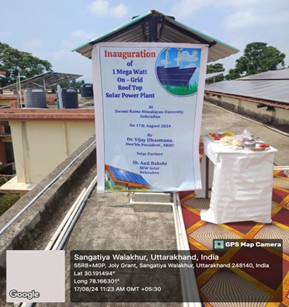
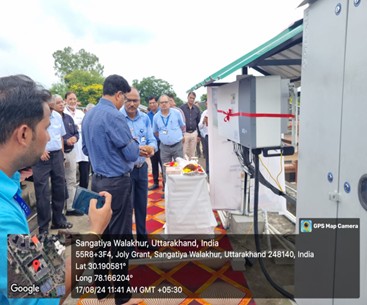
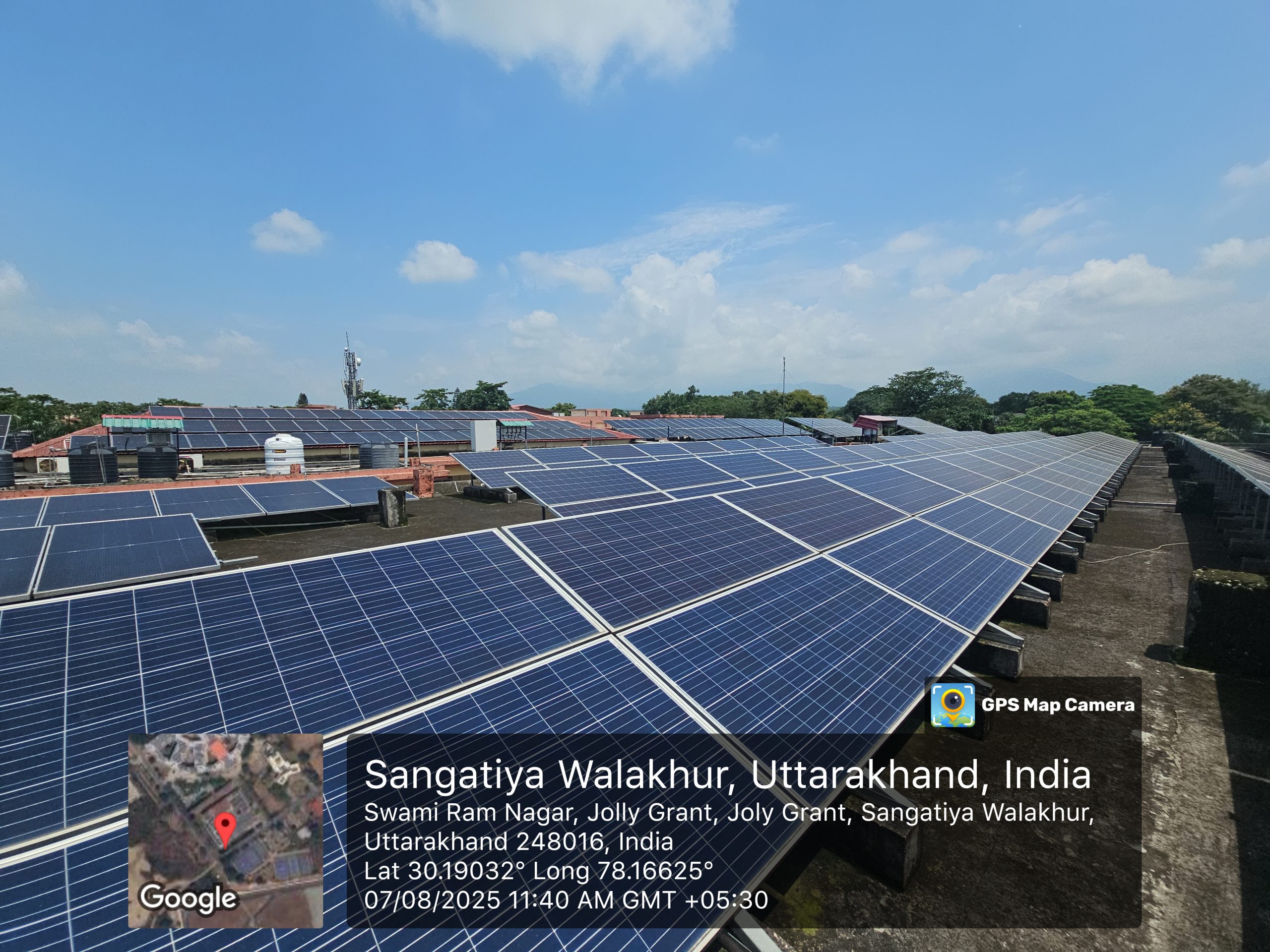
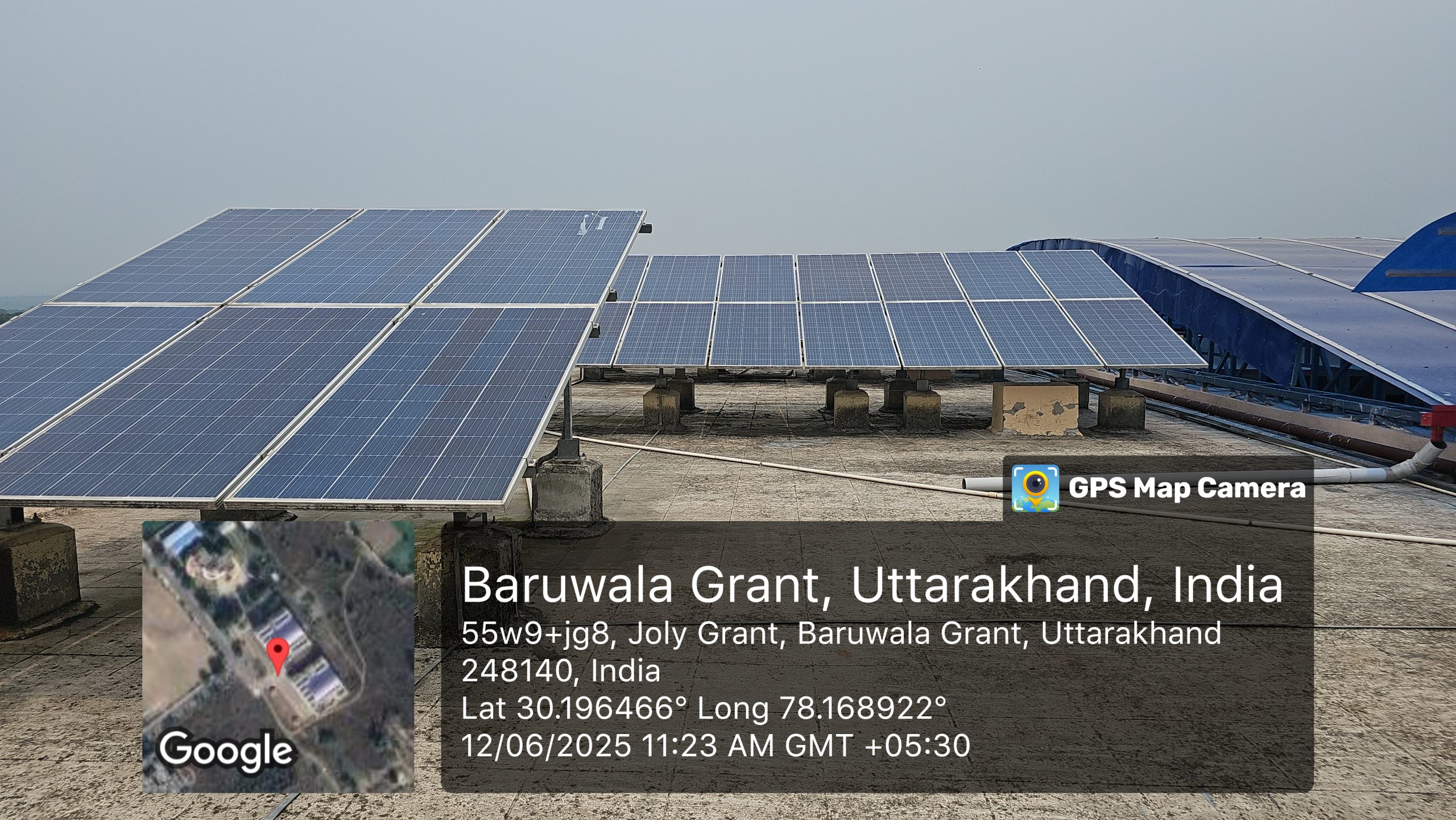
Rooftop Solar Power Plant at SRHU
Rooftop Solar Water Heater Plant
Renewable energy has been integrated into SRHU’s healthcare and residential infrastructure through a 50,000 litres per day (LPD) solar water heating system, replacing conventional energy sources across hospitals and hostels.
Energy and Cost Savings Achieved:
- Annual electricity savings of approximately 7,50,000 kWh
- Thermal energy savings exceeding 8,100 GJ over the last three years
- Cumulative savings of 22,50,000 kWh and approximately ₹1.28 crore
Year-wise Financial Savings:
- ₹41.40 lakh in 2022–23
- ₹46.87 lakh in 2023–24
- ₹54.75 lakh in 2024–25
These initiatives were supported by a subsidy of ₹24.78 lakh from UPCL over the last three years.
Biogas Plant
SRHU has established an in-house biogas plant with a daily capacity of 4 m³, utilizing cow dung and vegetable waste generated on campus. The biogas is used for cooking in the guest house kitchen.
This initiative saves approximately 685.44 kg of LPG annually, equivalent to 36 commercial LPG cylinders, while promoting circular waste management.
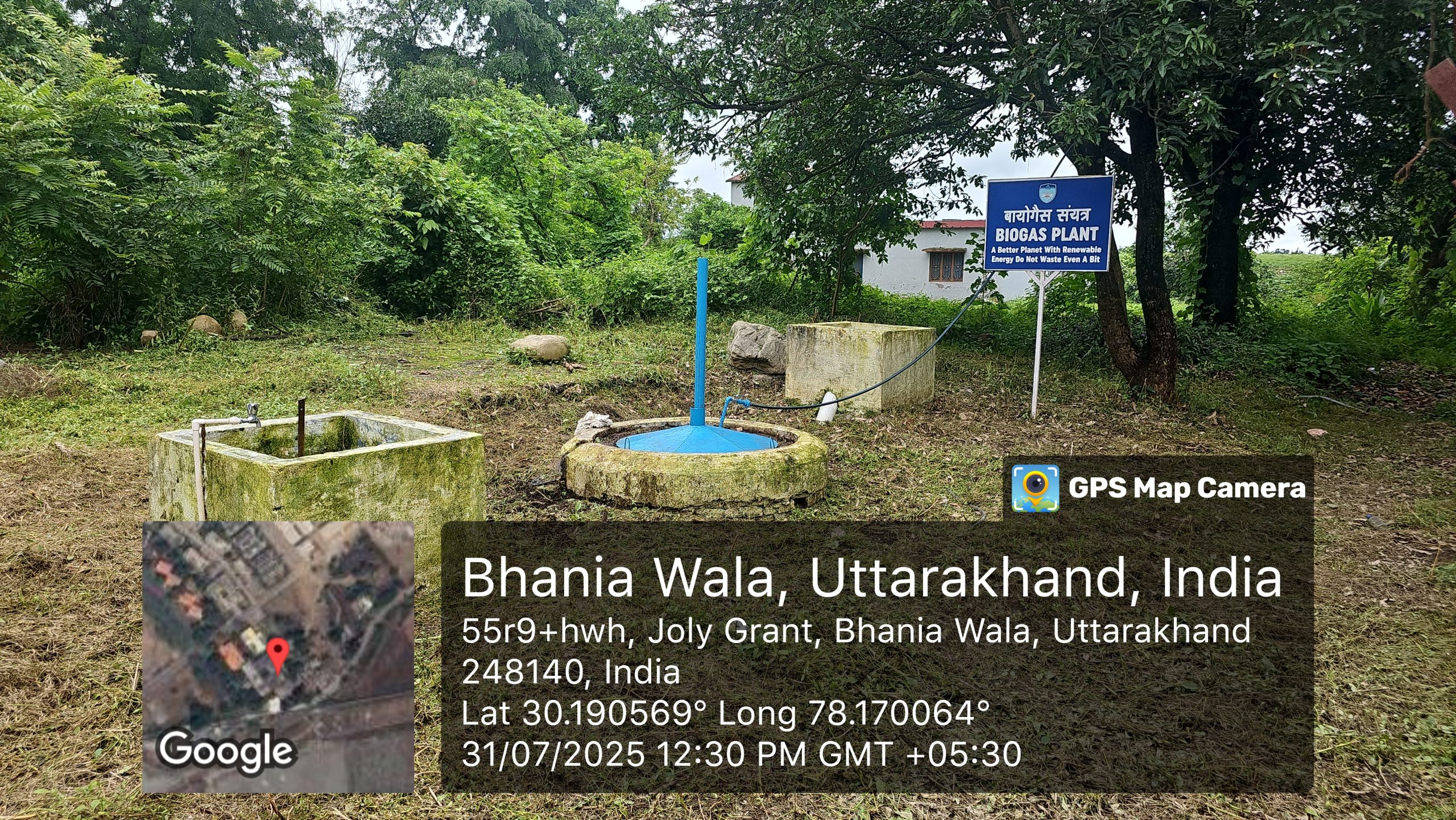
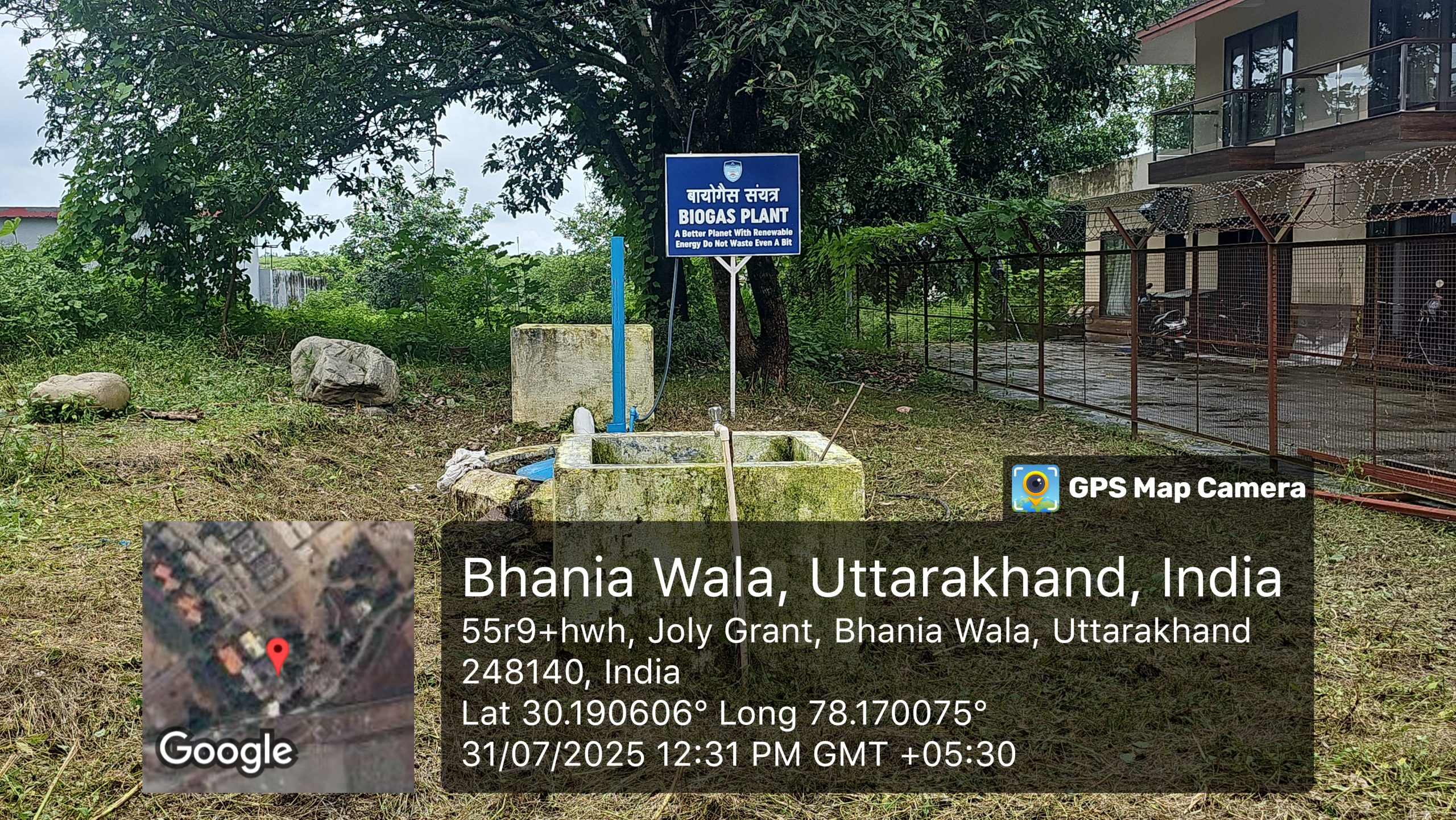
In-house Biogas Plant