
Swami Rama Himalayan University (SRHU) is committed to environmental sustainability through responsible waste management practices aligned with national regulations and global sustainability frameworks. The University adopts an integrated approach to manage solid, organic, liquid, biomedical, hazardous, electronic, and recyclable waste across its academic, residential, and healthcare facilities.
Solid Waste Management
Swami Rama Himalayan University (SRHU) has established a comprehensive solid waste management system that emphasizes segregation at source, safe handling, recycling, and environmentally responsible disposal. The system covers e-waste, plastic waste, biomedical waste, and food waste generated across academic, residential, and healthcare facilities, in compliance with applicable regulatory guidelines.
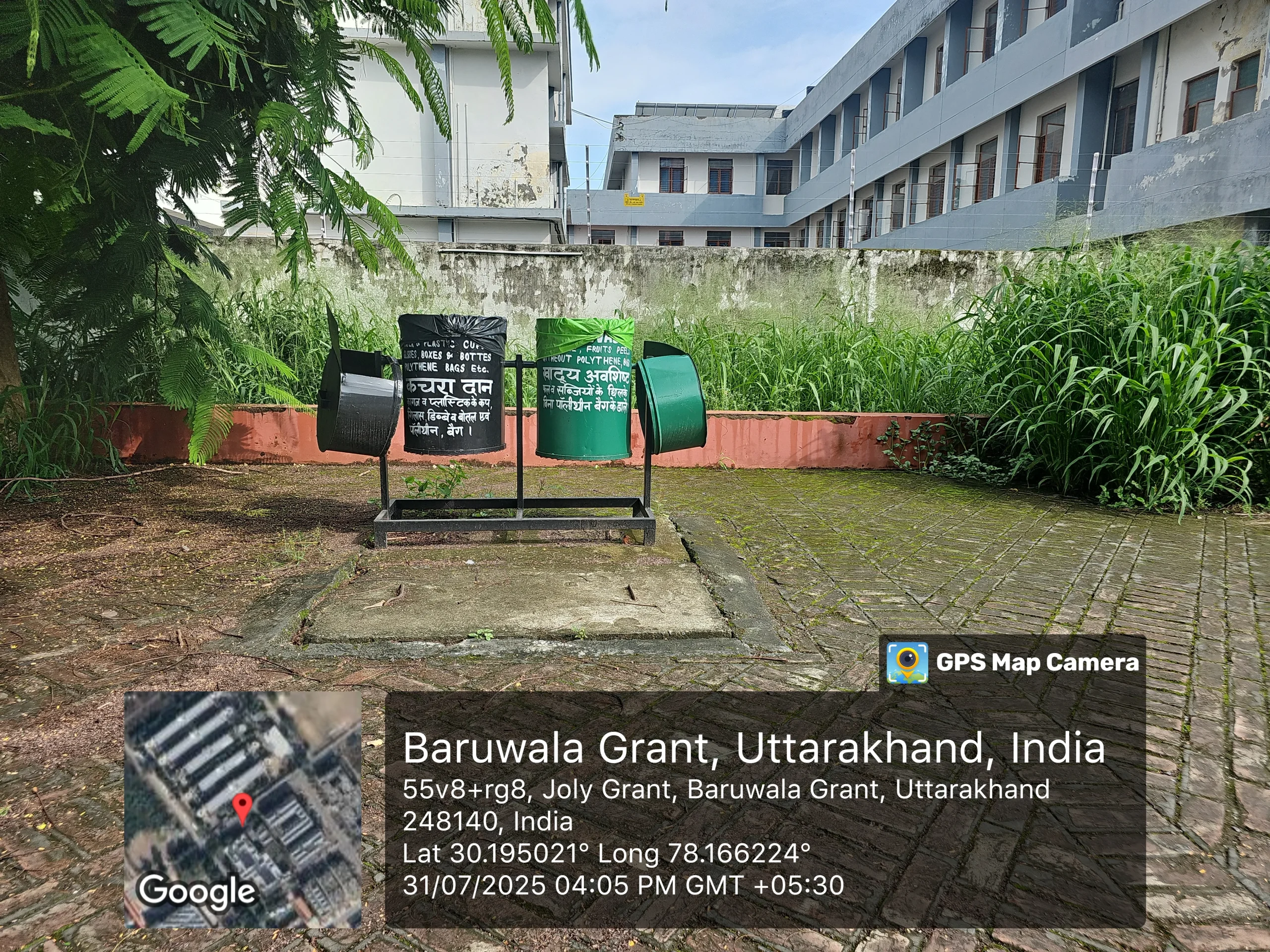
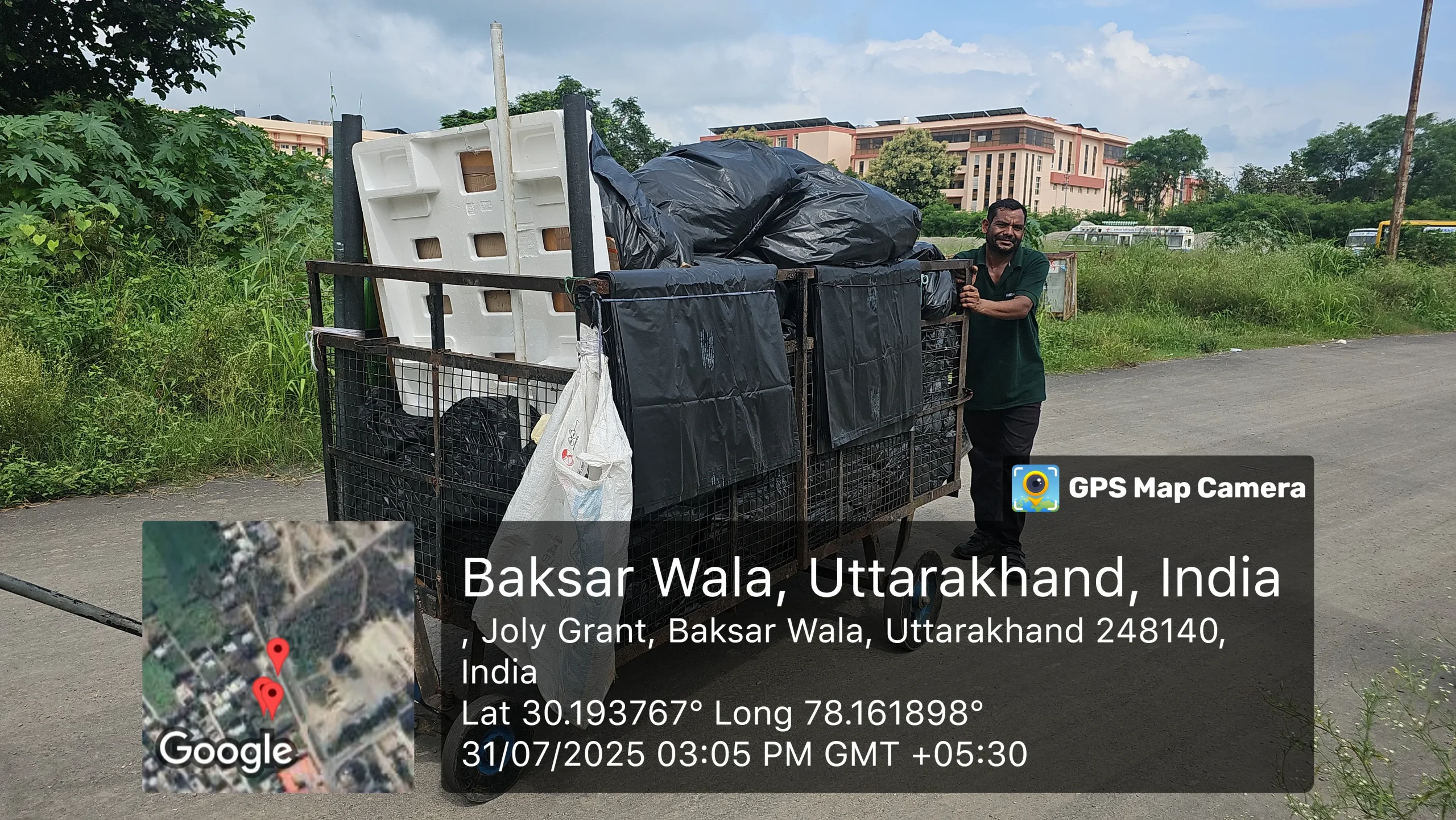
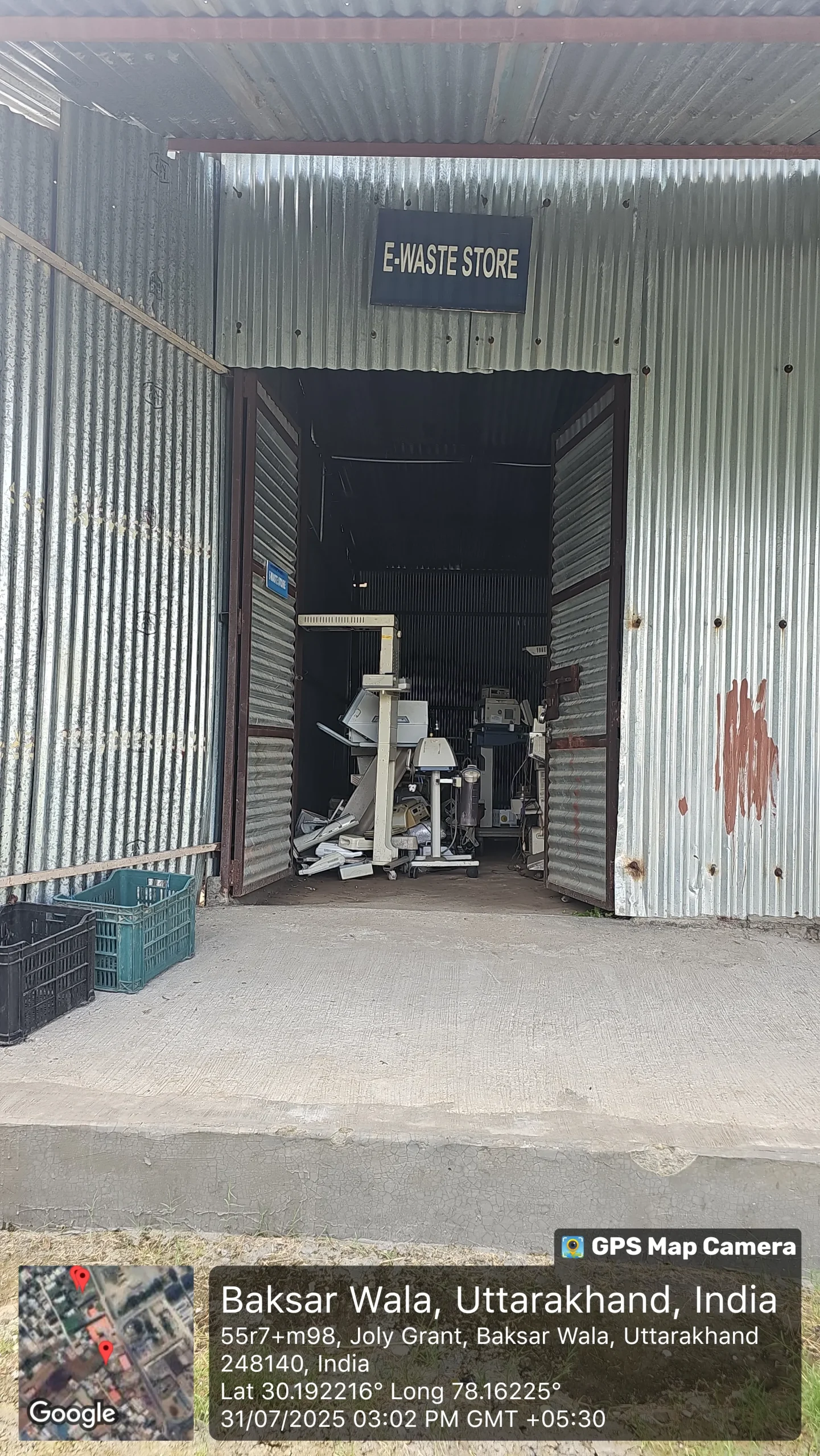
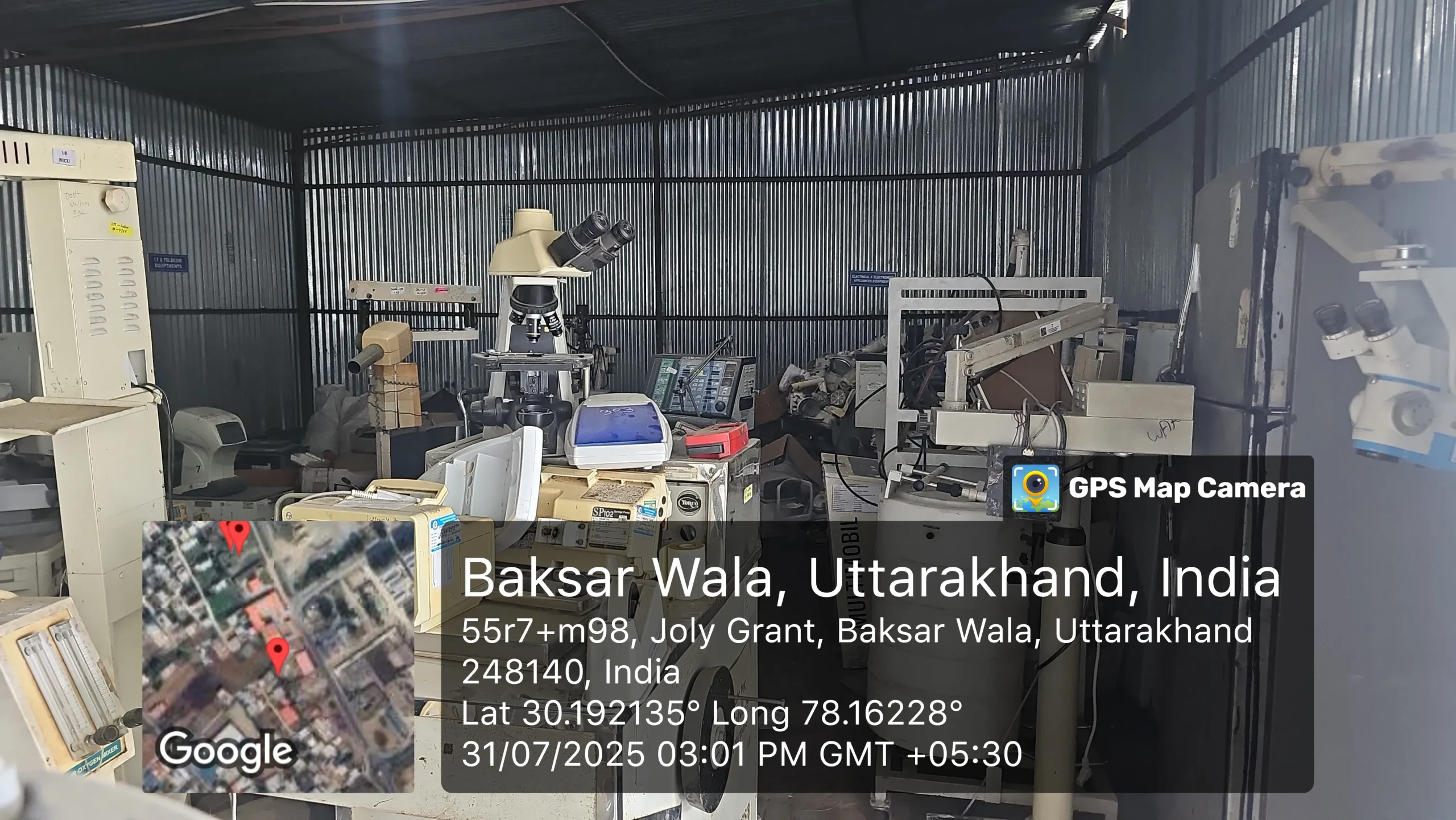
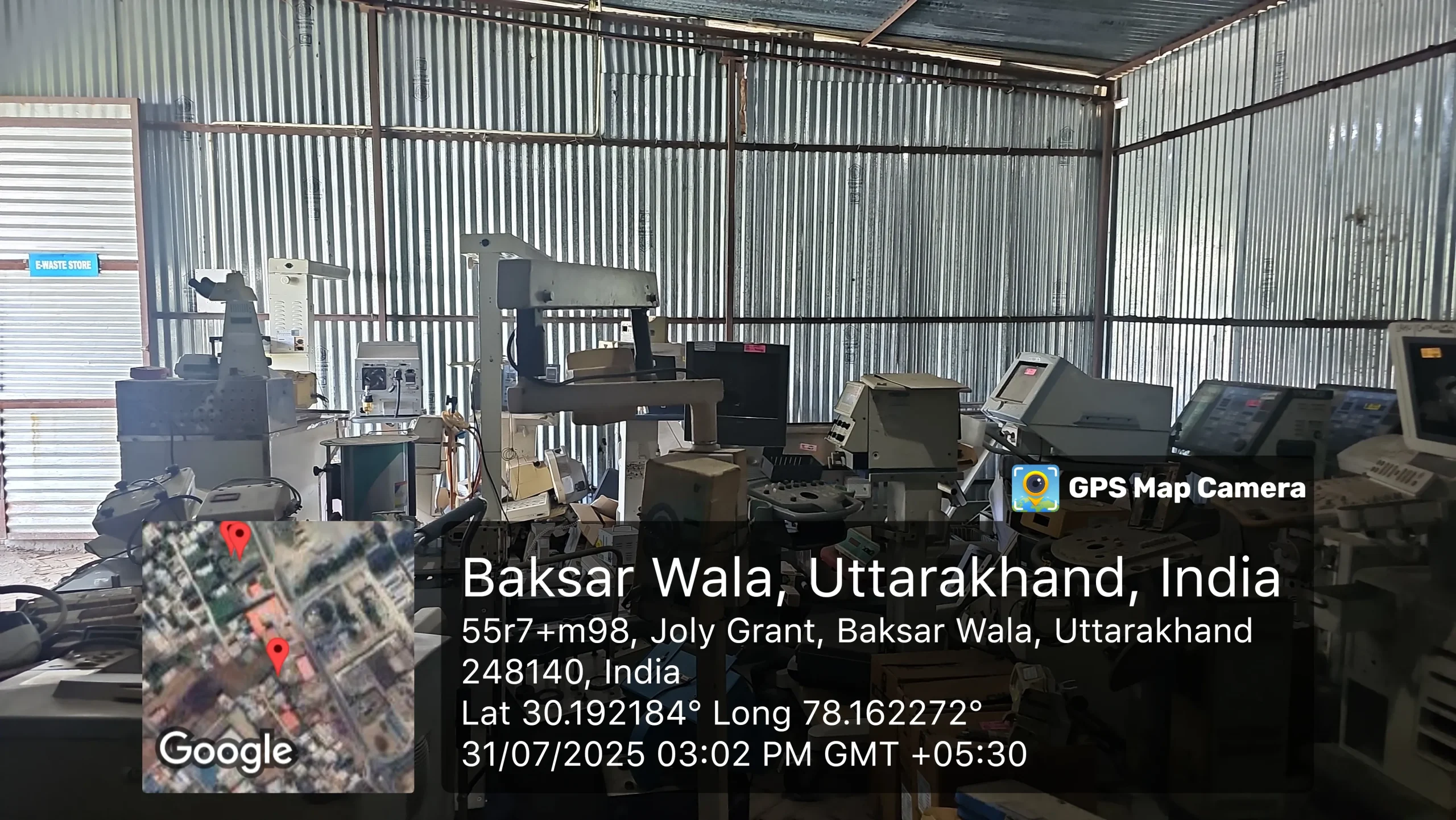
SRHU follows a structured e-waste management policy in accordance with state and national regulations. Obsolete and non-functional electronic equipment, including computers, peripherals, laboratory instruments, and communication devices, is collected from departments and deposited at a dedicated on-campus E-Waste Store.
All electronic waste is processed with IT expert approval to ensure data security and privacy. The collected e-waste is periodically handed over to government-authorized and certified recyclers, who issue disposal certificates to ensure accountability and regulatory compliance.
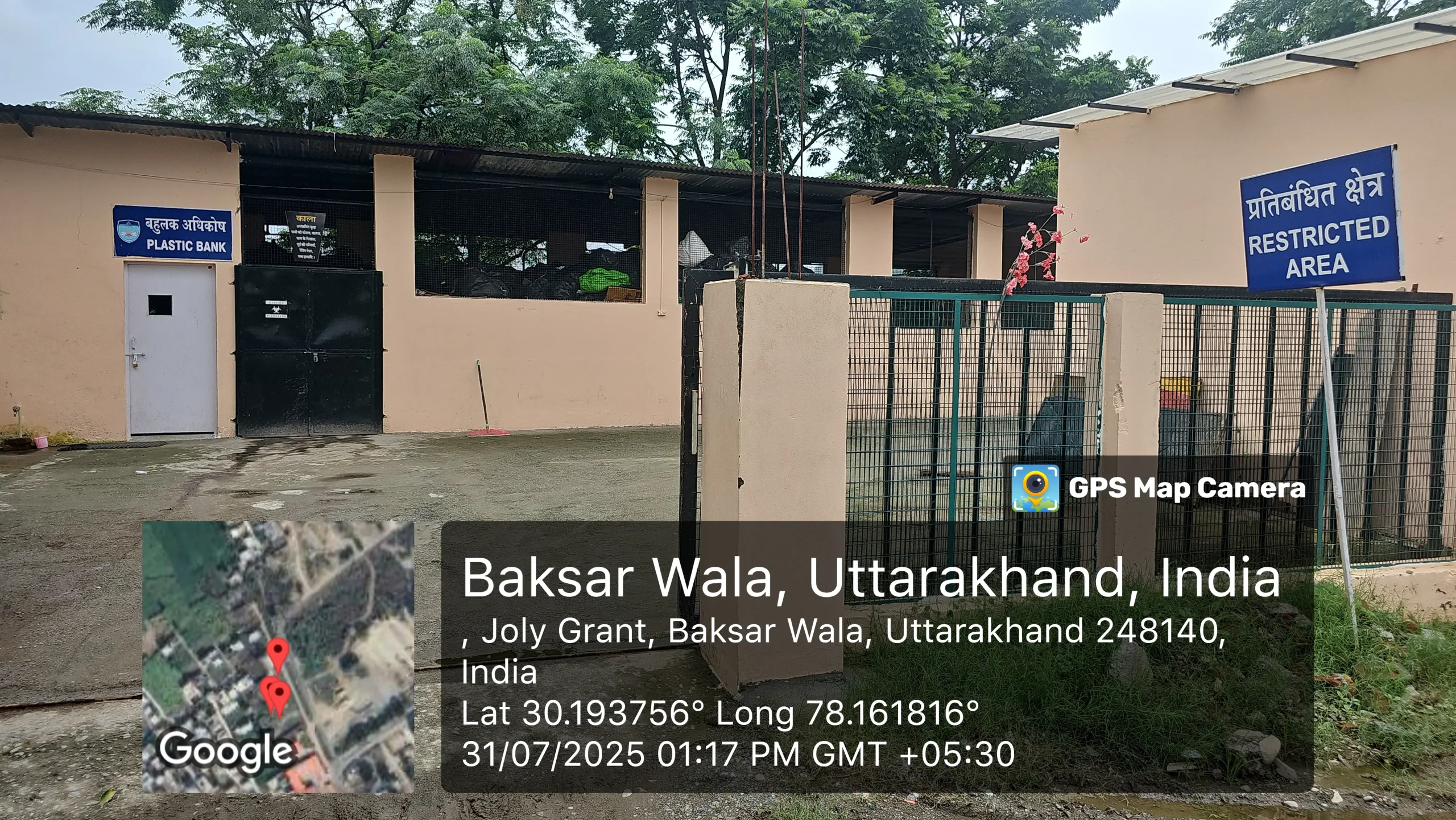
Plastic waste generated on campus is segregated at source using designated bins placed across academic, residential, and hospital areas. Recyclable plastic waste is collected separately and handed over to authorized recycling vendors.
The University discourages the use of single-use plastics through institutional guidelines and awareness programmes. Non-recyclable plastic waste is disposed of through approved channels in accordance with Plastic Waste Management Rules, minimizing environmental pollution.
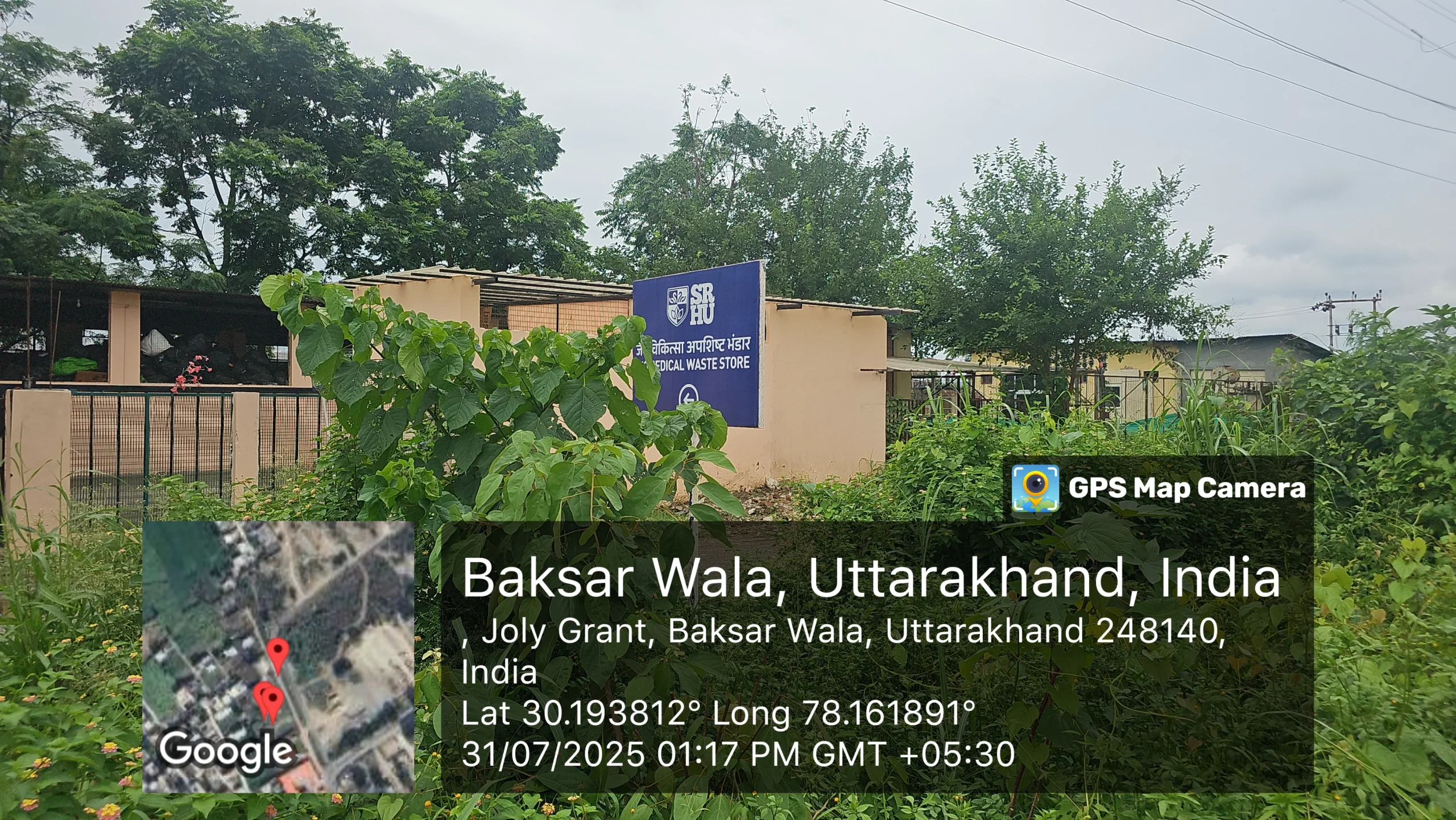
Bio-medical waste generated at the university hospital is managed as per Bio-Medical Waste Management Rules. Waste is segregated at source using color-coded, non-chlorinated bags and bins placed at designated locations in hospital wards, laboratories, and clinical areas.
Plastic disposables are collected in red bags, incinerable waste in yellow bags, and sharps in white translucent, puncture-proof containers. Segregated waste is collected by trained staff and disposed of through an authorized Common Bio-Medical Waste Treatment Facility (CBWTF) approved by the Uttarakhand Pollution Control Board.
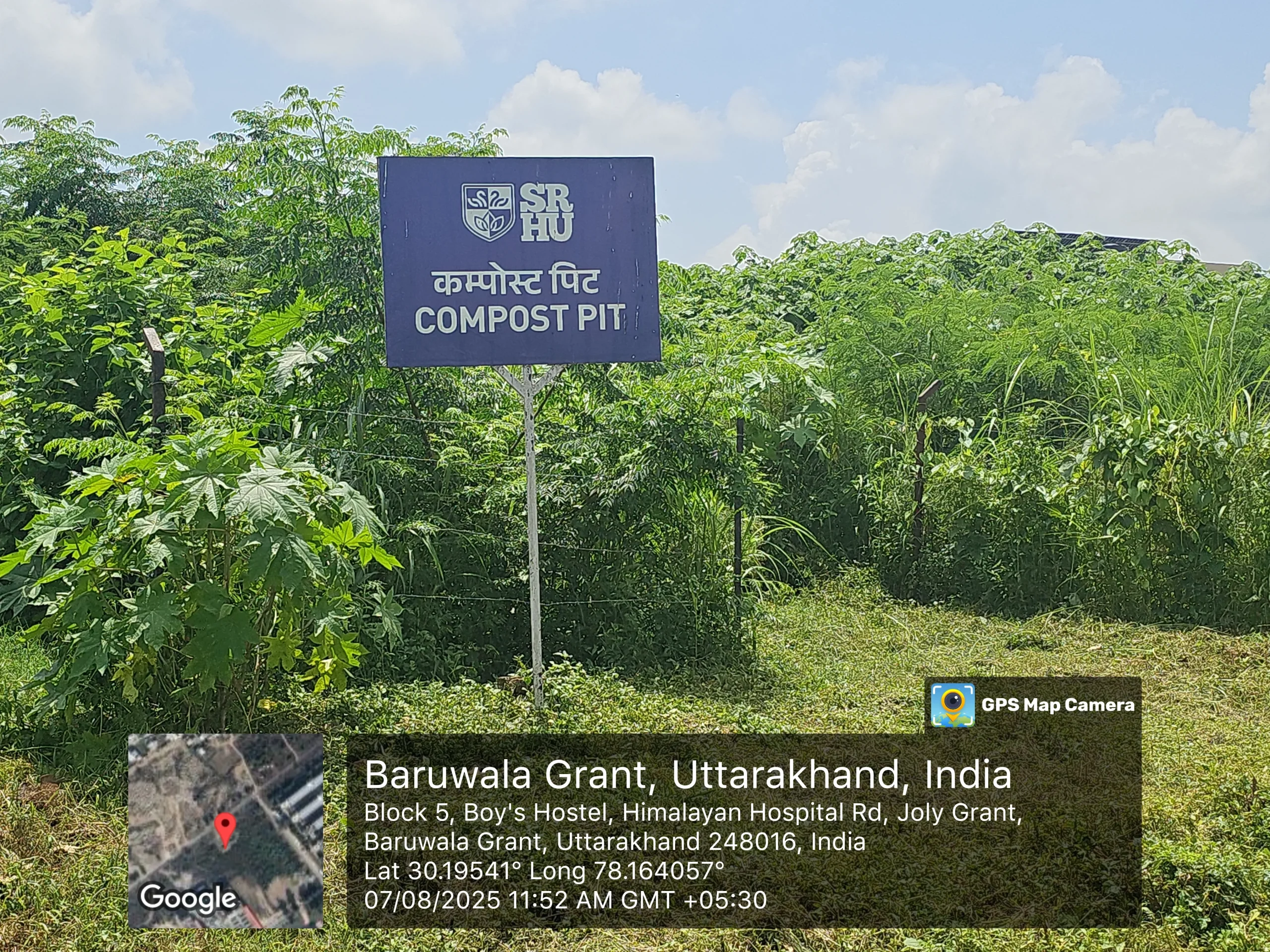
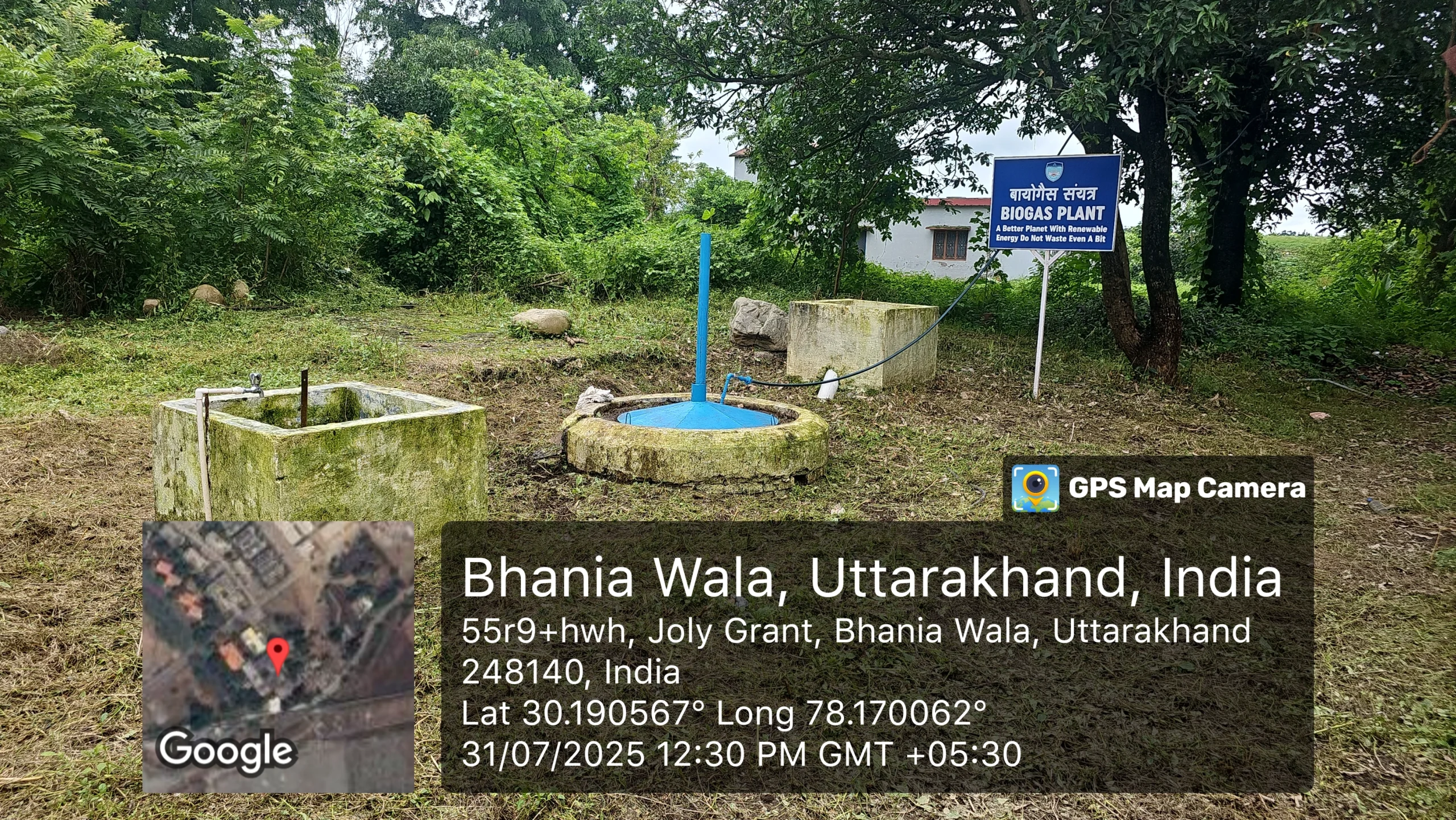
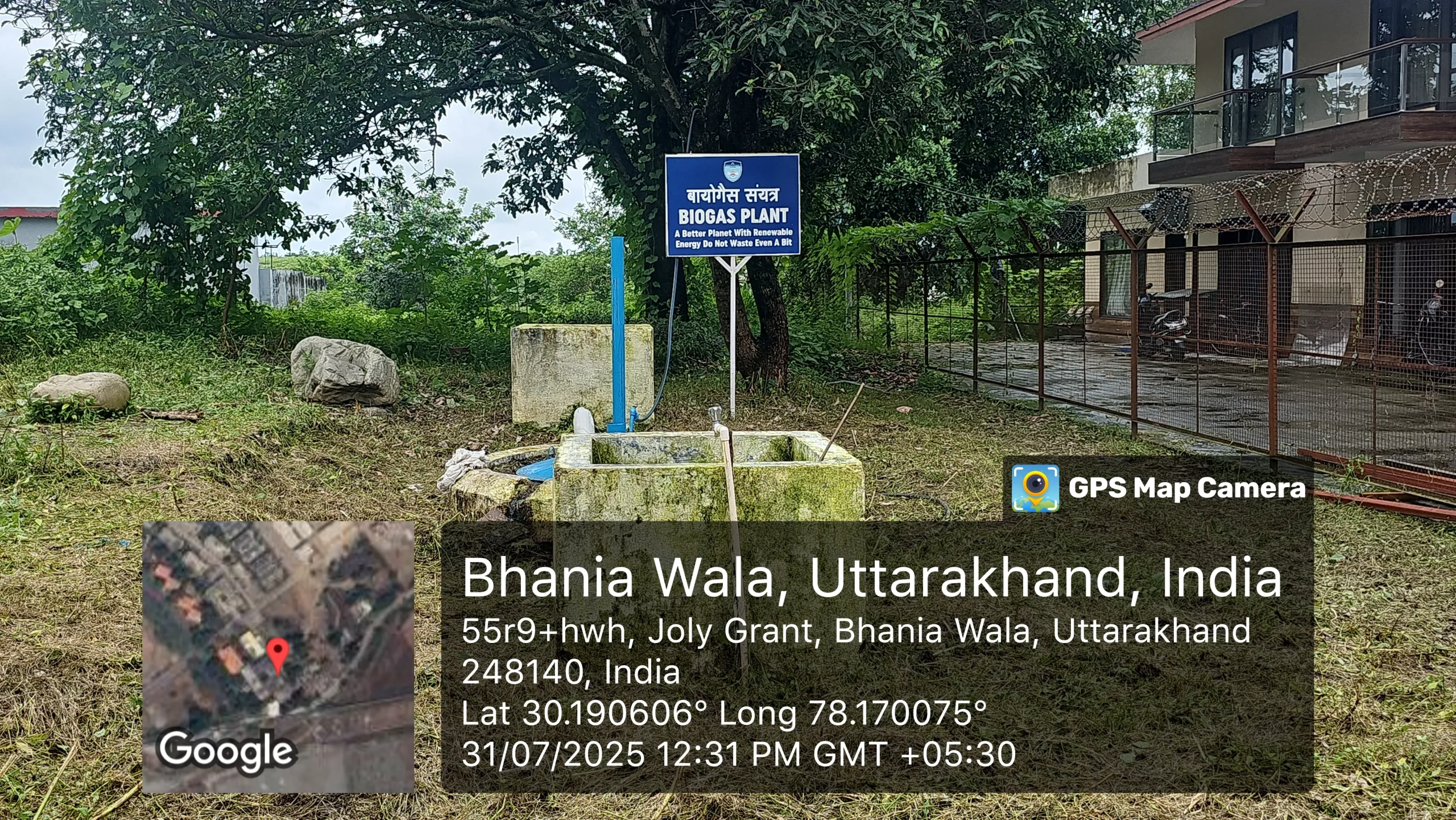
Food and organic waste generated from hostels, canteens, and the university guest house is managed through sustainable and circular practices. Biodegradable kitchen waste is processed through on-campus composting units and an operational biogas plant.
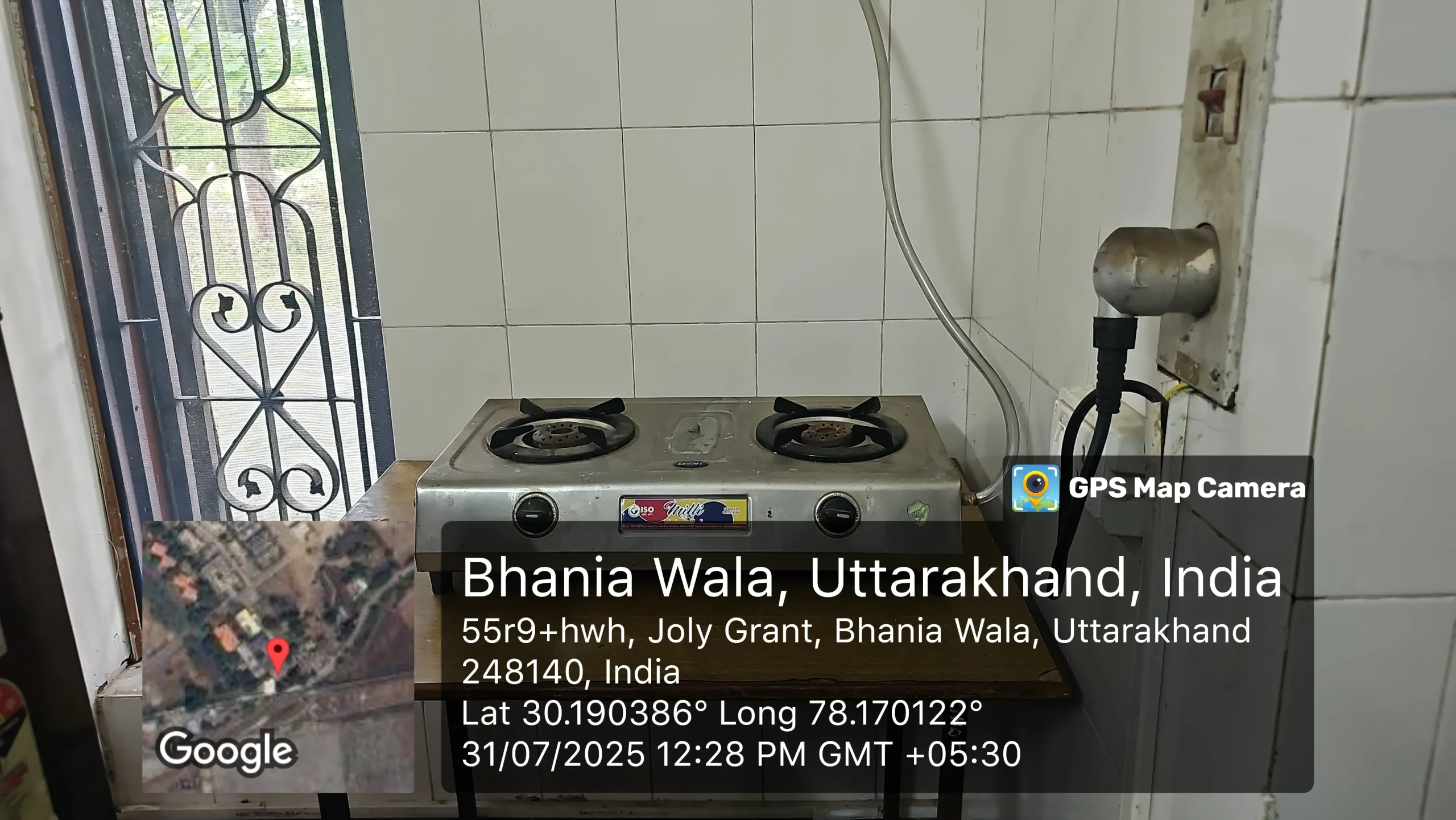
Compost produced is reused as organic manure for campus gardens and nurseries, while biogas generated from food waste and cow dung from the campus dairy is used as a clean fuel for cooking. This system significantly reduces landfill waste and supports renewable energy generation.
Liquid Waste Management
Swami Rama Himalayan University (SRHU) has established a robust liquid waste management system to ensure safe treatment, reuse, and disposal of wastewater generated across its academic, residential, and healthcare facilities. The system is designed to minimize environmental impact, protect public health, and promote sustainable water use in compliance with regulatory standards.
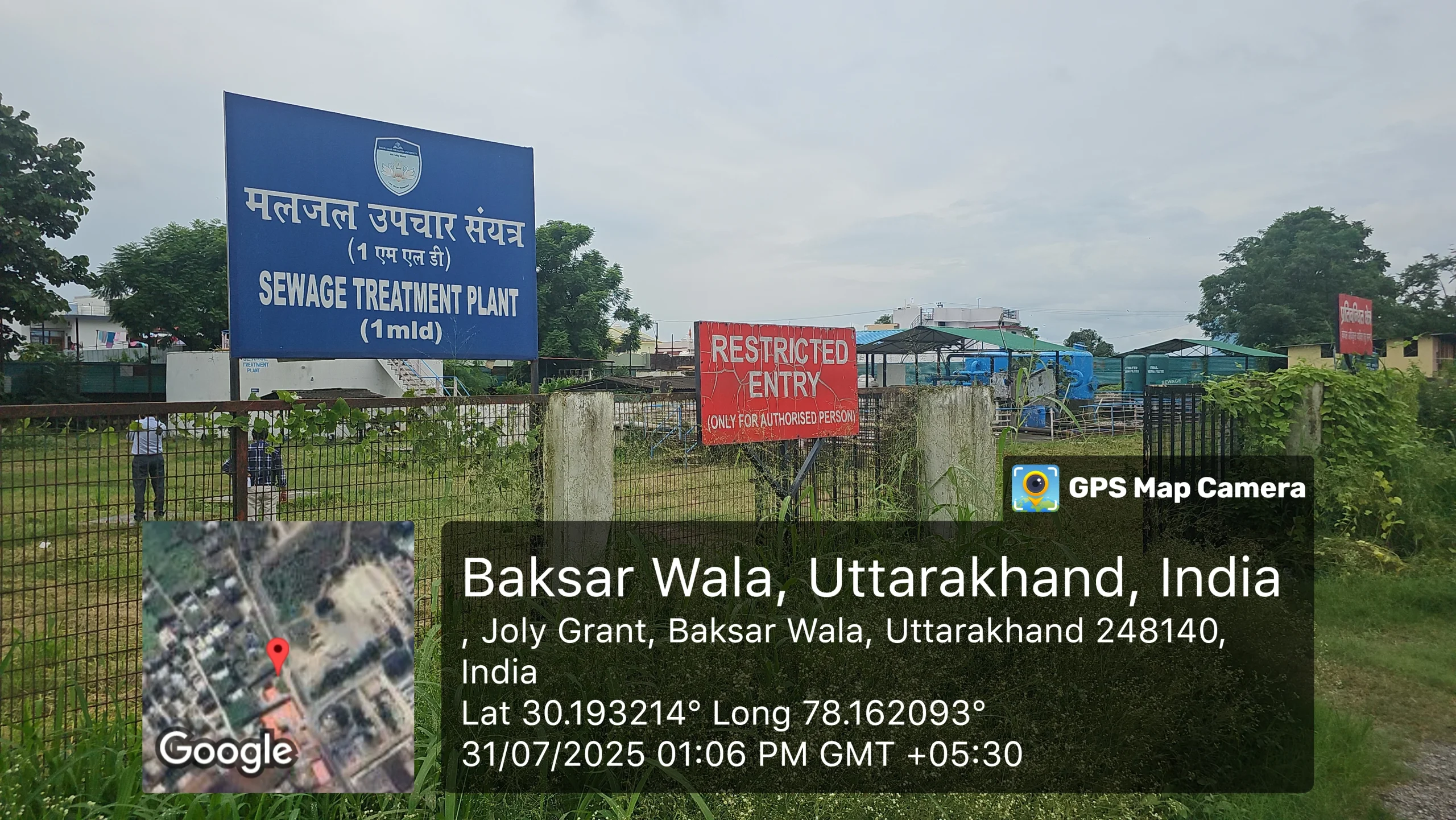
Wastewater Treatment
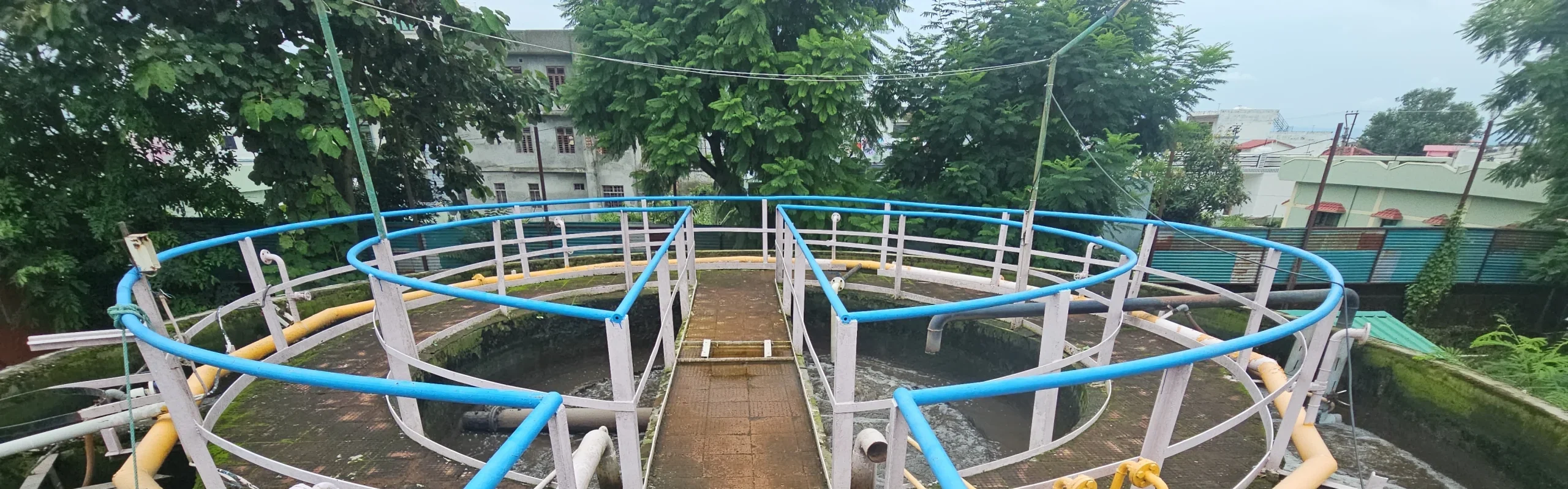
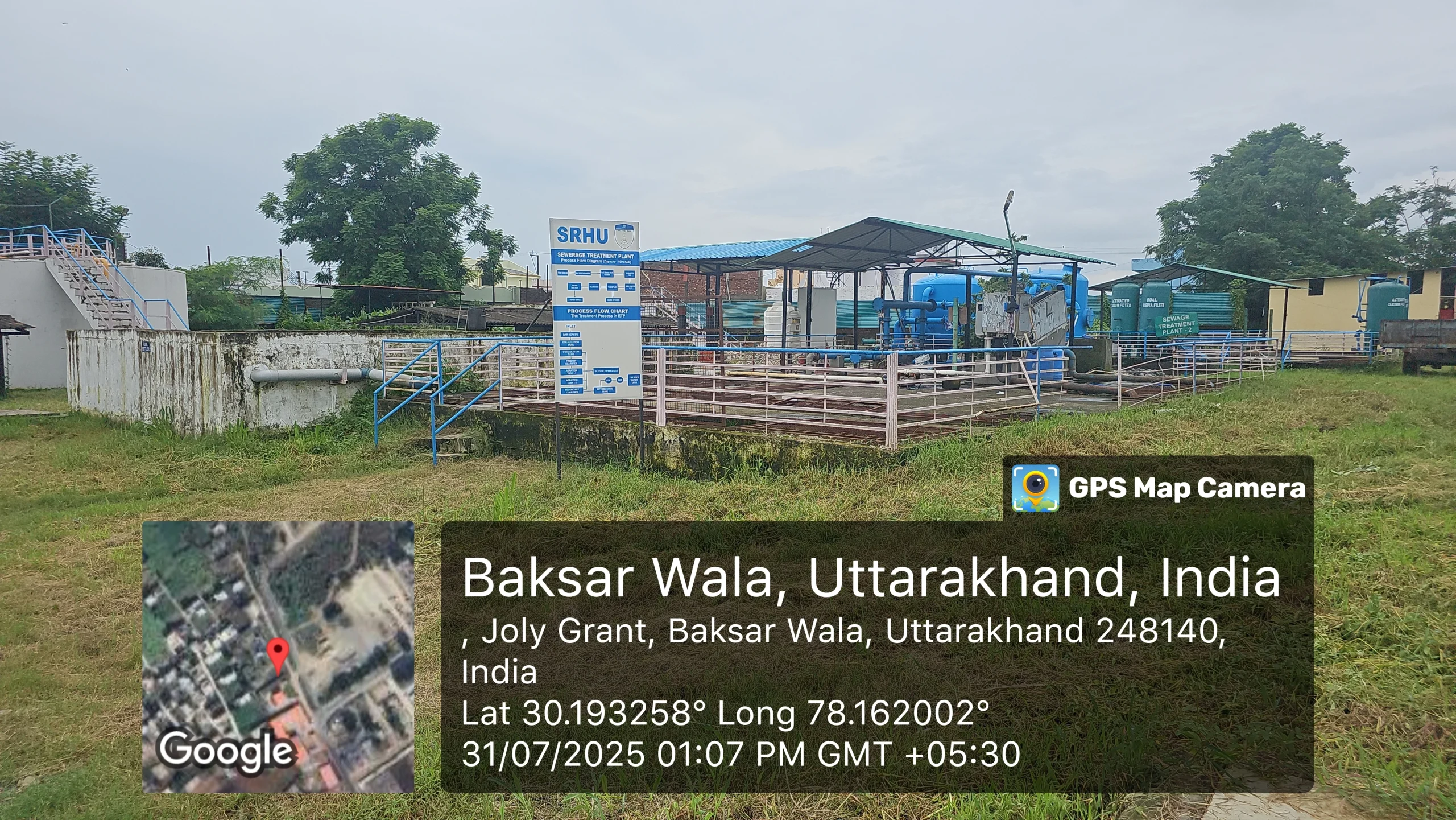
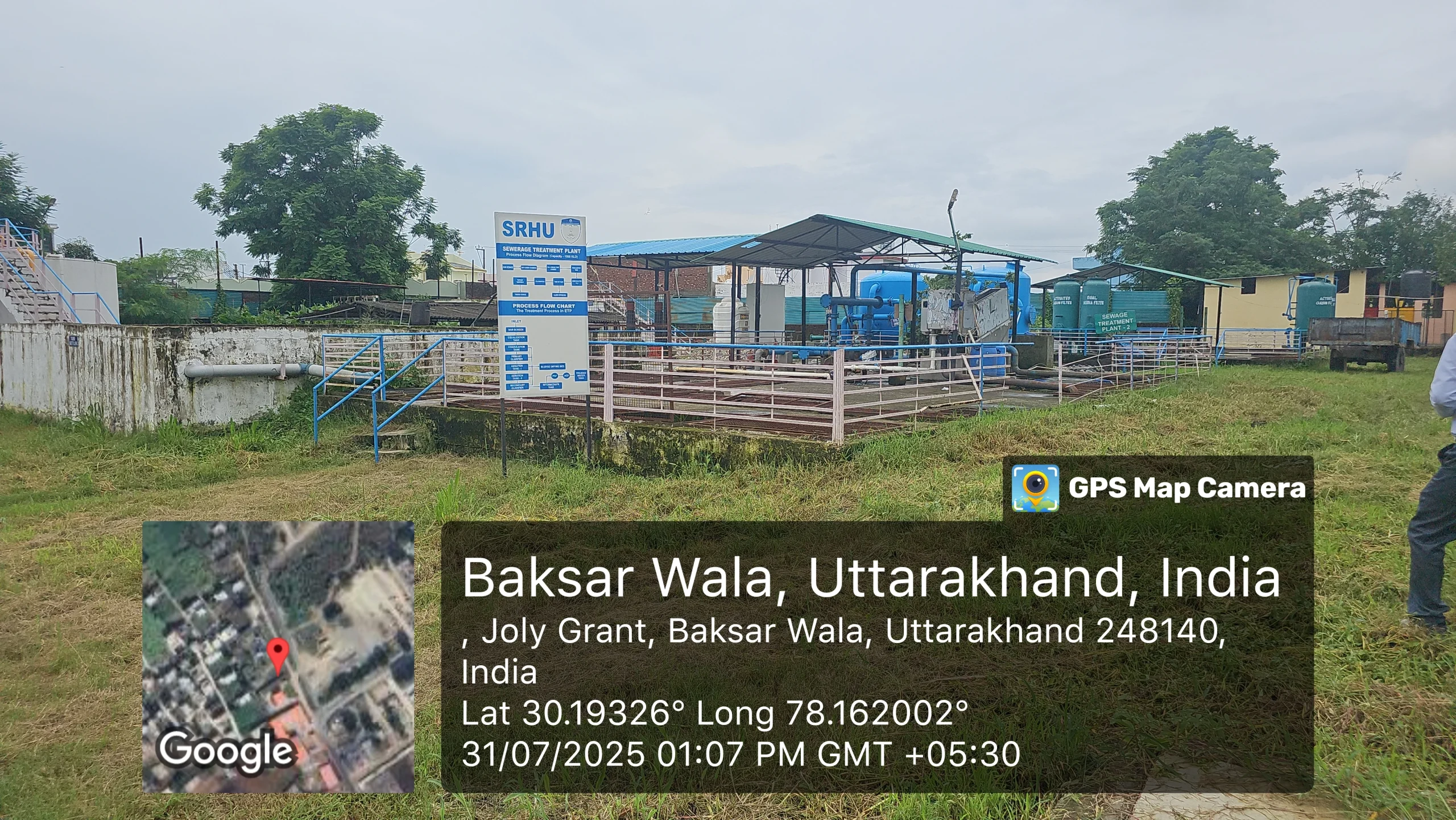
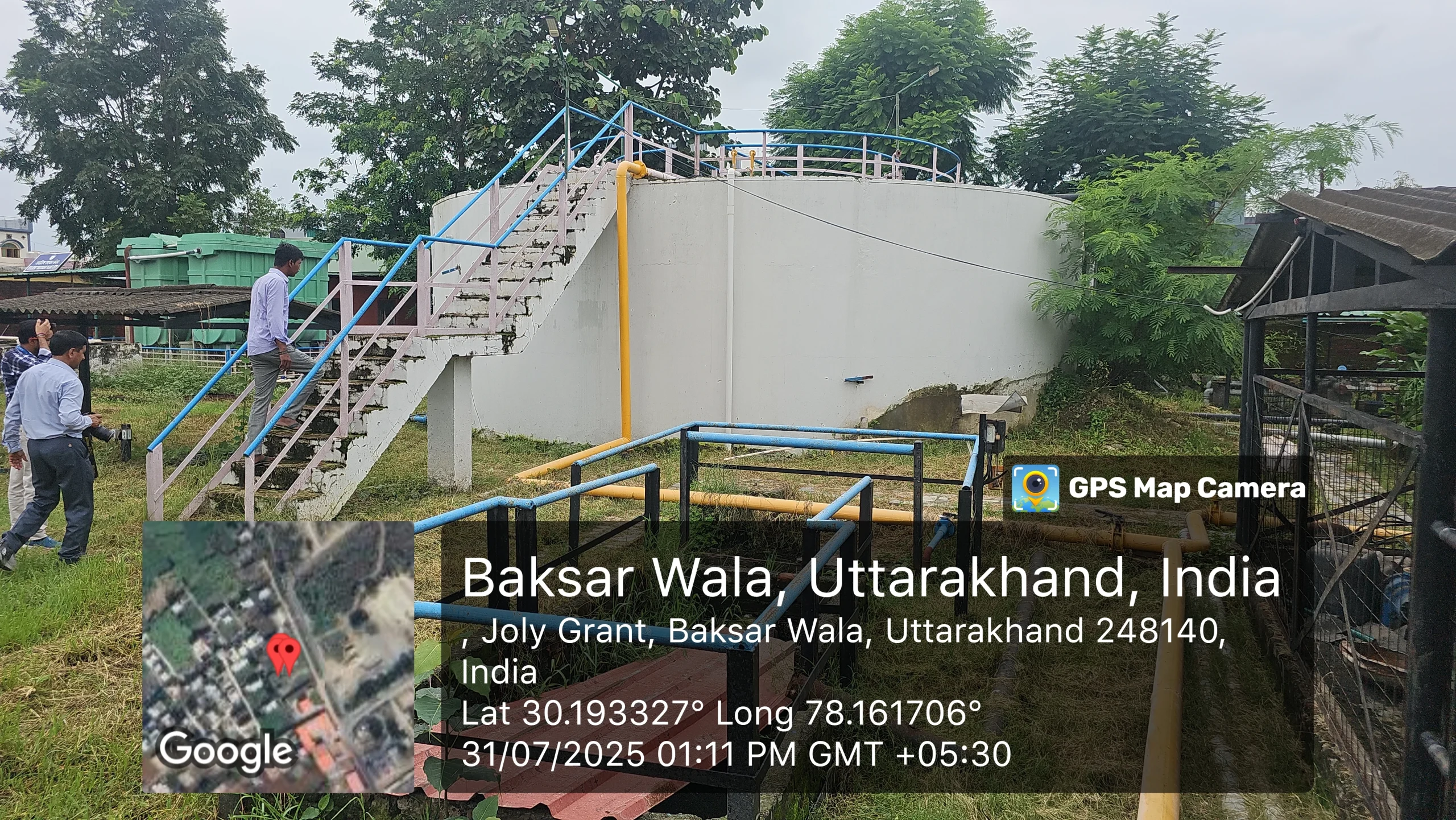
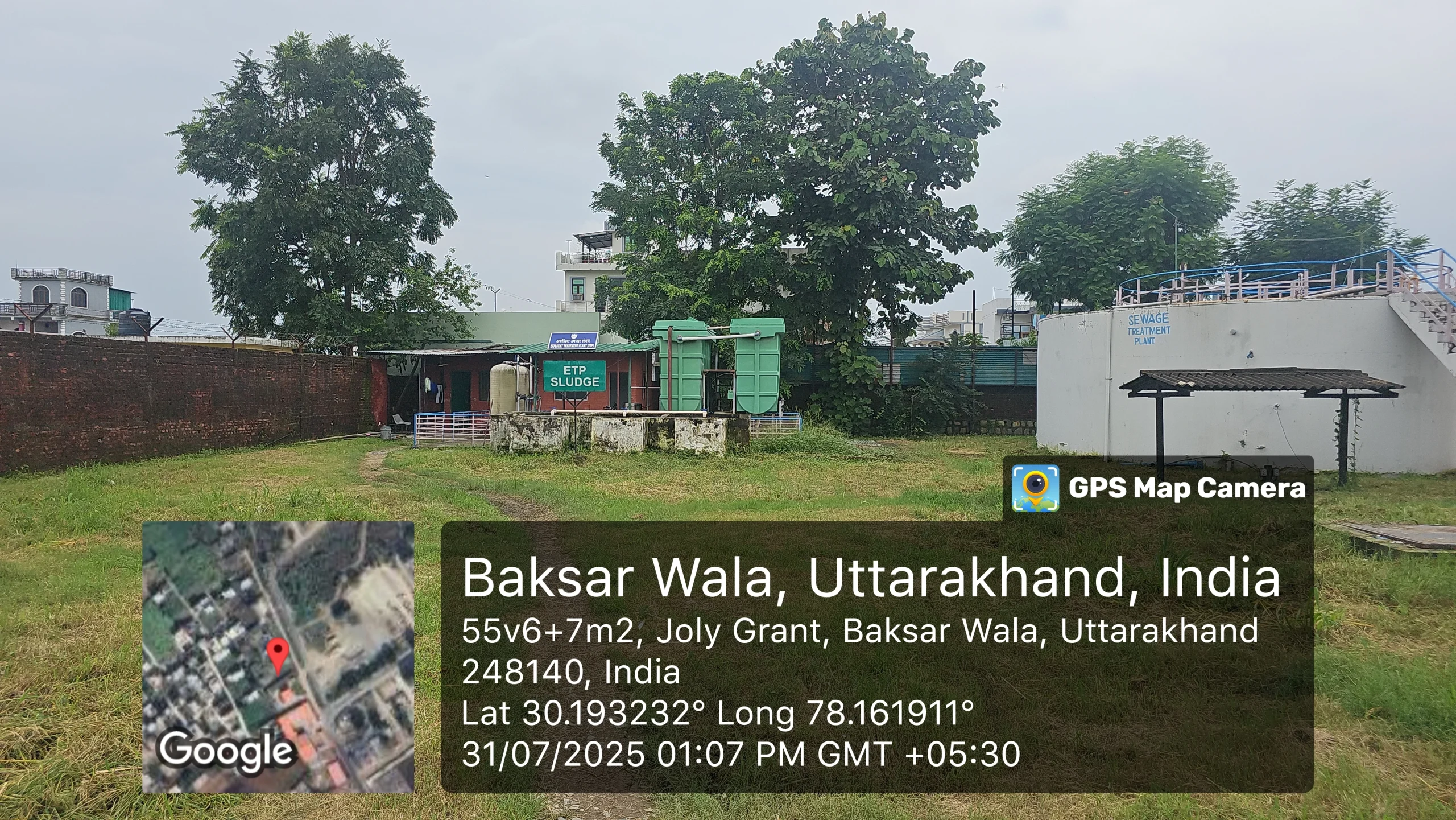
Wastewater generated from laboratories, hospital services, hostels, laundry facilities, and other utility areas is treated through an on-campus Sewage Treatment Plant (STP) with a capacity of 1 million litres per day (MLD). The STP operates using advanced Moving Bed Biofilm Reactor (MBBR) technology combined with an extended aeration activated sludge process, ensuring efficient removal of organic and inorganic contaminants.
To further strengthen wastewater treatment, SRHU operates an Effluent Treatment Plant (ETP) with a capacity of 90 kilo litres per day (KLD) for treating effluent generated from laboratories and other operations involving chemical residues. The ETP effectively removes both toxic and non-toxic substances, ensuring that treated effluent meets the quality standards prescribed by the State Pollution Control Board.
Treated water from both the STP and ETP undergoes regular quality monitoring and is reused for non-potable purposes such as irrigation of campus gardens, parks, and landscaped green areas. This reuse of treated wastewater significantly reduces freshwater consumption and supports sustainable water resource management.
Through the adoption of advanced wastewater treatment technologies and systematic reuse practices, SRHU demonstrates a strong commitment to environmental stewardship, water conservation, and sustainable campus operations.
Waste Management Details
| Financial Year | Total (Wet + Dry) Solid Waste Generated (Plant Waste not included) | Total Horticulture Waste Generated (Plant Waste) | Total Dry Waste Generated (Plant Waste not included) | Total Wet Waste Generated (Plant Waste not included) | Total Dry Waste Recycled | Total Biodegradable (Food) Waste Processed (excluding plant/tree waste) | Total Electronic Waste Generated |
|---|---|---|---|---|---|---|---|
| Tons | Tons | Tons | Tons | Tons | Tons | KG | |
| 2024-25 | 411.2 | 205 | 162.25 | 248.95 | 137.25 | 49.25 | 253 |
| 2023-24 | 370 | 156 | 153.45 | 216.55 | 126.91 | 47.30 | 224 |
| 2022-23 | 333 | 121 | 148.14 | 184.86 | 127.89 | 46.88 | 150 |