
Swami Rama Himalayan University (SRHU) is actively contributing to the achievement of clean water and sanitation through innovative, educational, and community-based initiatives. Recognizing global challenges such as water scarcity, pollution, inadequate infrastructure, and governance issues, SRHU addresses these through sustainable practices, research, infrastructure development, and awareness initiatives aligned with SDG 6.
At SRHU, a robust set of water conservation initiatives is in place to reduce water usage, enhance sustainability, and preserve water resources for future generations. These include rainwater harvesting, groundwater recharge, installation of waterless urinals, and innovative water-use systems in toilets and campus facilities.
Water Management Details
| Financial Year | Horsepower of all pumps installed | Rooftop Area connected to Rainwater Harvesting (RWH) | Percentage of Wastewater Treated & Reused (approx.) | Total no of Taps in the Campus | No of Taps installed with low-Flow fixtures | Total Rooftop Area |
|---|---|---|---|---|---|---|
| HP | Sq.ft. | % | Number | Number | Sq.ft. | |
| 2024-25 | 120 | 175714.13 | 95 | 4596 | 4145 | 855824.45 |
| 2023-24 | 120 | 175714.13 | 95 | 3615 | 3181 | 750121.44 |
| 2022-23 | 120 | 175714.13 | 92 | 3294 | 2897 | 750121.44 |
Key Projects Implemented under SRHU’s RDI
- A dedicated Water & Sanitation Resource Centre supported by IRC, Netherlands
- Participation in the Swajal Sector Reform Program (SWAp)
- Implementation of the Himmothan Pariyojana with Tata–Titan and the Hans Foundation
- Execution of Nirmal Bharat Abhiyan / Total Sanitation Campaign
- Contributions to the Urban Sector Development Investment Program
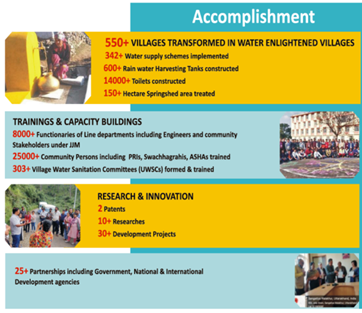
National Recognition
Through its flagship institution—the Himalayan Institute Hospital Trust (HIHT)—SRHU has earned national recognition. The Ministry of Jal Shakti, Government of India, has empanelled HIHT to undertake CSR projects, ranking it 4th nationally and making it the only organisation from Uttarakhand on the list.
Additionally, HIHT has been designated as a National Key Resource Center (NKRC) under the Swachh Bharat Mission (Gramin), underscoring SRHU’s leadership in strengthening rural WASH systems aligned with national priorities.
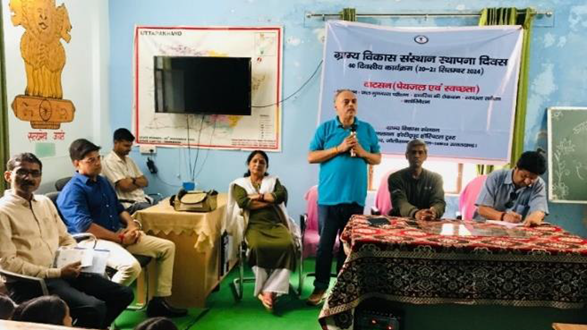
Water Infrastructure & Treatment Systems
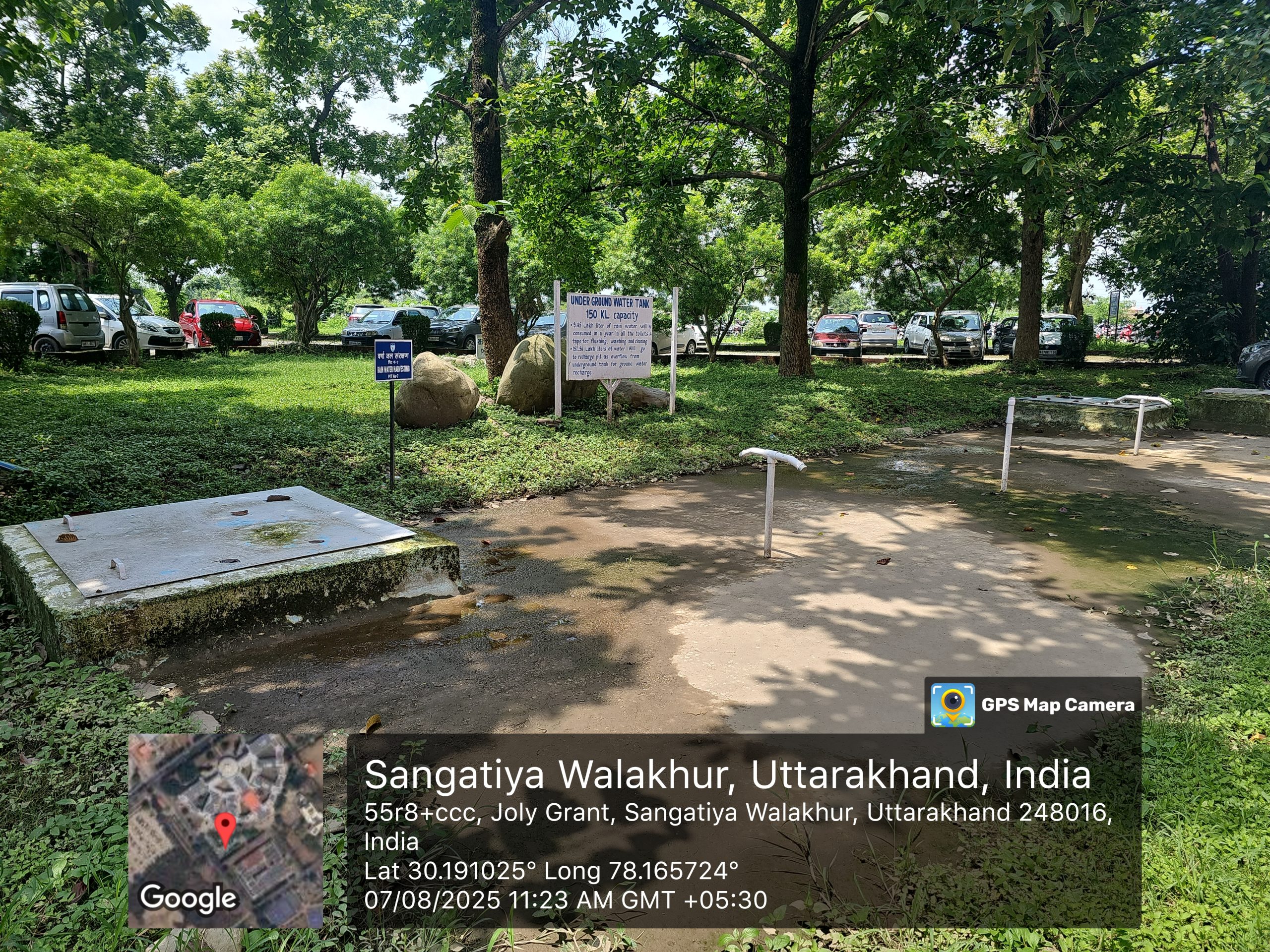
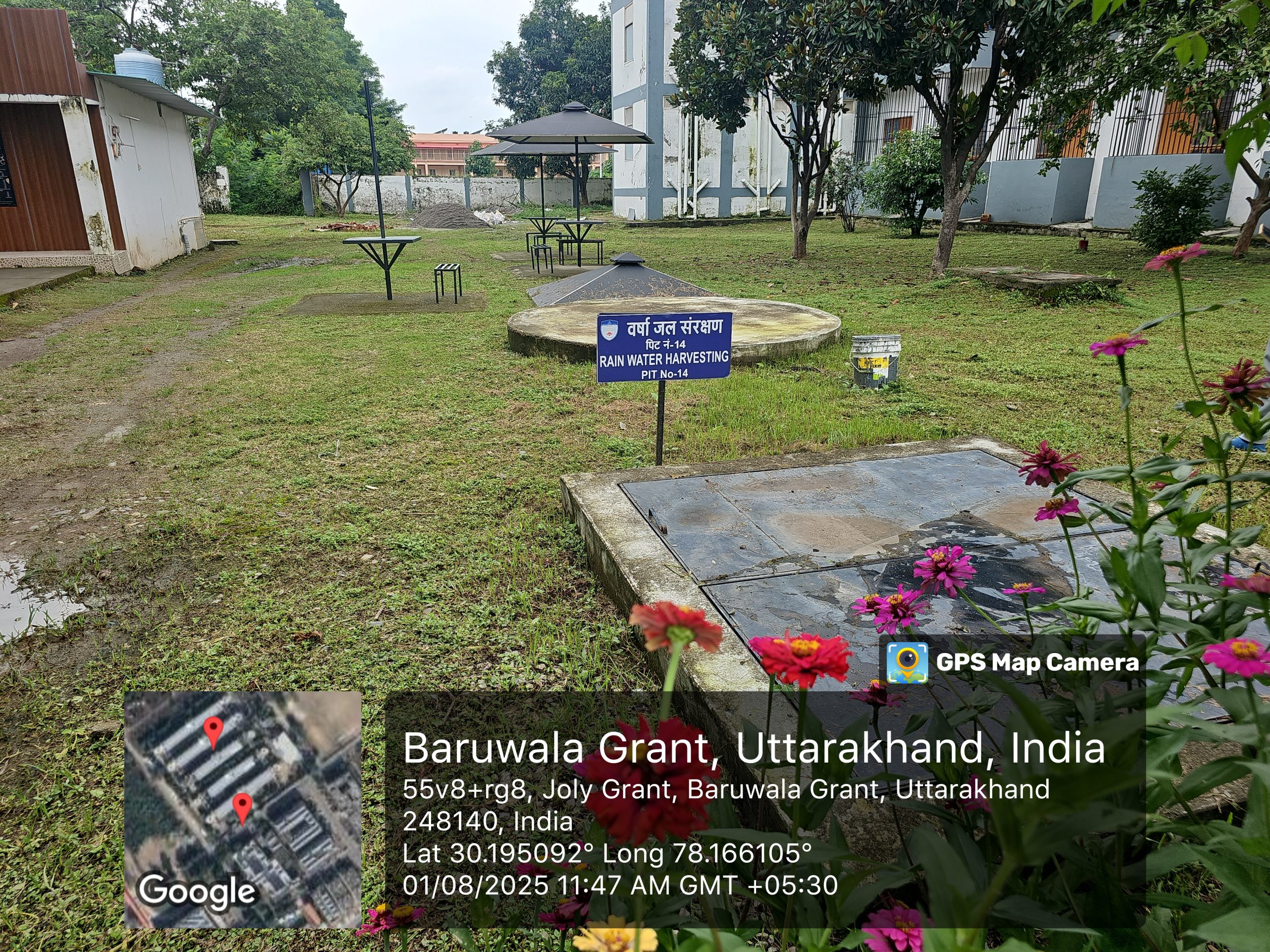
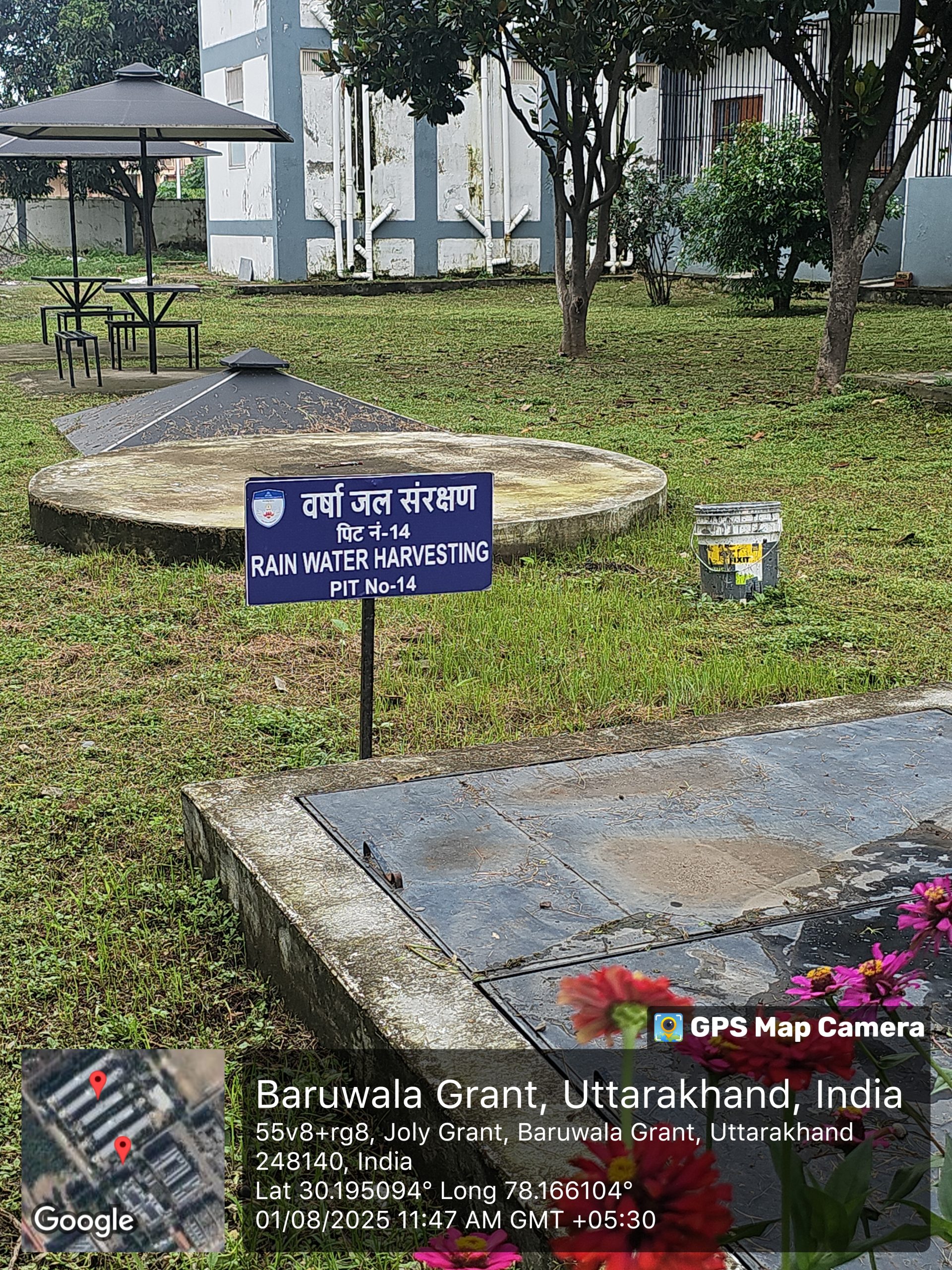
SRHU receives an annual rainfall of 2073.3 mm, harnessed through a well-planned rainwater harvesting system. Rainwater collected from rooftops, paved roads, open areas, and green belts contributes to an annual harvesting potential of 3,77,892.7 cubic meters.
To complement this, the University has constructed 13 recharge pits and 2 borewell recharge structures, contributing 796.73 cubic meters of groundwater recharging.
- Total rainwater harvesting capacity: 40 crore litres
- Underground tank capacity: 1.5 lakh litres
- Daily reuse from tank: 3,000 litres for 111 toilets & 138 taps
- Total rooftop area utilised: 9,000 sq. meters
- Annual groundwater recharge from harvested water: 1.57 crore litres
- Rainwater used for flushing and cleaning: 9.45 lakh litres/year
- Key recharge pit specifications:
- Guest House Area: 3 pits with filter beds (6.42×2×1.5 m), recharge depth: 6 m
- New OPD Zone: Multiple pits of 3 m diameter × 12 m depth
- Medical College (SBI Bank): Filtration system with 3 m diameter × 3.35 m depth
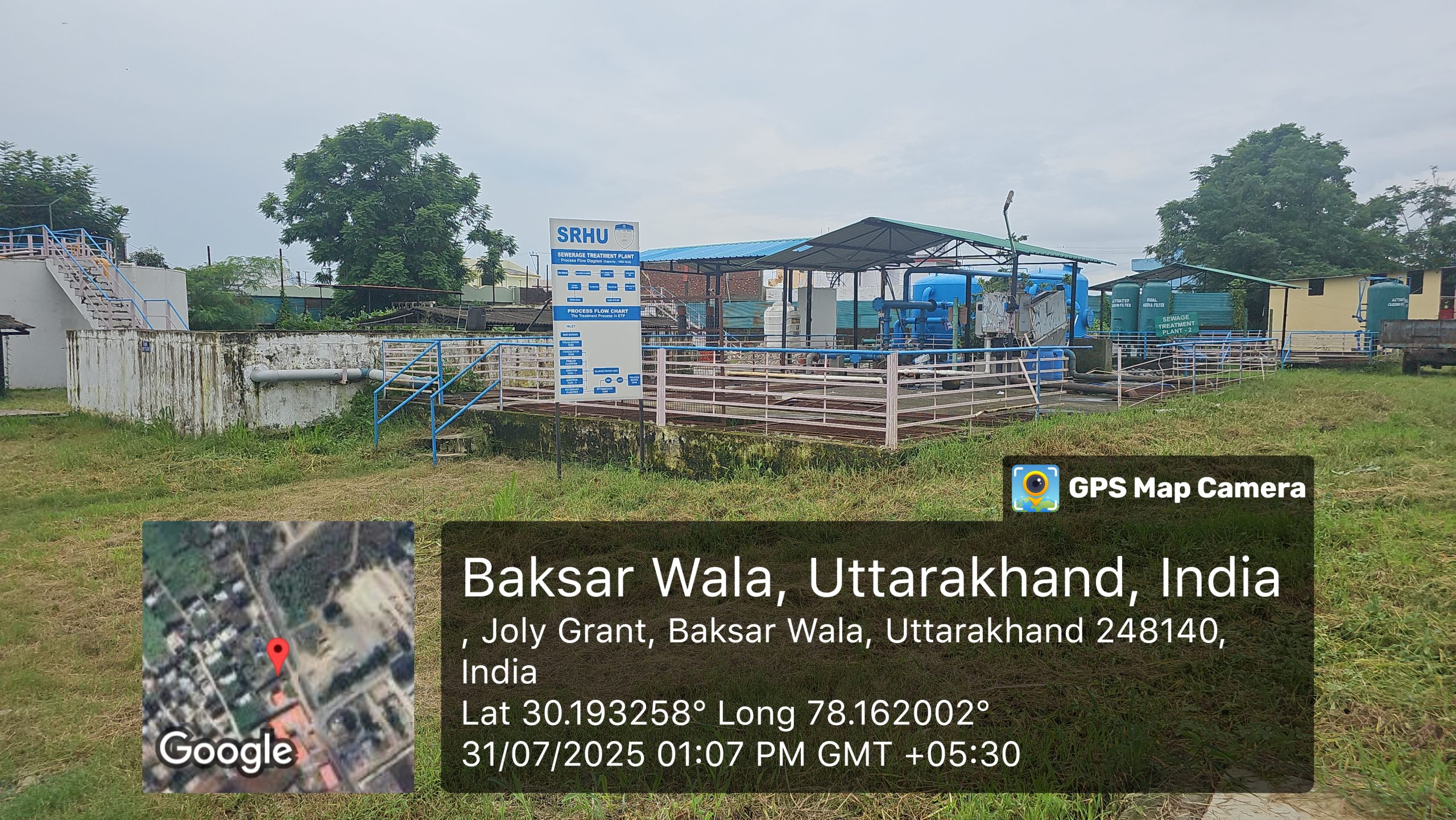
The University has established a comprehensive wastewater management framework ensuring safe treatment, recycling, and reuse of domestic sewage and industrial effluents.
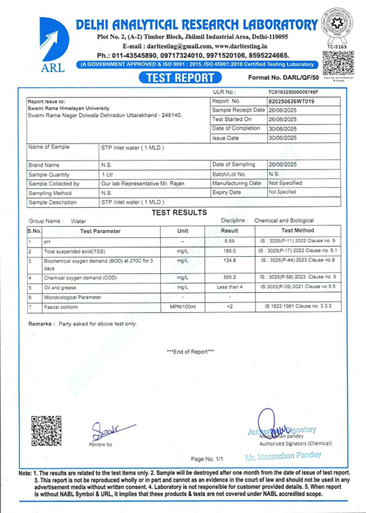
- Capacity: 1 MLD (10,00,000 litres/day)
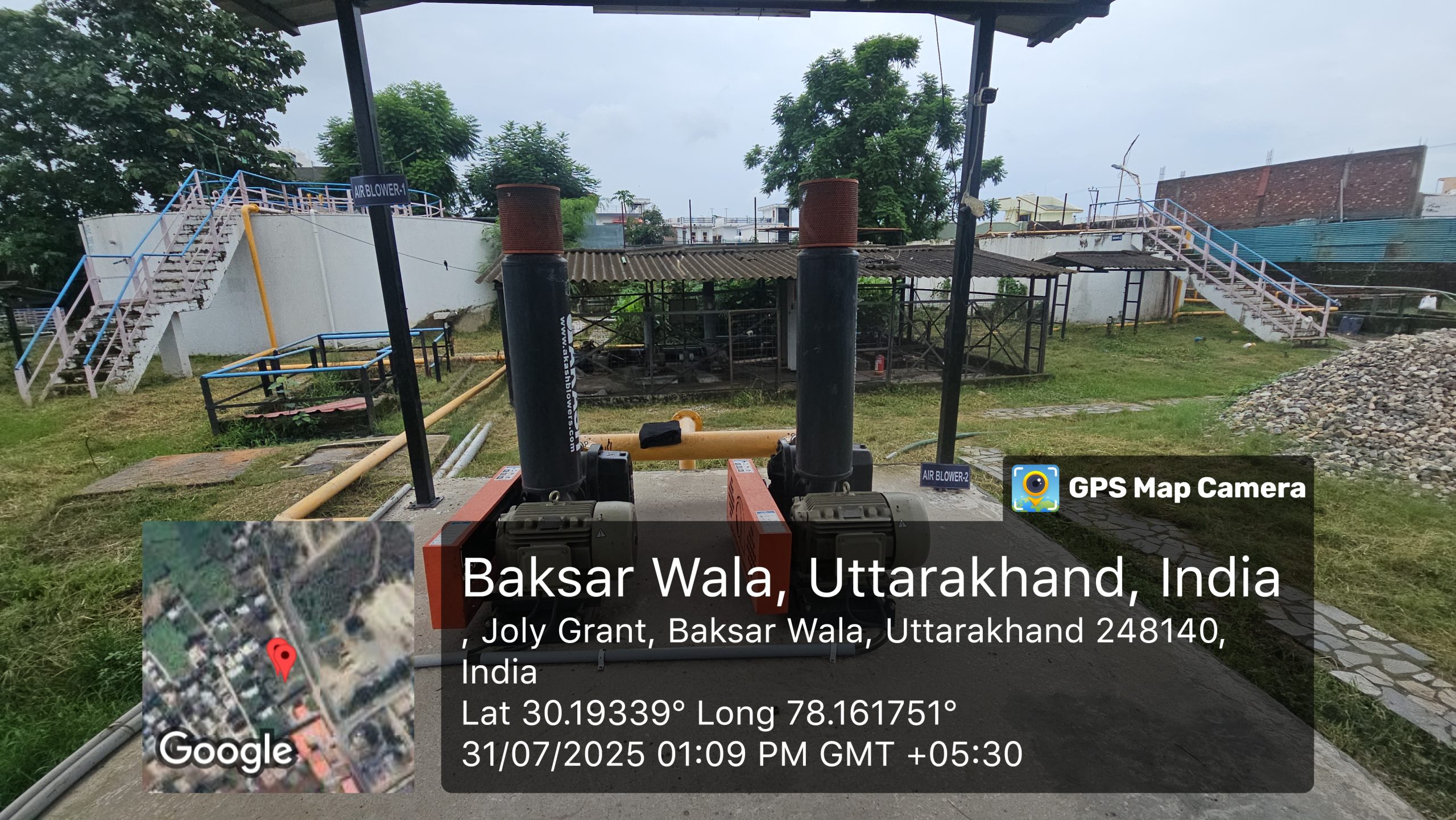
- Technology: MBBR with extended aeration and tertiary filtration
- Construction Cost: ₹1.25 crore
- Daily Average Treatment: 7,00,000 litres
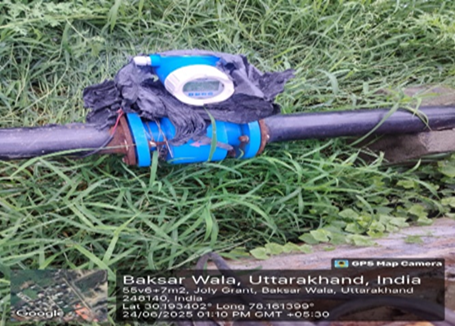
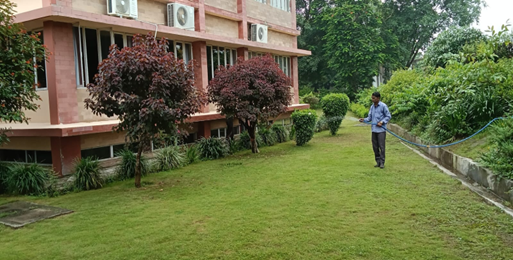
Water Reuse – 9,43,153 litres annually:
- Green belt irrigation (1,60,800 sqm)
- Construction activities
- Vehicle washing
Additional Sustainability Measures:
- Sludge processed and reused as organic manure
- Treated water tested biannually at NABL-accredited labs
- Results within norms (pH: 7.15, BOD: 9 mg/L, COD: 39.7 mg/L, Fecal Coliform: <80 MPN/100ml)
- Fully compliant with State Pollution Control Board regulations
- Capacity: 90,000 litres/day
- Purpose: Clinical and laboratory effluent treatment
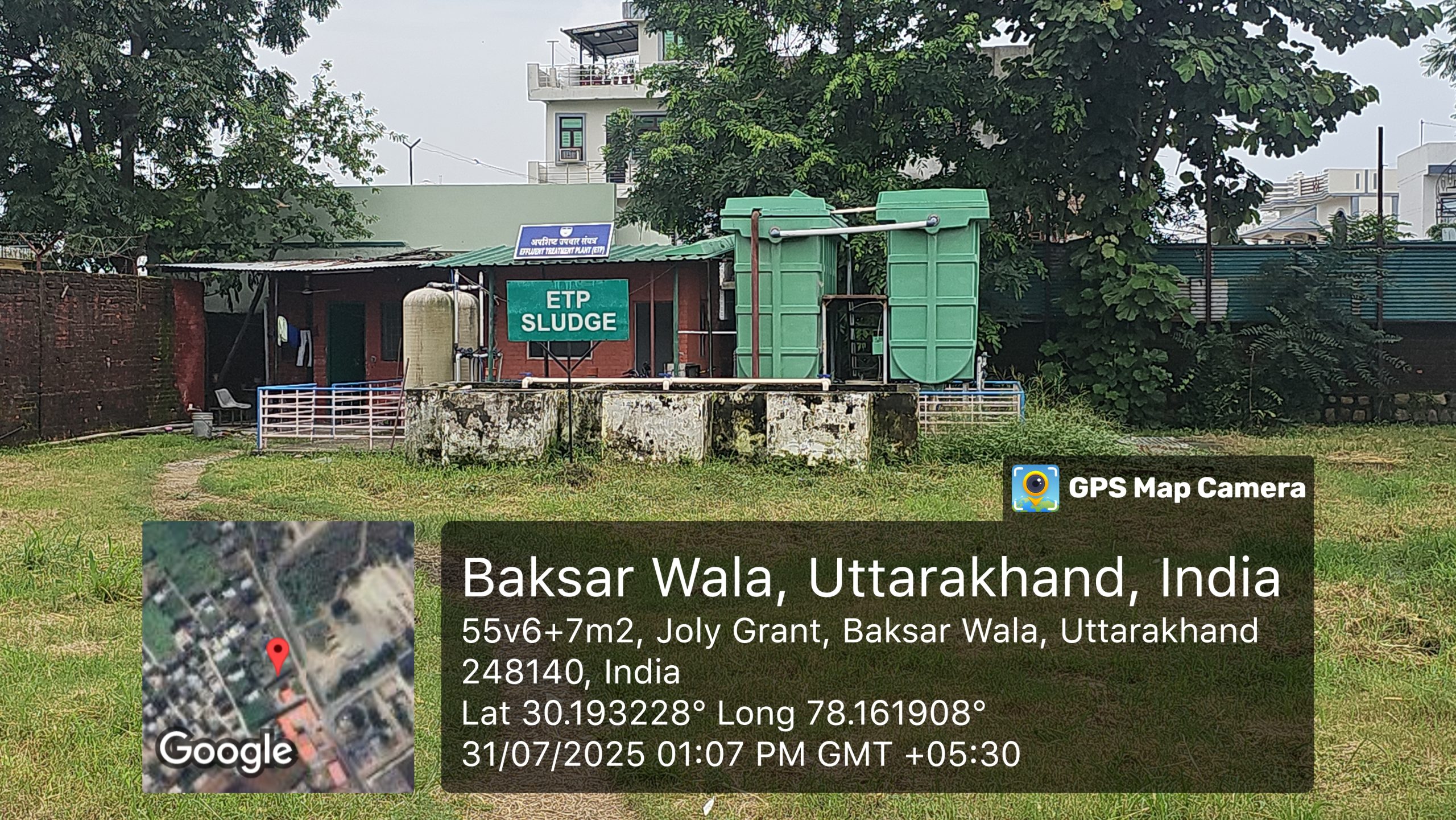
Process Highlights:
- Equalization, coagulation, neutralization, aeration, clarification
- Tertiary treatment via sand and activated carbon filters
- Continuous aeration and regular sludge handling
Sludge Disposal:
Managed with M/S Bharat Oil & Waste Management Ltd (UEPPCB approved).
Safety & Compliance:
- Daily monitoring of pH and chlorine levels
- Equipment checks and filter backwashing every 4–8 hours
- Treated water reused for non-potable purposes
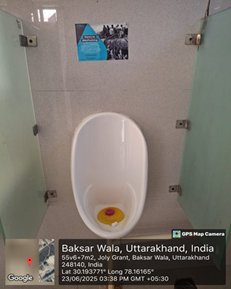
Waterless Urinals:
150+ installations saving approximately 2.25 crore litres annually.
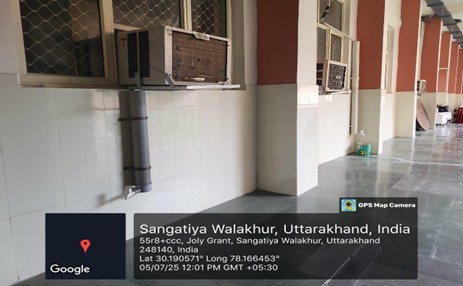
Reuse of Condensed AC Water:
Annual savings of 1.2 lakh litres.
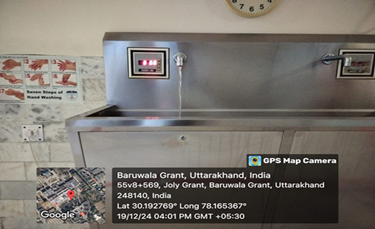
Sensor-Based Scrub Stations:
OT installations saving approximately 5 lakh litres per year.
Installation of over 150 waterless urinals across campus has significantly reduced the need for flushing, saving approximately 1.5 lakh litres per urinal annually, resulting in a total annual saving of 2.25 crore litres of water.
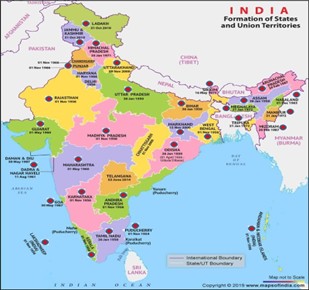
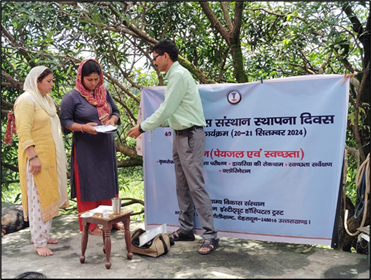
- Villages supported: 550+
- Conservation tanks constructed: 600+ (7,000 litres each)
- Stakeholders trained: 7,787
- Focus areas: aquifer recharge, spring restoration, greywater management
- Experiential learning via STP visits integrated into UG curriculum
Environmental and Social Audit under the Namami Gange Programme
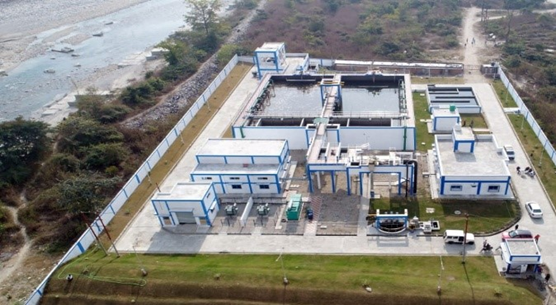
Swami Rama Himalayan University (SRHU) has been engaged as a key evaluator in the Government of India’s Namami Gange Programme, an initiative launched in 2014 to address pollution in the Ganga River. Recognizing the river’s ecological, cultural, and economic importance, SRHU conducts Environmental and Social Audits to assess the performance and community impact of pollution abatement interventions.
SRHU has been entrusted by the State Mission for Clean Ganga (SMCG), Government of Uttarakhand, to conduct comprehensive audits of STPs and Interception & Diversion (I&D) units in nine locations across the districts of Haridwar, Tehri, Dehradun, and Nainital. These audits ensure that interventions comply with sustainability frameworks and maximize community benefits.
Research, Innovation, and Policy Integration
Swami Rama Himalayan University (SRHU) promotes research-driven solutions for water reuse and conservation. Research projects, patents, and publications reflect the university’s academic commitment to developing low-cost, scalable technologies. Water management policies guide the campus community in source segregation, compliant disposal, and safe reuse of wastewater.
Number of patents in water technology: 3 (including rooftop harvester and direct injection system)
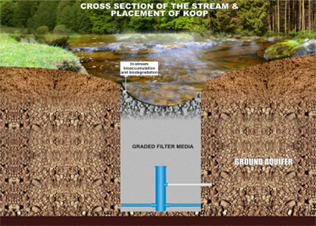
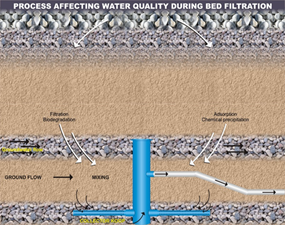
As part of its commitment to sustainable development and water security, SRHU initiated the project “Affordable Climate-resilient Water Supply Infrastructure for the Indian Himalayan Region”. The project focuses on low-cost, climate-resilient, prefabricated source tapping and filtration systems, piloted in a mountain village and intended for scaling across vulnerable geographies. SRHU provides intramural research funding for projects aligned with SDG 6. Notable projects include:
| S. No. | Name of the project | Duration of the project | Name(s) of the teacher(s) working in the project receiving seed money |
|---|---|---|---|
| 1 | Upgrading plant microbe-based approach to enhance phytoremediation method in contaminated water body | 1 year | Dr Vivek Kumar |
| 2 | Water quality assessment in a selected Urban Slum of Doiwala Block in district Dehradun | 1 year | Dr. Abhay Srivastava |
SRHU has addressed critical challenges such as water quality monitoring, wastewater management, bioremediation, and groundwater safety. The following Scopus-indexed publications reflect evidence-based approaches to improving access to clean water and sustainable environmental stewardship:
| SN | Publication Title |
|---|---|
| 1 | Mapping of radionuclides for radiological impact assessment in cultivated soil of Punjab, India |
| 2 | Spatial distribution analysis of soil radioactivity using gamma-ray spectroscopy and radiological inferences |
| 3 | Hospital-associated effluents: the masked environmental threat that needs urgent attention and action |
| 4 | Study of radiation exposure to radon in groundwater using scintillation-based RnDuo technique: A statistical analysis for risk assessment |
| 5 | Environmental restoration of polyaromatic hydrocarbon-contaminated soil through sustainable rhizoremediation: insights into bioeconomy and high-throughput systematic analysis |
| 6 | Assessment of soil gas radon migration and transport through the estimation of radon diffusion length and diffusion coefficient in the soil matrix |
| 7 | Measurement of natural radionuclides and health risk assessment in soil samples of the Main Central Thrust region in Garhwal Himalaya, India |
| 8 | Spatial analysis and soft computational modeling for hazard assessment of potential toxic elements in potable groundwater |
| 9 | Impact of Artificial Intelligence (AI) in Bioremediation of Dairy Effluent by Microalgae and the Potential Application of the Produced Lipid Byproducts |
| 10 | Appropriate Hand Drying – The Missed Step of Hand Hygiene: A Qualitative Evaluation of Hand Drying Practices among Indian Health Care Workers |
| 11 | Human exposure to uranium through drinking water and its detrimental impact on the human body organs |