IQAC Training of Health Profession Teachers in Medical Education
December 30, 2025 2026-02-23 11:34IQAC Training of Health Profession Teachers in Medical Education
Training of Health Profession Teachers in Medical Education
Title of the Practice
Objectives of the Practice
- To train teachers and conduct Faculty Development Programs (FDPs) in medical education technologies.
- To organise continuous medical education programmes.
Context
Practice
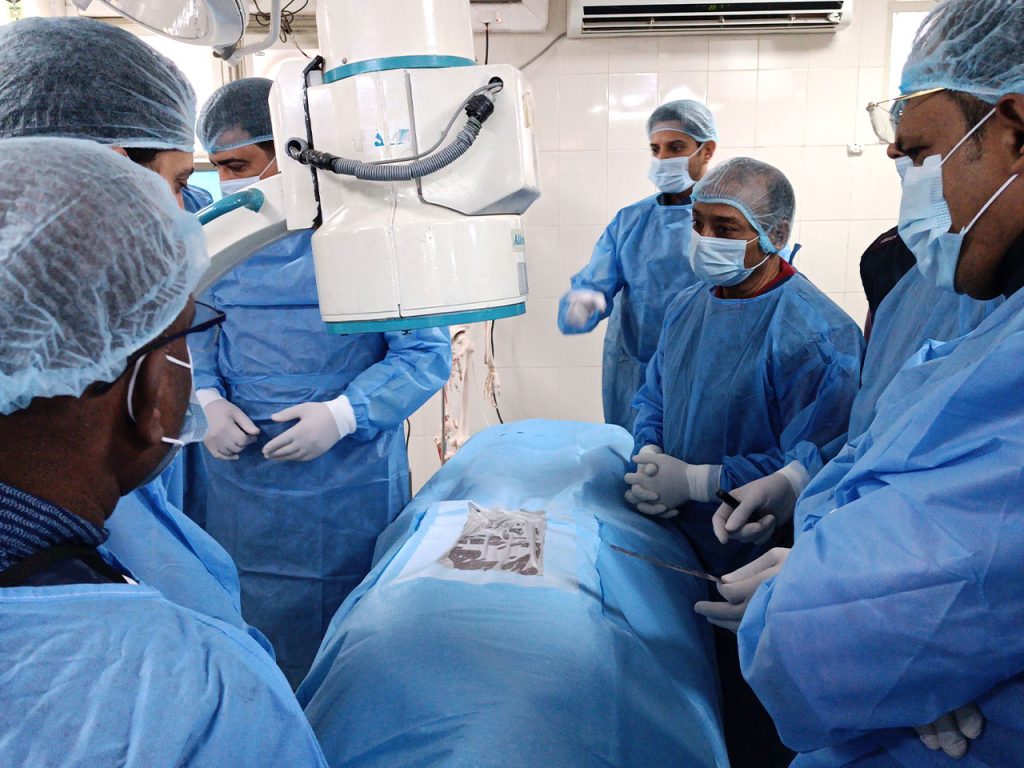
During COVID Pandemic the centre played a pro-active role in training faculty members of HIMS as well as other 17 medical colleges in online teaching and launched hybrid mode of training so that our observers could monitor the workshops conducted at other medical colleges. Two months later, we began conducting online workshops to help implementation of competency-based curriculum across all allocated medical colleges. Our effort was part of the national initiative and was greatly appreciated.During this period, the center also imparted training for online teaching and assessment for the University in-house faculty, to ensure teaching quality.
In 2022, our Regional Centre organised the first National Conference for Allied healthcare Professionals in Uttarakhand in collaboration with FAIMER Institute, Philadelphia, and Association of Health Profession Educators, India. This initiative brought together national and international experts in medical education, and HIMS conducted 24 workshops and a 2-day conference, in Hybrid mode.
Evidence of Success
| S.No. | Programmes | Workshops | Beneficiaries |
|---|---|---|---|
1. | Faculty Development Programme: Basic Course Workshop/AETCOM/CISP I, II, III | 87 | 2158 |
2. | CMEs / Guest Lecture, Clinical Grand Round | 172 | |
3. | PG Orientation Programmes | 14 | 1073 |
Problems Encountered and Resources Required
- Getting trained resource persons is challenging. Hence, we internally groomed some faculty members, who had a passion for medical education, from different specialities. They underwent advanced courses and FAIMER fellowships and continued their additional engagement with the centre.
- We also faced challenges during COVID times when our systems were not ready for taking online sessions.
Notes
- We are in the process of extending the same model in our other academic units in allied health sciences area, and even others such as engineering, and management. We also aspire to become a Nodal center in the near future.
- Institutions can learn from our experience which demonstrates how the vision of few individuals can create excellence leading to set up of a Regional Center with sheer dedication, focus, and unrelenting efforts.
Title of the Practice
Objectives of the Practice
- To train teachers and conduct Faculty Development Programs (FDPs) in medical education technologies.
- To organise continuous medical education programmes.
Context
Practice
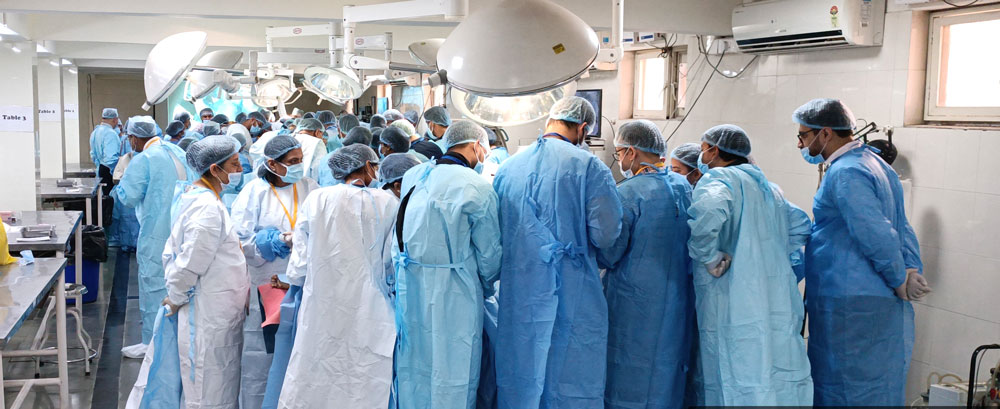
During COVID Pandemic the centre played a pro-active role in training faculty members of HIMS as well as other 17 medical colleges in online teaching and launched hybrid mode of training so that our observers could monitor the workshops conducted at other medical colleges. Two months later, we began conducting online workshops to help implementation of competency-based curriculum across all allocated medical colleges. Our effort was part of the national initiative and was greatly appreciated.During this period, the center also imparted training for online teaching and assessment for the University in-house faculty, to ensure teaching quality.
In 2022, our Regional Centre organised the first National Conference for Allied healthcare Professionals in Uttarakhand in collaboration with FAIMER Institute, Philadelphia, and Association of Health Profession Educators, India. This initiative brought together national and international experts in medical education, and HIMS conducted 24 workshops and a 2-day conference, in Hybrid mode.
Evidence of Success
| S.No. | Programmes | Workshops | Beneficiaries |
|---|---|---|---|
1. | Faculty Development Programme: Basic Course Workshop/AETCOM/CISP I, II, III | 87 | 2158 |
2. | CMEs / Guest Lecture, Clinical Grand Round | 172 | |
3. | PG Orientation Programmes | 14 | 1073 |
Problems Encountered and Resources Required
- Getting trained resource persons is challenging. Hence, we internally groomed some faculty members, who had a passion for medical education, from different specialities. They underwent advanced courses and FAIMER fellowships and continued their additional engagement with the centre.
- We also faced challenges during COVID times when our systems were not ready for taking online sessions.
Notes
- We are in the process of extending the same model in our other academic units in allied health sciences area, and even others such as engineering, and management. We also aspire to become a Nodal center in the near future.
- Institutions can learn from our experience which demonstrates how the vision of few individuals can create excellence leading to set up of a Regional Center with sheer dedication, focus, and unrelenting efforts.