Social Impact

Social Impact

Social Impact

Swami Rama Himalayan University (SRHU) is committed to creating a positive social impact through inclusive education, community engagement, healthcare outreach, and ethical institutional practices. The University promotes equal access to education, supports student welfare, and encourages social responsibility through outreach programmes, healthcare initiatives, and community development activities.

By integrating social awareness into academics and fostering strong partnerships with local communities, SRHU contributes to social well-being, equity, empowerment, and sustainable societal development at local, regional, and national levels.

SRHU as charitable organizations play a vital role in nurturing a culture of giving, supporting public welfare, and advancing collective interests. When aligned with government programs, these entities contribute meaningfully to national development. The Himalayan Institute Hospital Trust is a society registered under the Society Registration Act 1860 and is engaged in multifarious activities in the field of research, education, health care, social and outreach.

  • To undertake activities and research programmes for extension of knowledge
  • To set up and manage charitable hospitals
  • To run and administer medical training and diagnostic centres
  • To act as consultants and advisors in healthcare education
  • To organise seminars, conferences, and outreach activities

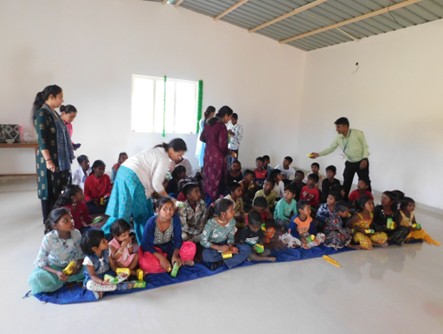
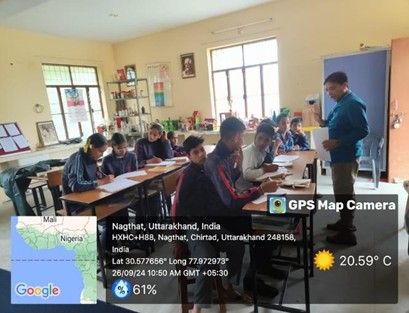
Activities: July 2024 – December 2024

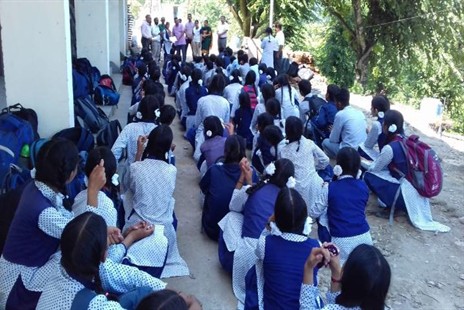
Activities: January 2025 – June 2025

Sports and physical activity are an integral part of our efforts to promote health and well-being. We believe that participation in sports not only ipmproves physical fitness, but also supports mental well-be ing, teamwork, and a sense of community. The university therefore encourages students, faculty, and staff to engage in regular sports and recreational activities through accessible facilities, organised events, and active sports clubs that provide platforms for participation at all levels. Together, these initiatives help create a supportive campus environment that nurtures healthy lifestyles and overall well-being.

Fitness Club

Athletics Club

Health and Well-Being Details
Financial Year Total area designated as pedestrian / vehicle-restricted zones (other than building area) Total area designated for sports facilities Total area of the campus Number of people taking part in Yoga and Meditation programs at least twice a year Number of people taking part in Yoga and Meditation programs once per week
Acres Acres Acres Number Number
2024-25 56.62 71.33 197.36 3024 481
2023-24 54.00 71.33 196 2644 358
2022-23 54.00 71.33 196 2033 205
Provision of Healthy and Affordable Food Choices for All on Campus

On-Campus Food Provision

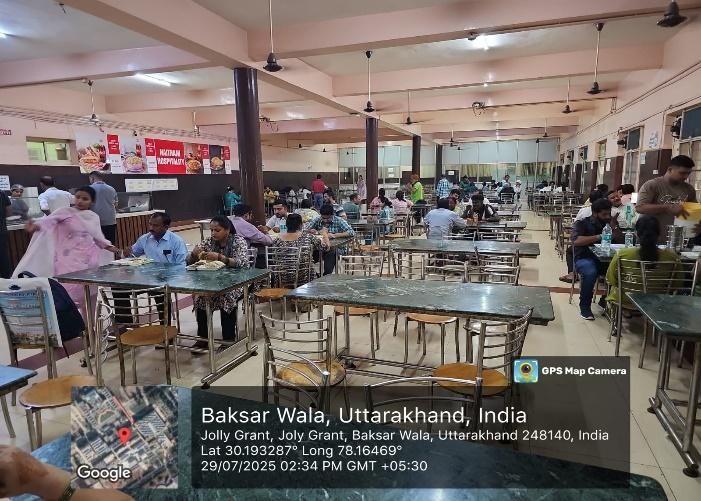
Recognizing the critical role of balanced nutrition in supporting physical well-being, academic performance, and workplace productivity, SRHU has established a comprehensive campus food system that ensures healthy, affordable, and accessible food options for all students, faculty, staff, and visitors.

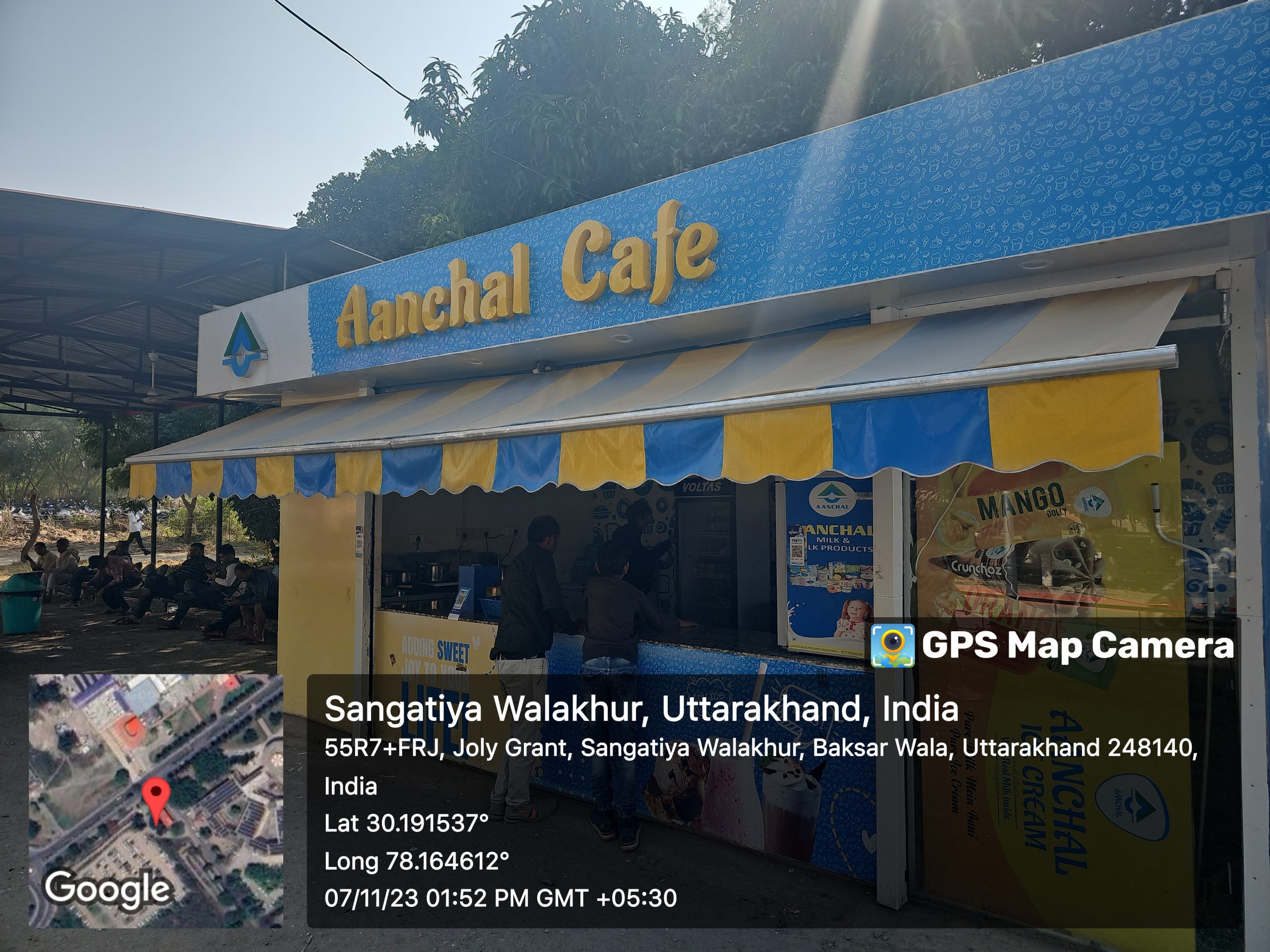
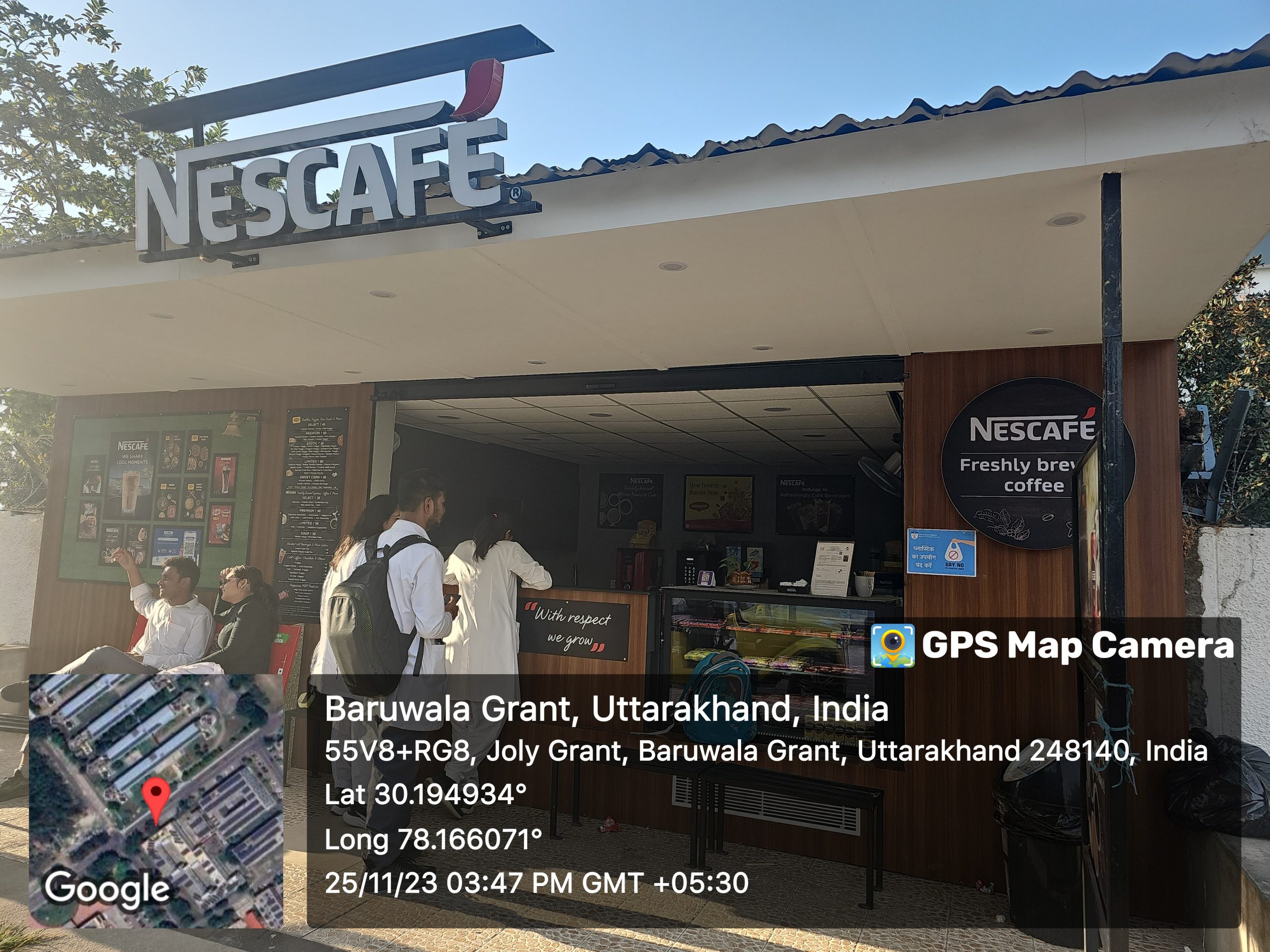
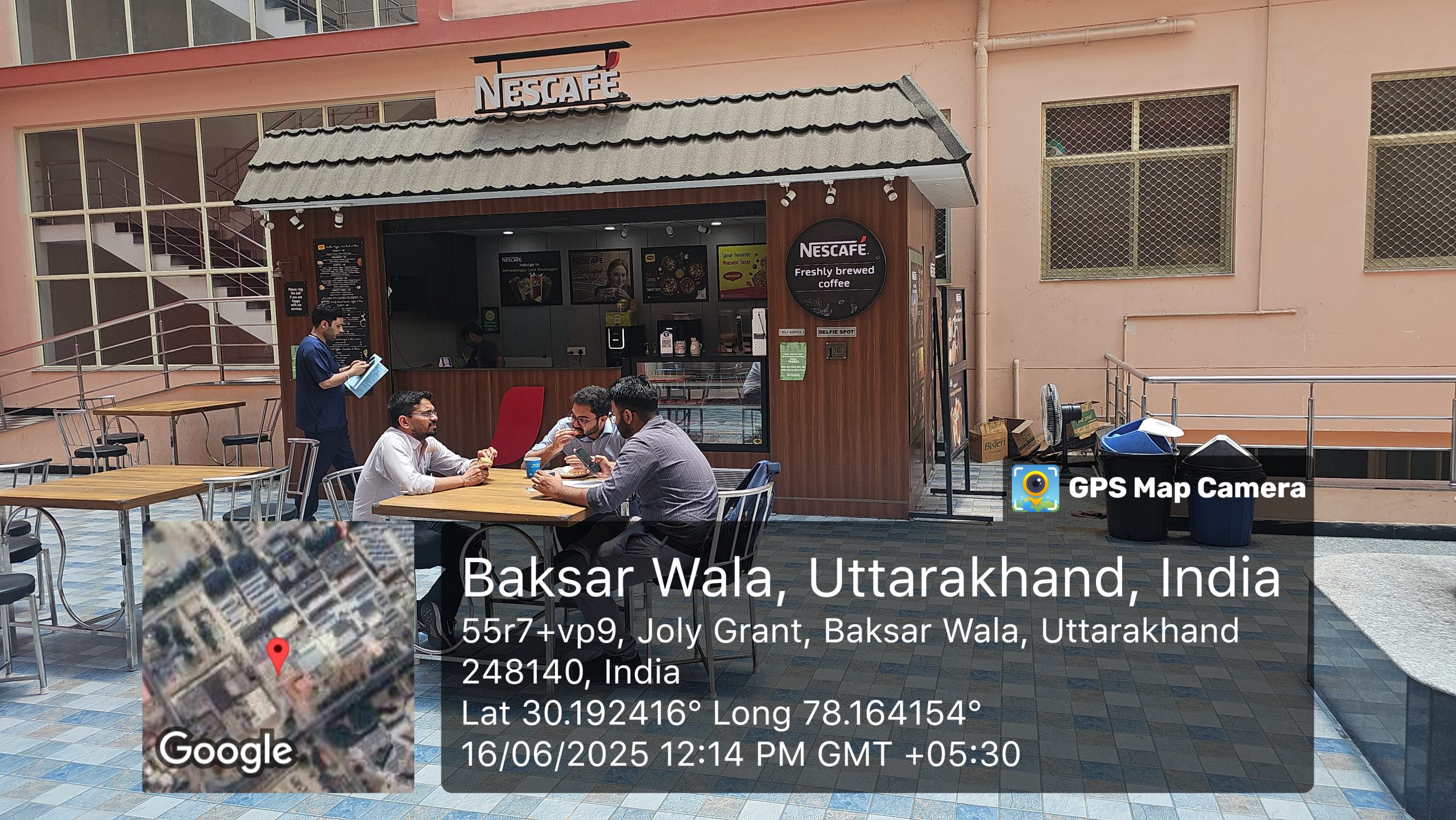
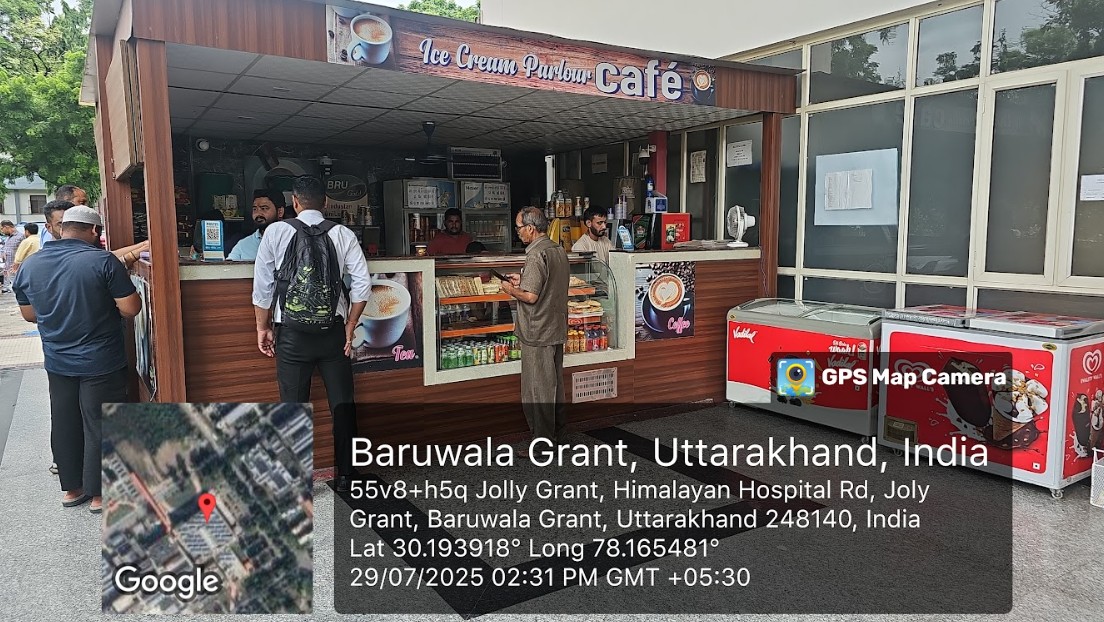
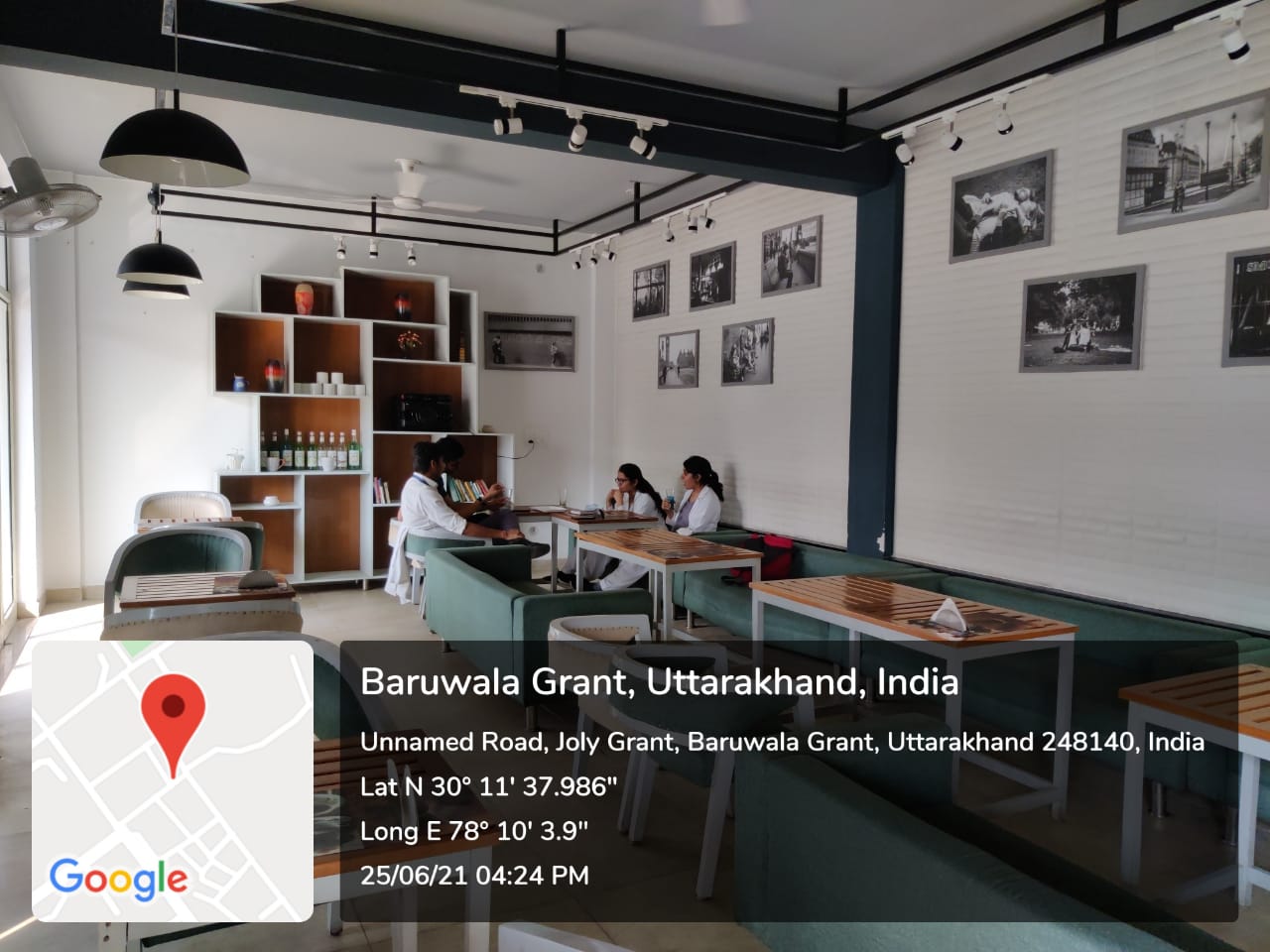
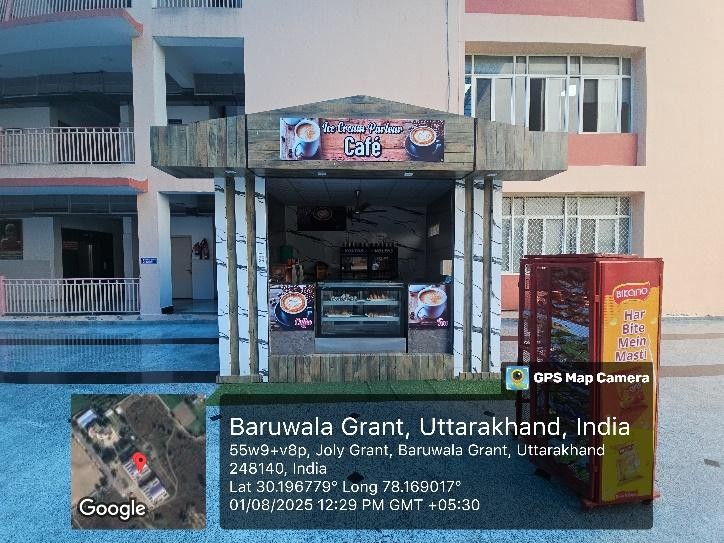
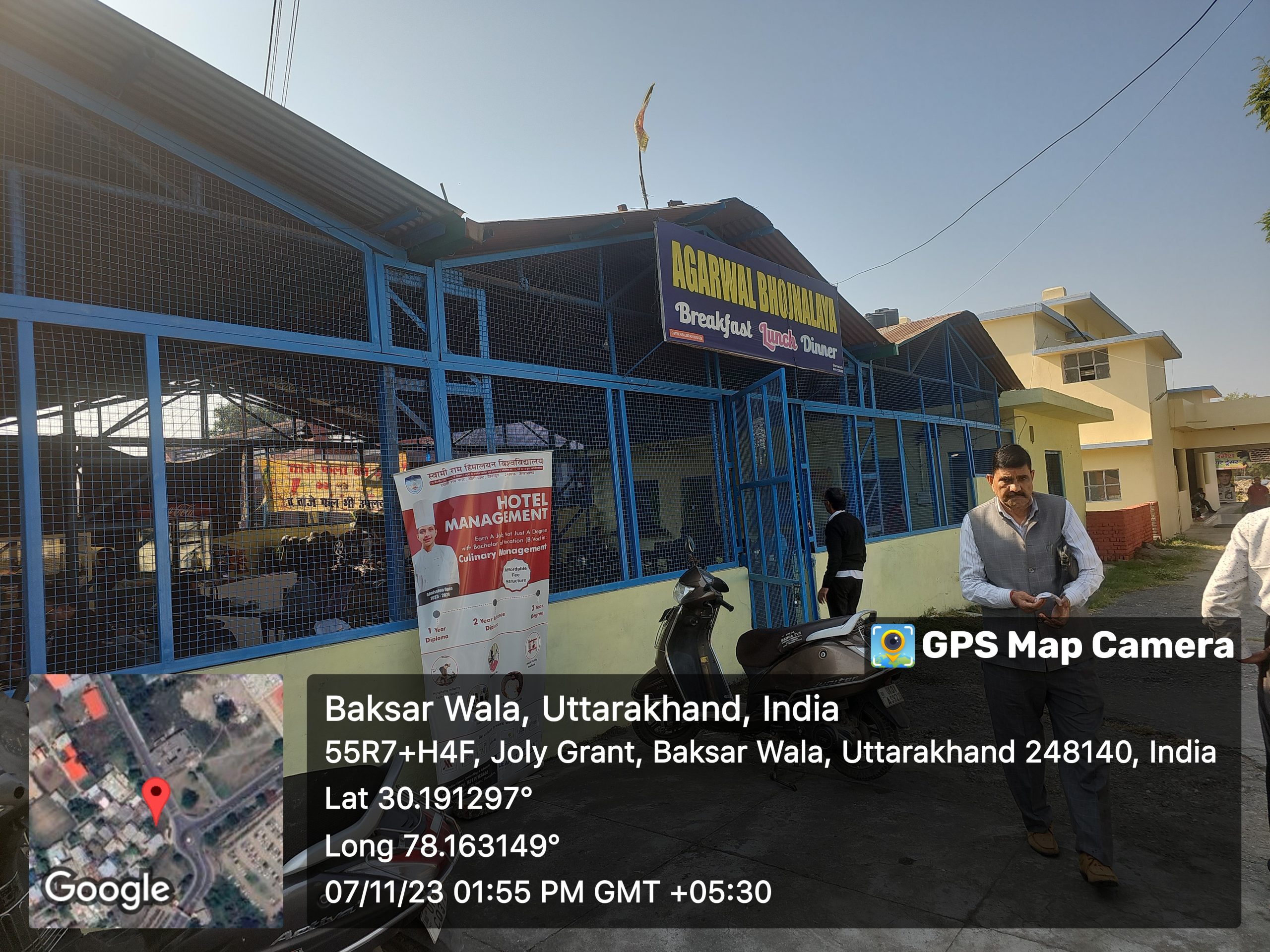
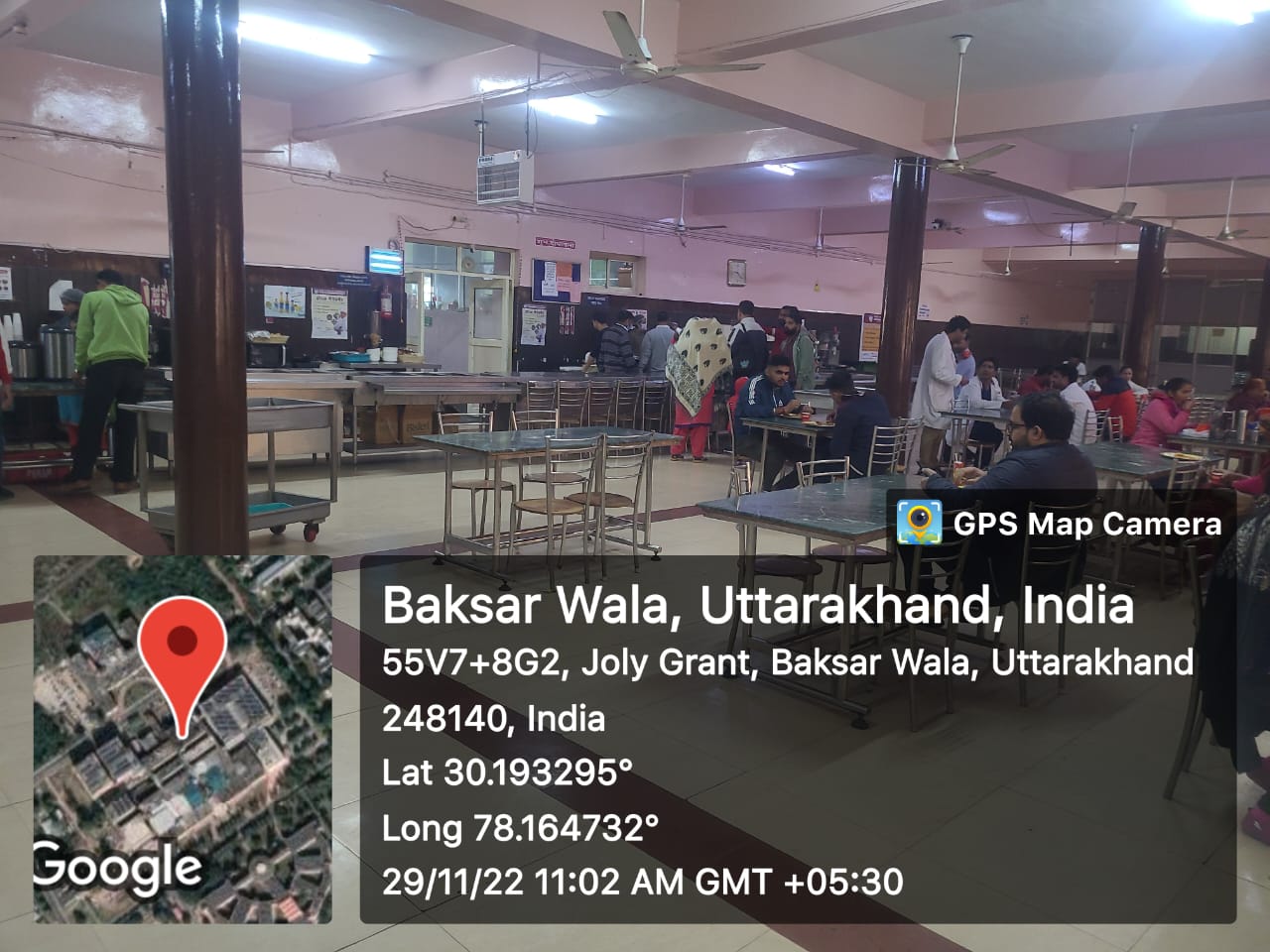
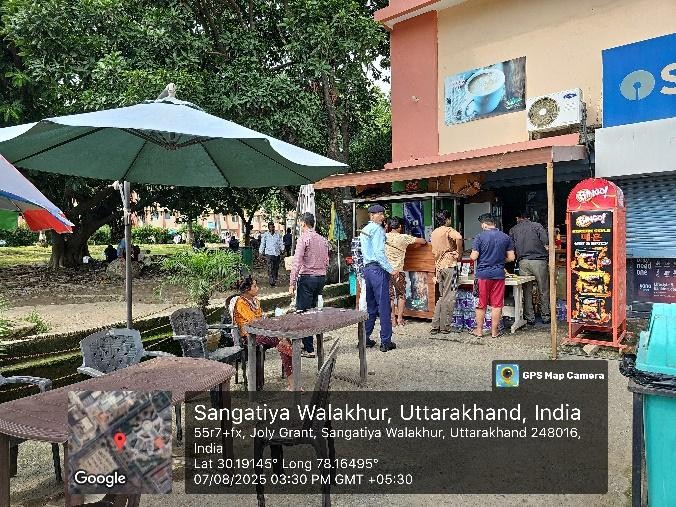
The University operates multiple cafeterias, canteens, and food outlets strategically located across the campus, ensuring convenient access to meals throughout the day. These food facilities offer a diverse range of nutritious meal options at subsidized and reasonable prices, catering to varied dietary preferences and needs. SRHU emphasizes the use of fresh and locally sourced ingredients, supporting regional agriculture while enhancing food quality and environmental sustainability. Several outlets also provide hygienic beverage and light-meal options, promoting healthier snacking choices across academic and residential zones.

Key food outlets on campus include:

  • Main cafeterias and canteens serving balanced meals
  • Nescafé outlet near Adi Kailash Auditorium
  • Café near Himalayan College of Nursing
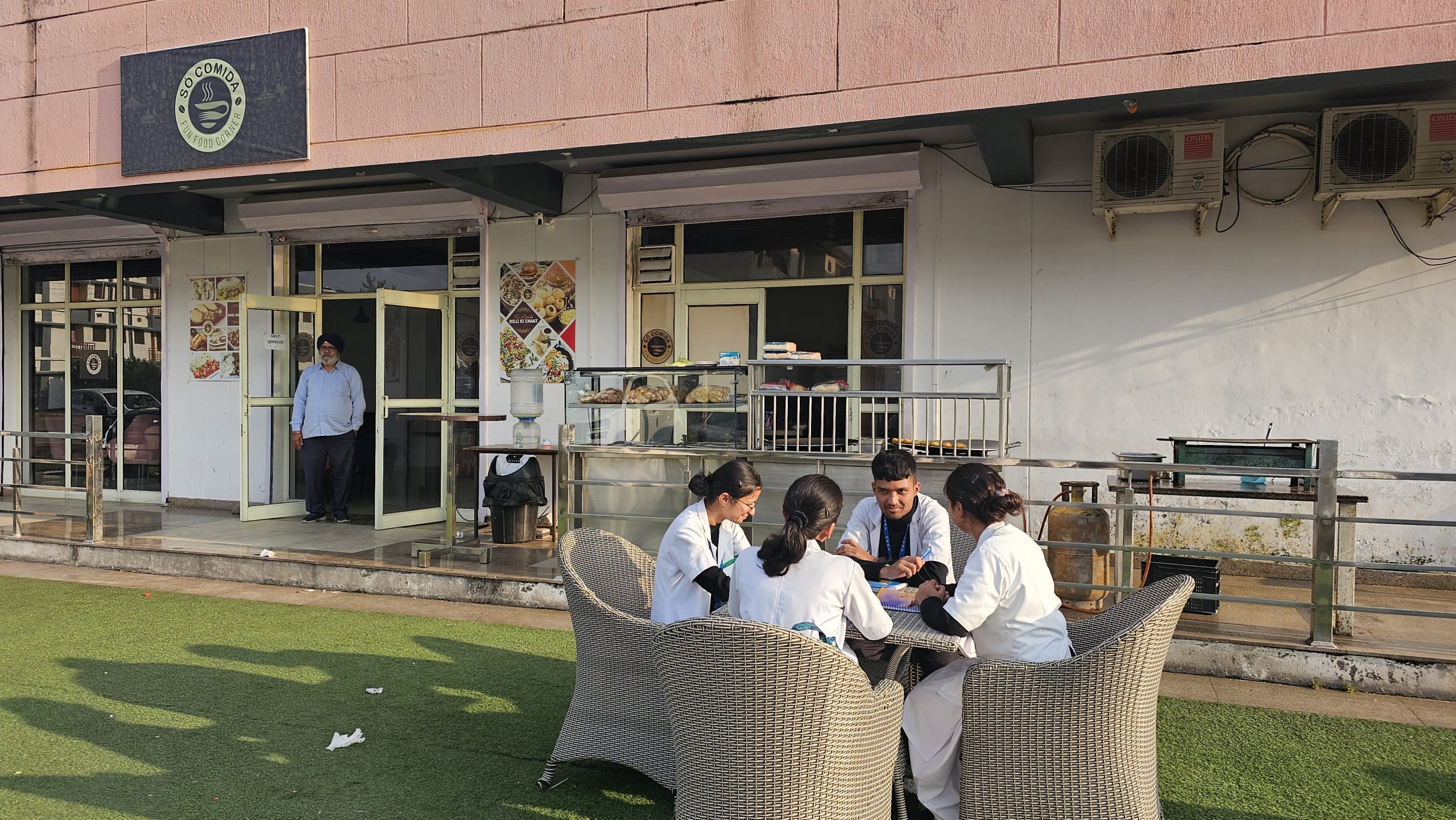
  • Socomeda food outlet within the SRHU campus
  • Coffee shop at School of Science and Technology (SST)
  • Coffee shop at Himalayan Institute of Medical Sciences (HIMS)
  • Aanchal Café within the SRHU campus

Nutrition Support Beyond Campus (Community Outreach)

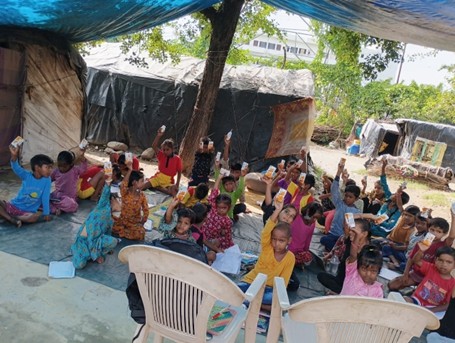
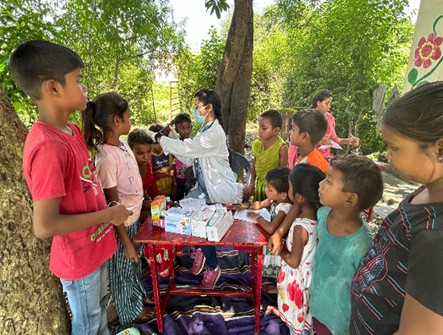
Complementing its campus initiatives, SRHU actively extends nutritional support to vulnerable populations, reinforcing its commitment to SDG 2: Zero Hunger.

  • Nutritional Support for Children of Migrant Families: Health and nutrition camps are conducted at community-based centers such as Aakhar and Flying Birds. At Aakhar, 243 children were screened for general illnesses and signs of malnutrition, while 76 children and their parents were engaged at Flying Birds. These camps provided nutrition counselling, health screening, and basic treatment, enabling early identification of nutritional deficiencies and improving community health awareness.

  • Nutrition Education for Adolescents: Under the Adolescent Health Program, nutrition is a core focus area. 224 Peer Educators were trained on adolescent nutrition, menstrual health, and growth-related issues. Through peer-led sessions, 7,022 adolescents were sensitized on balanced diets, anemia prevention, and healthy growth practices. Additionally, Adolescent-Friendly Health Clinics offered growth monitoring, hemoglobin testing, and individualized nutrition counselling.

    Through these initiatives, SRHU fosters a campus food environment that prioritizes nutrition, affordability, accessibility, and sustainability, directly contributing to improved dietary practices

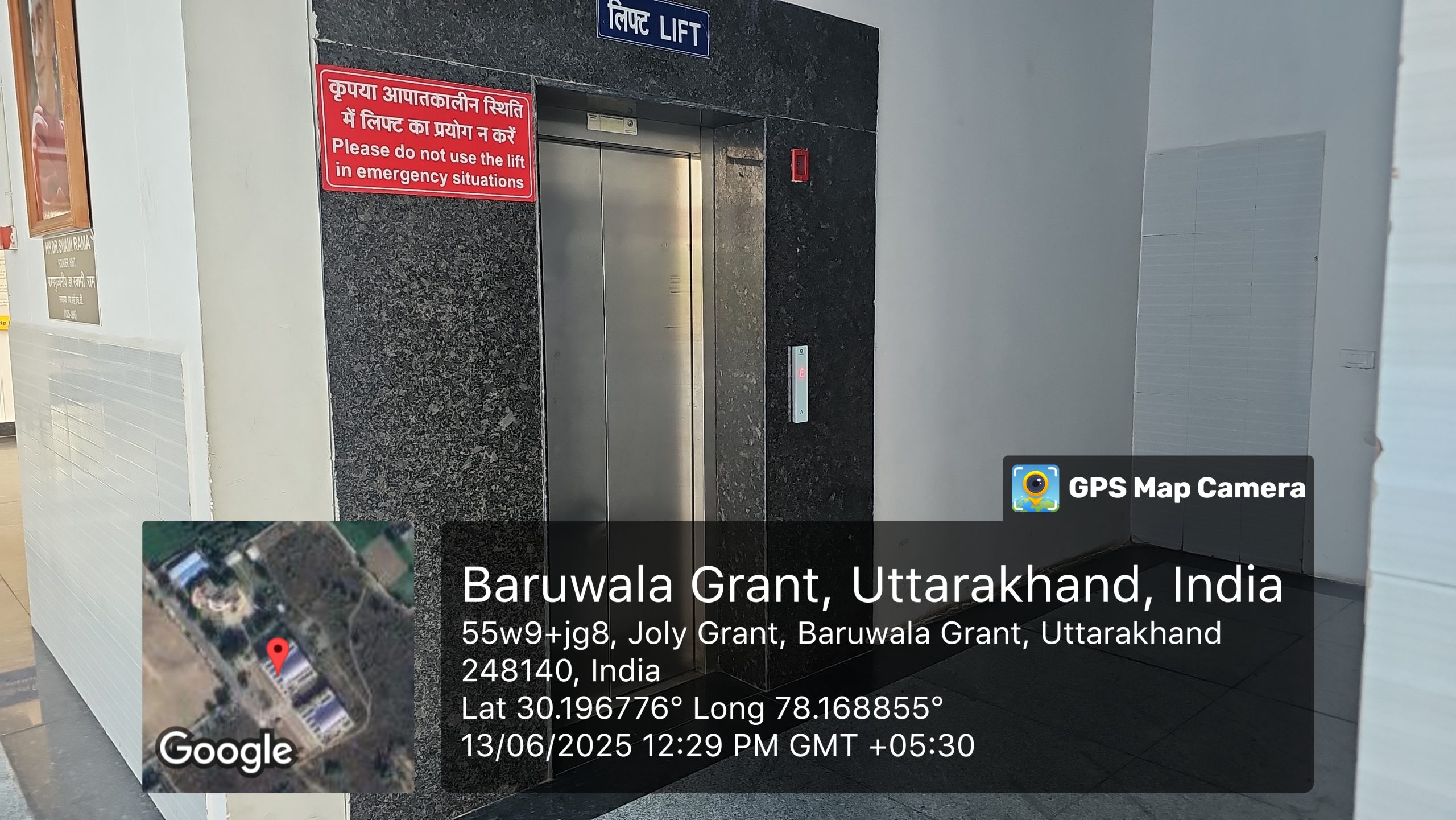
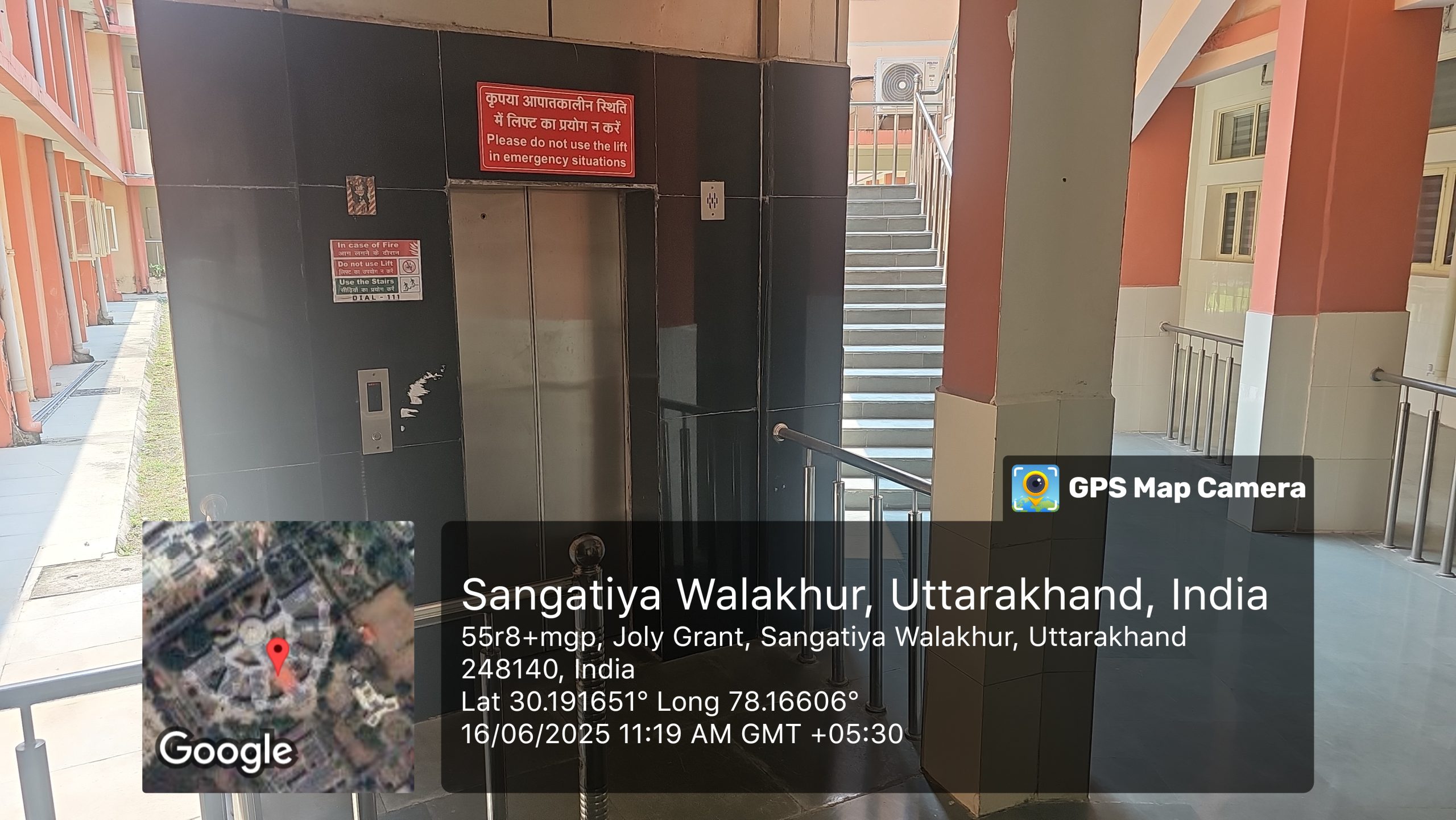
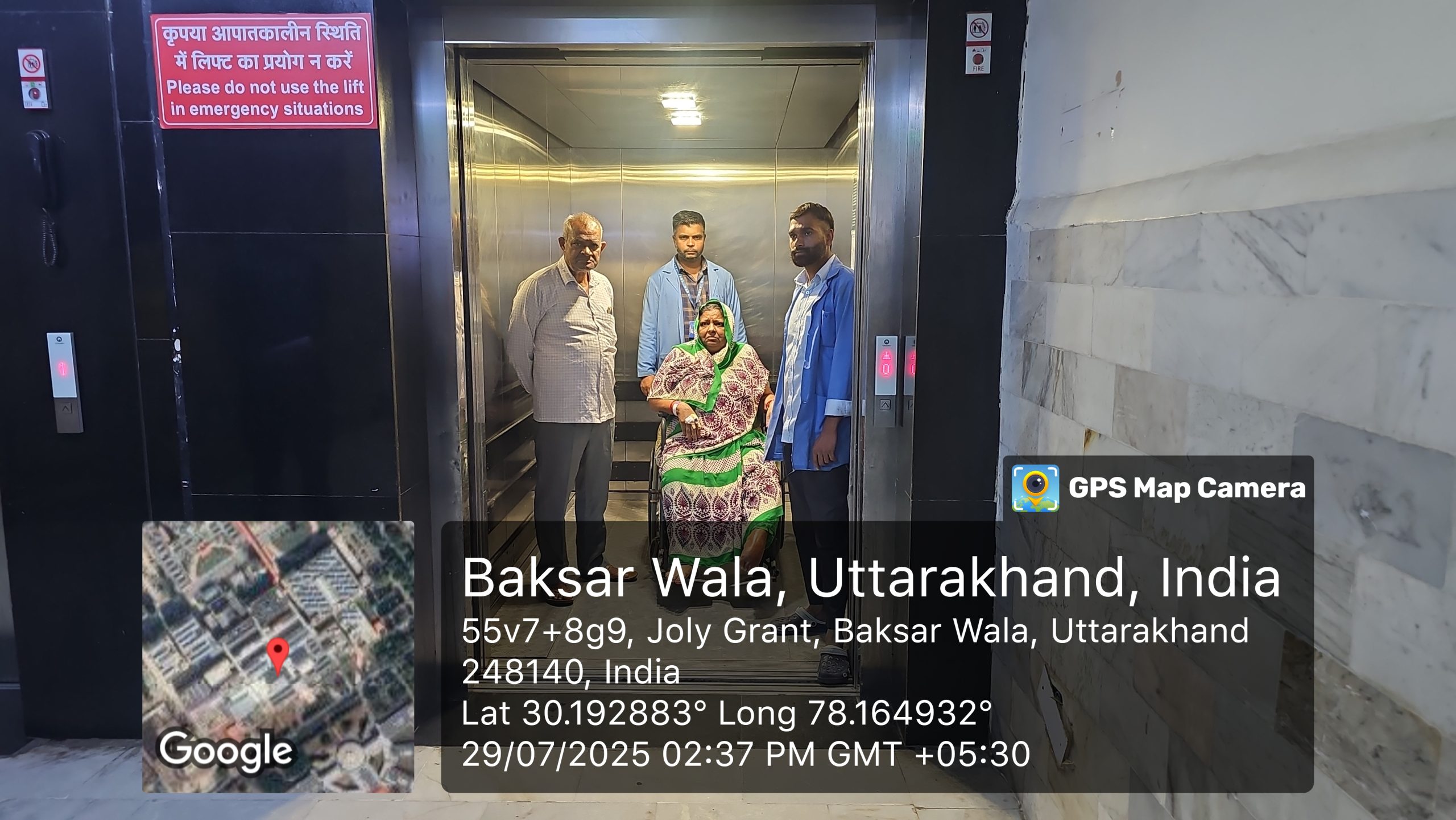
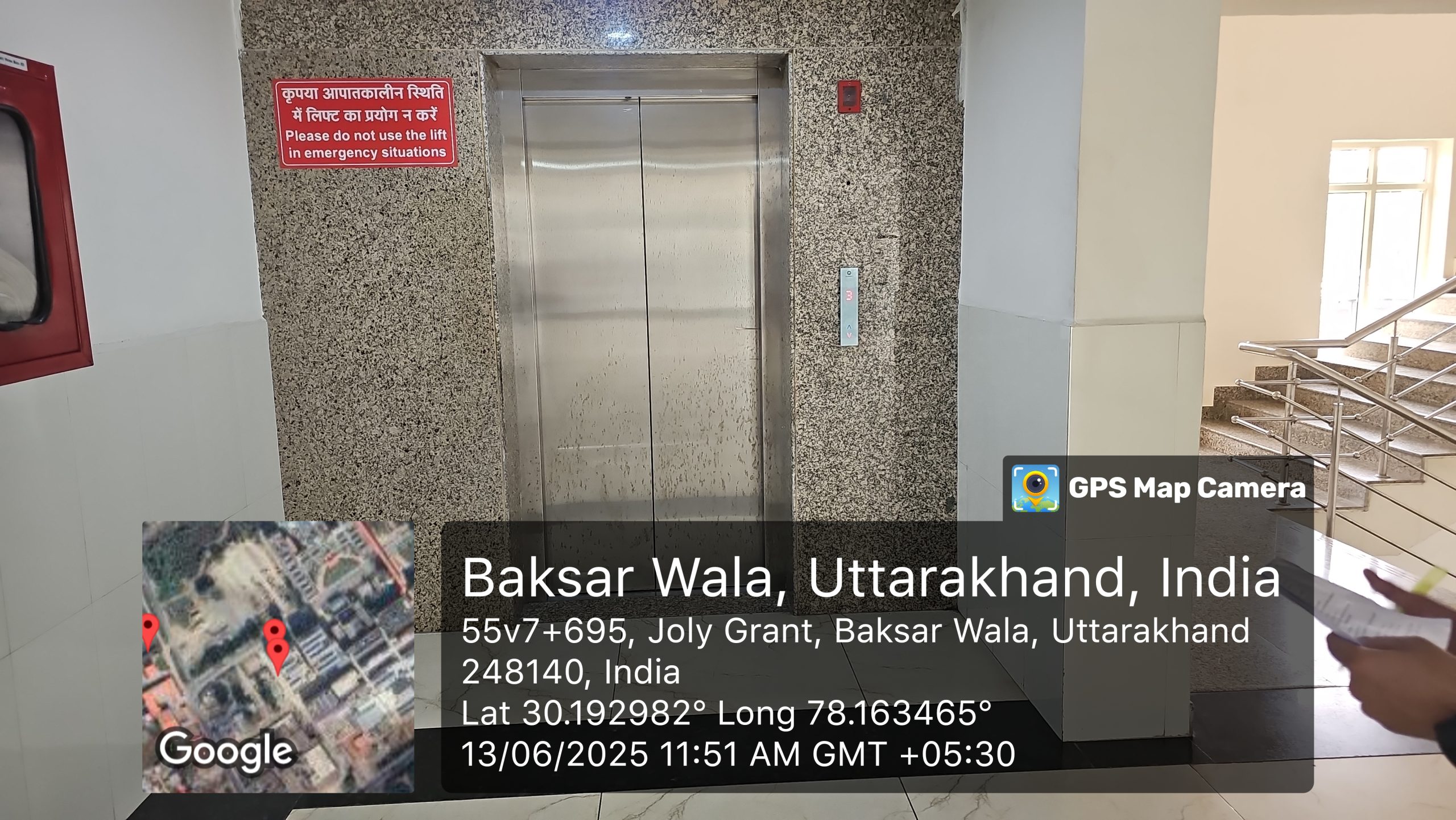
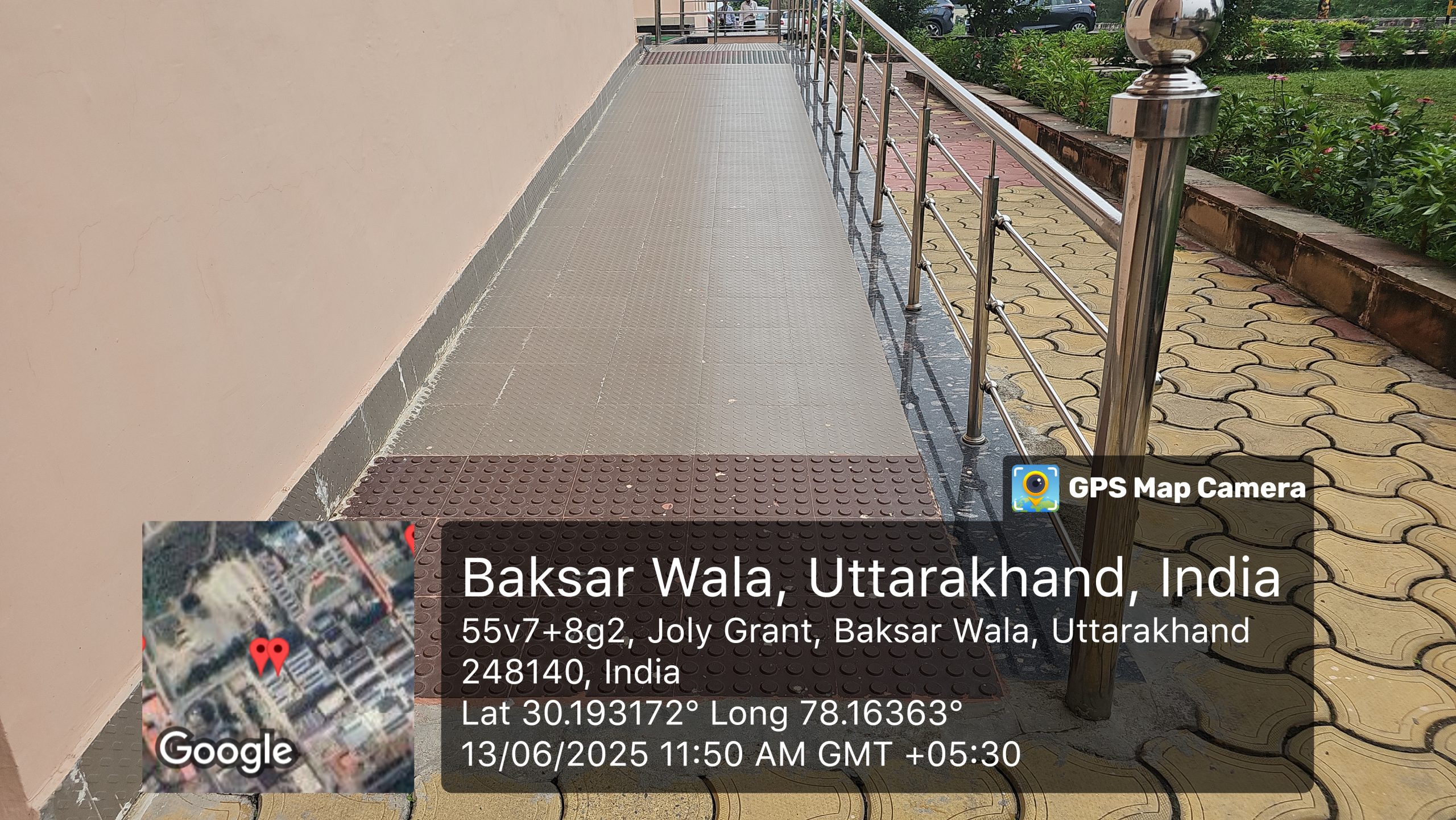
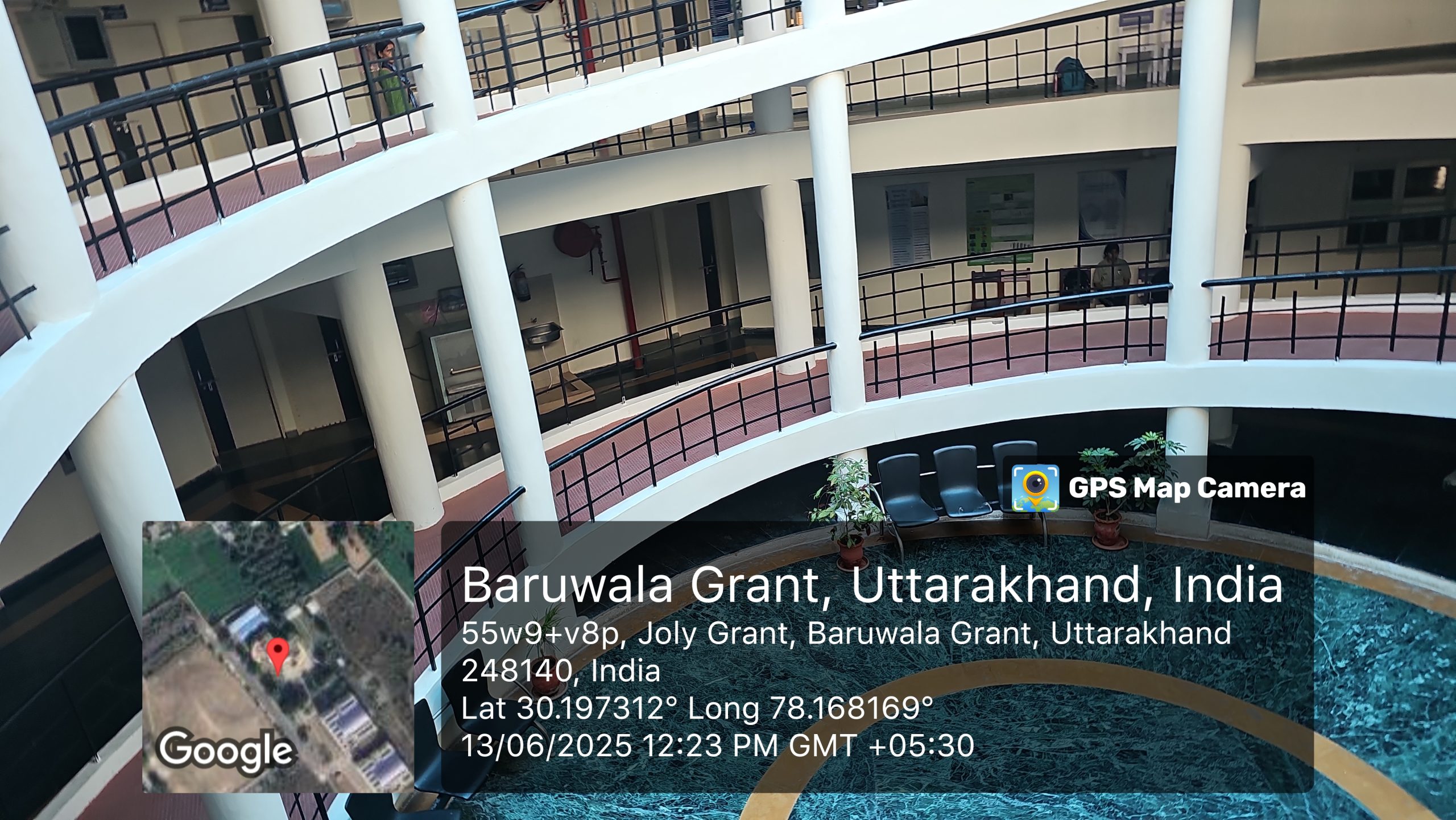
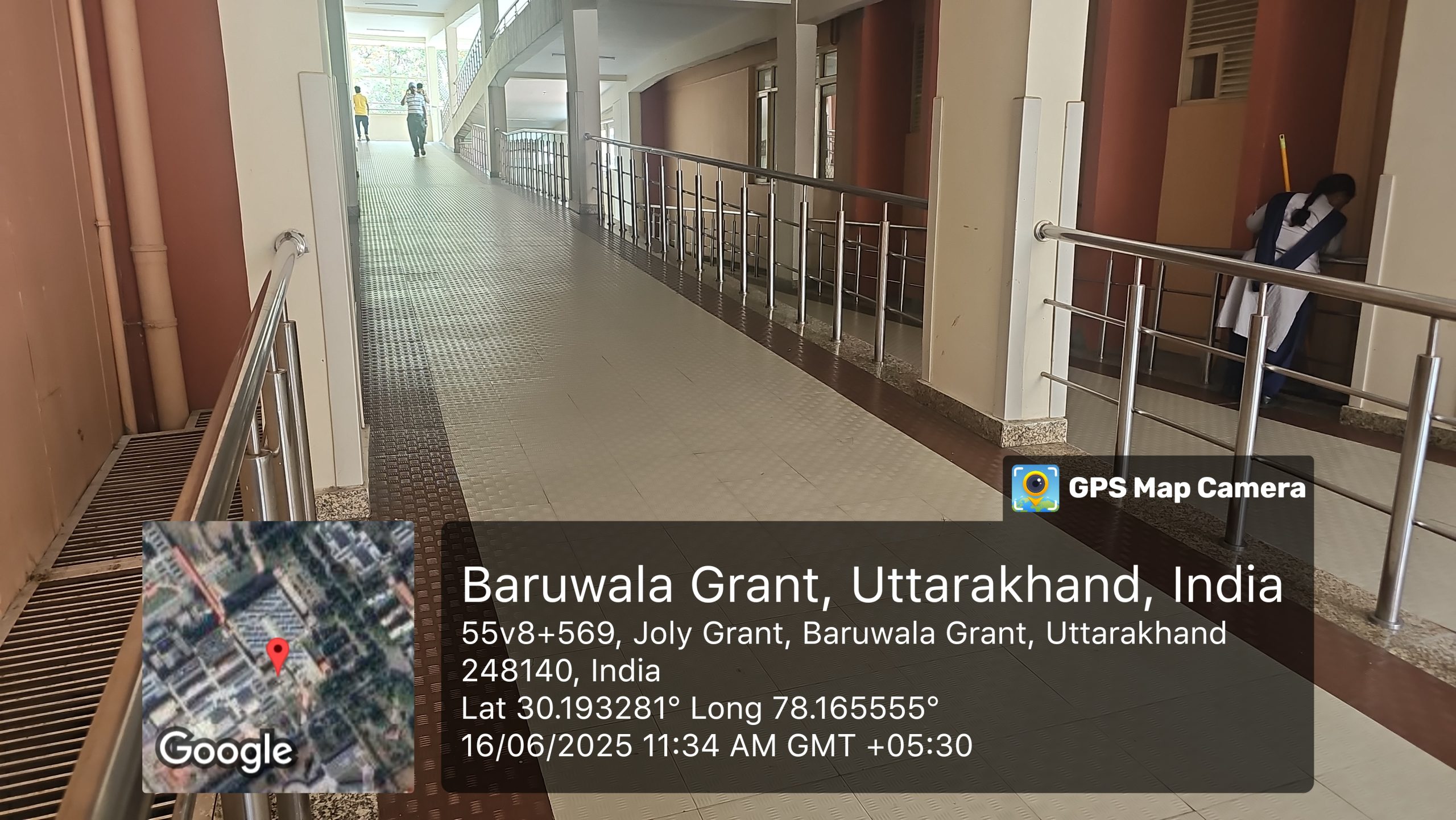
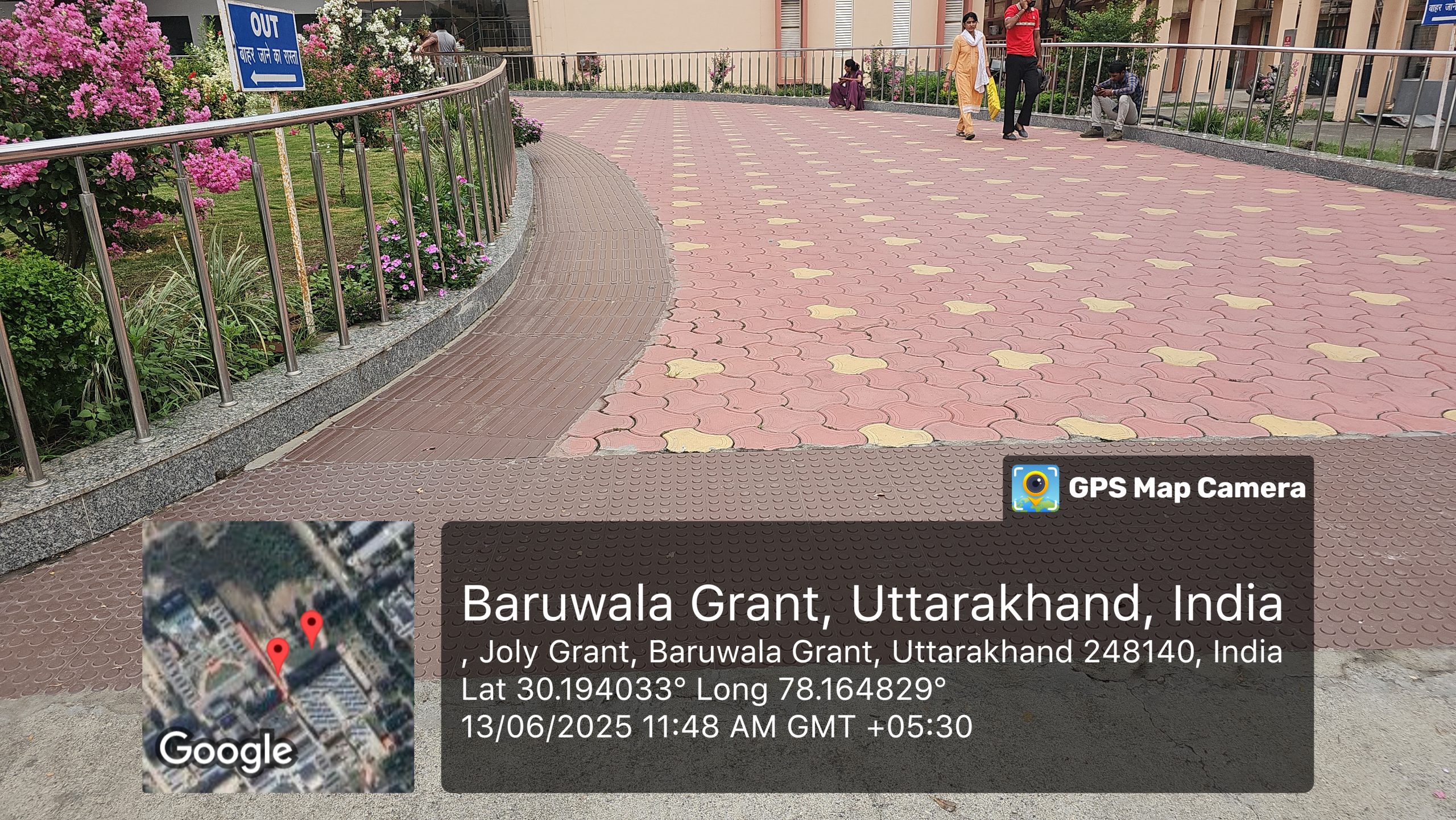
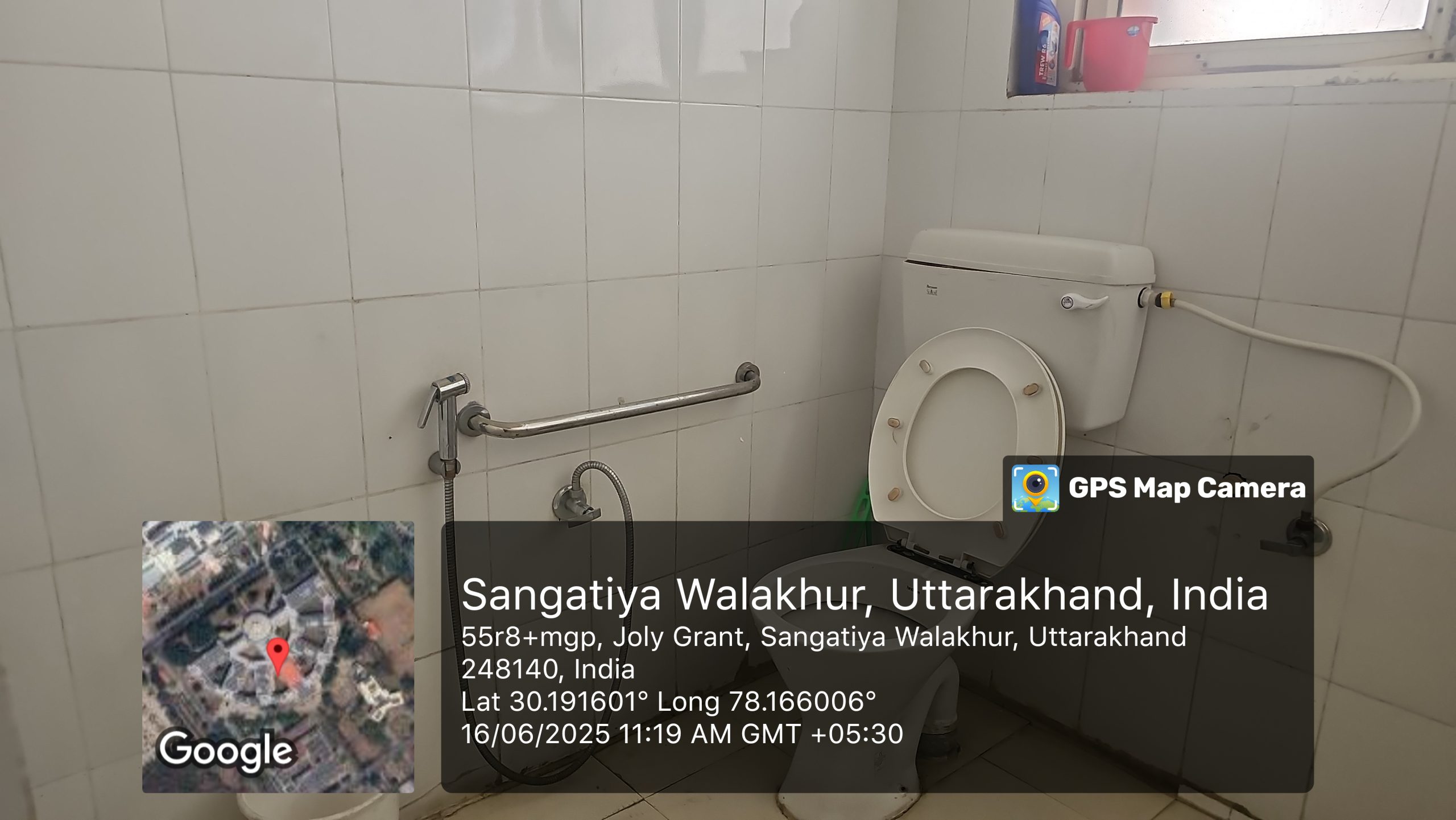
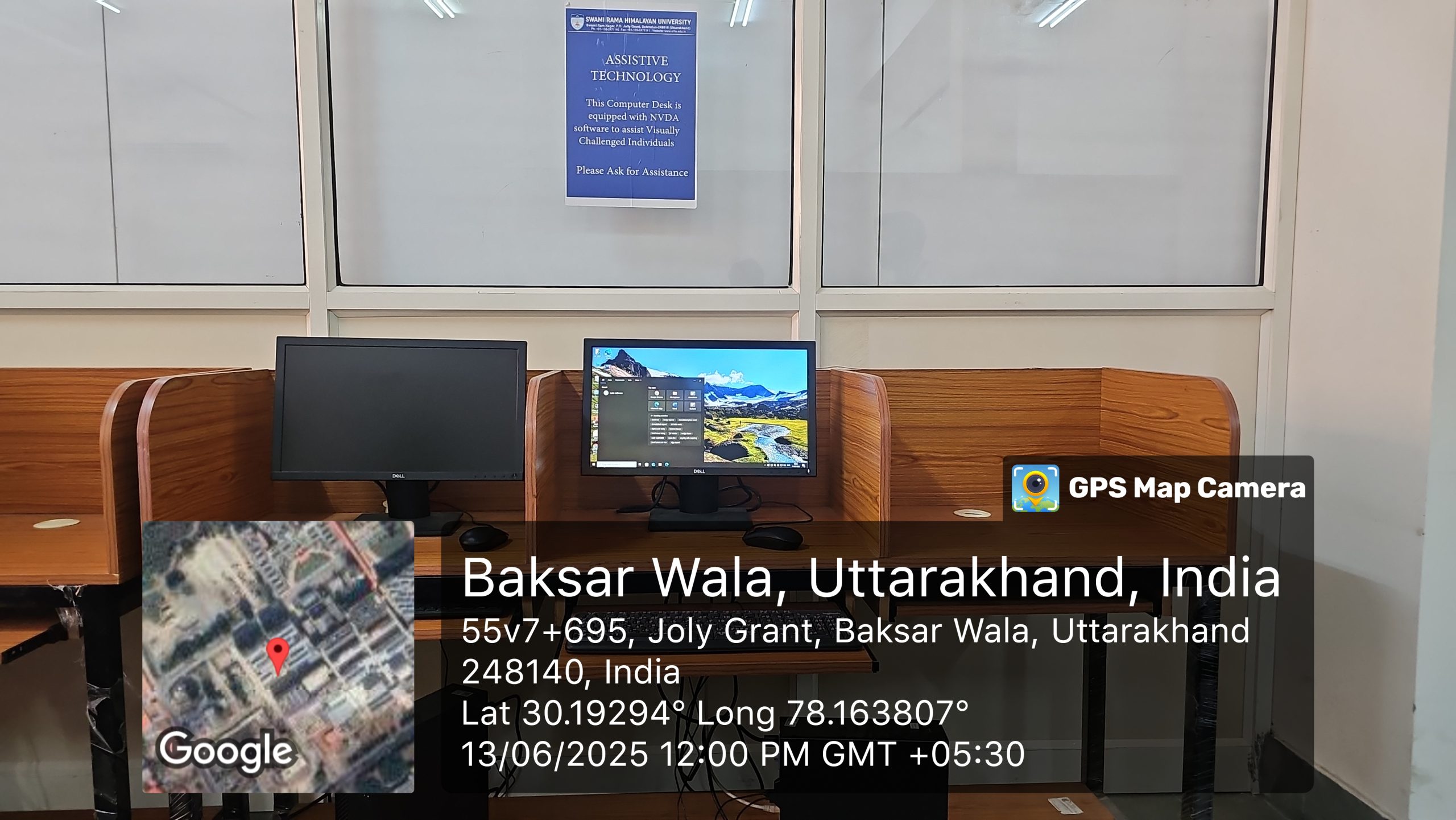
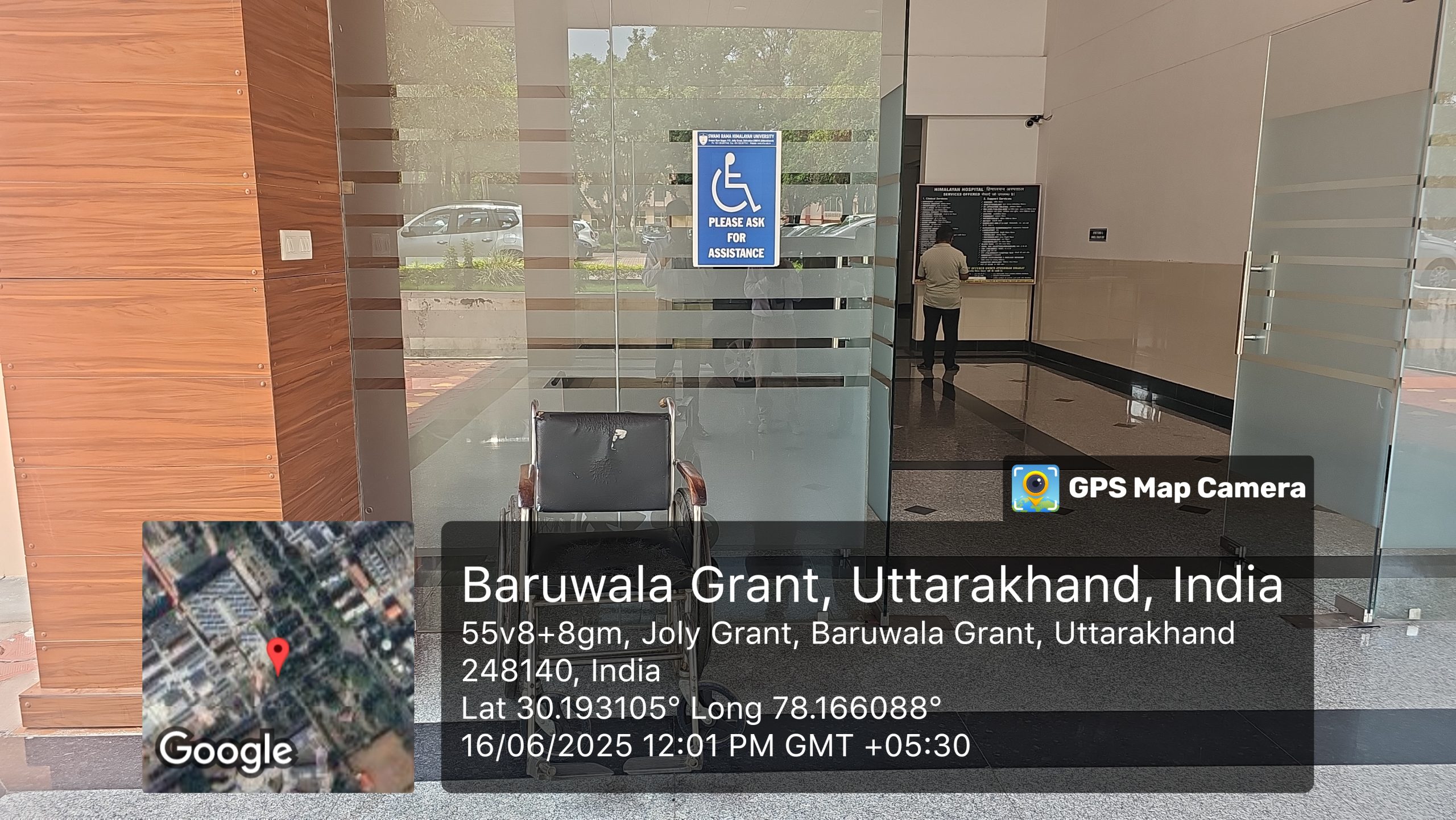
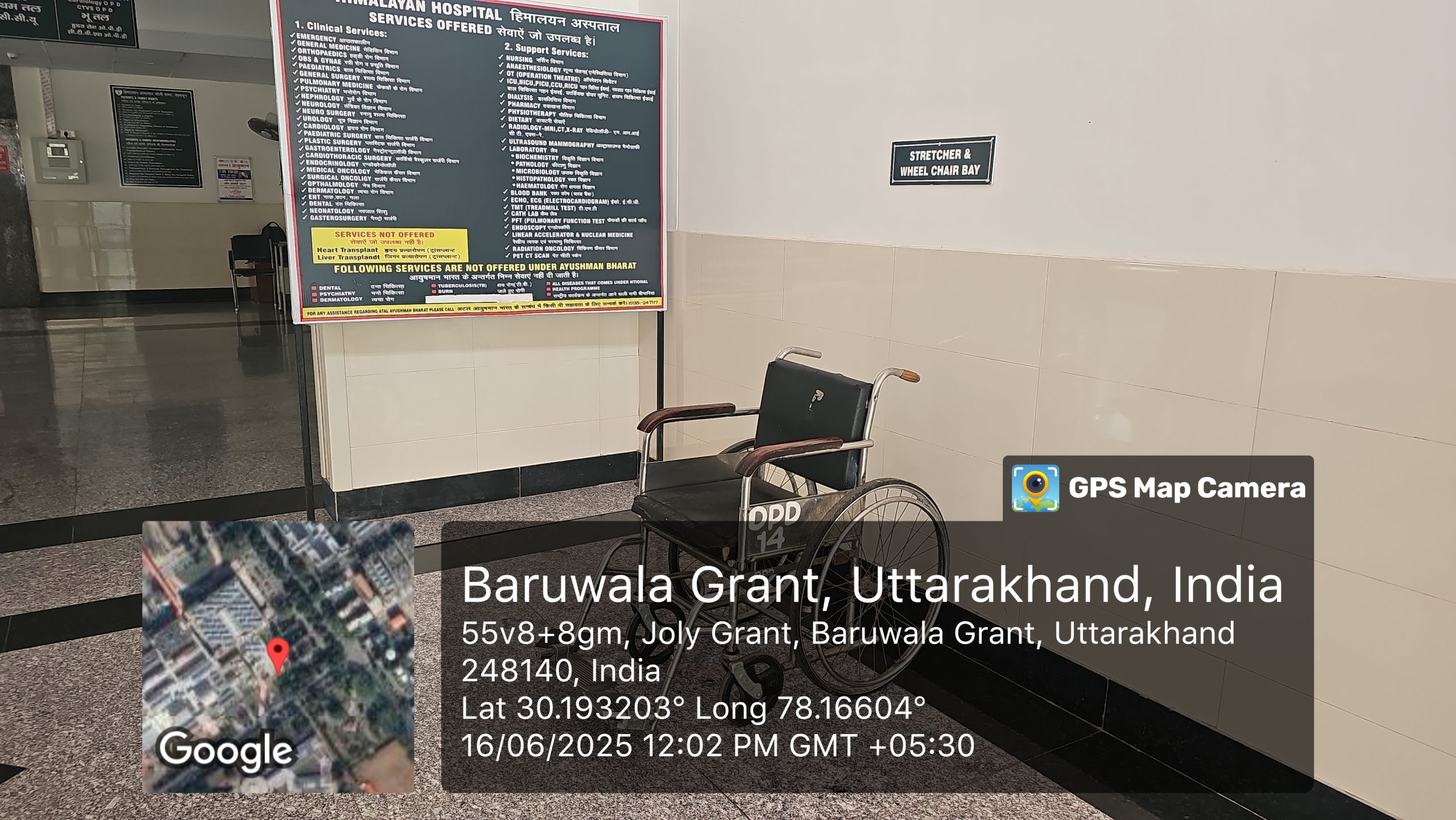
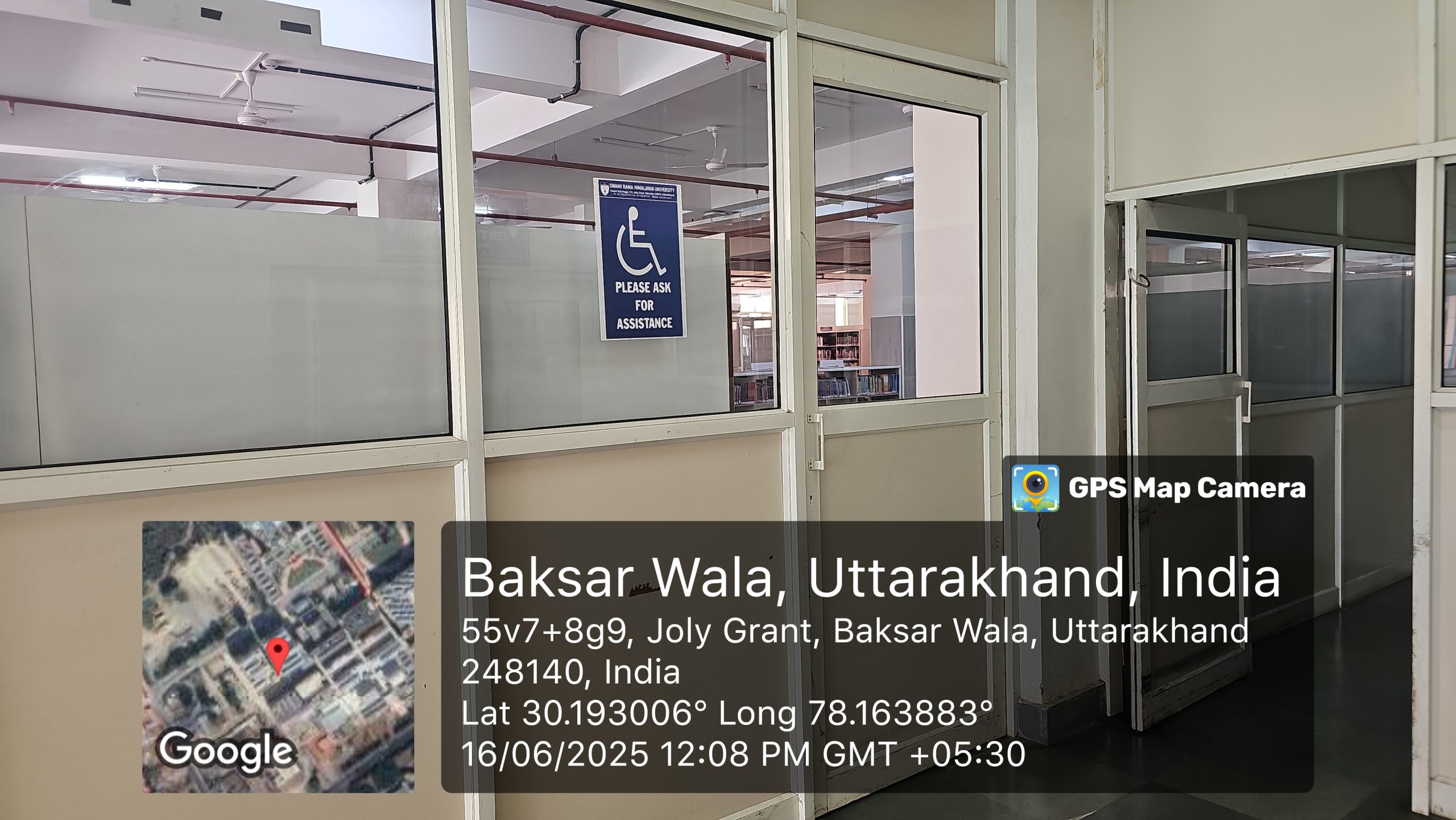
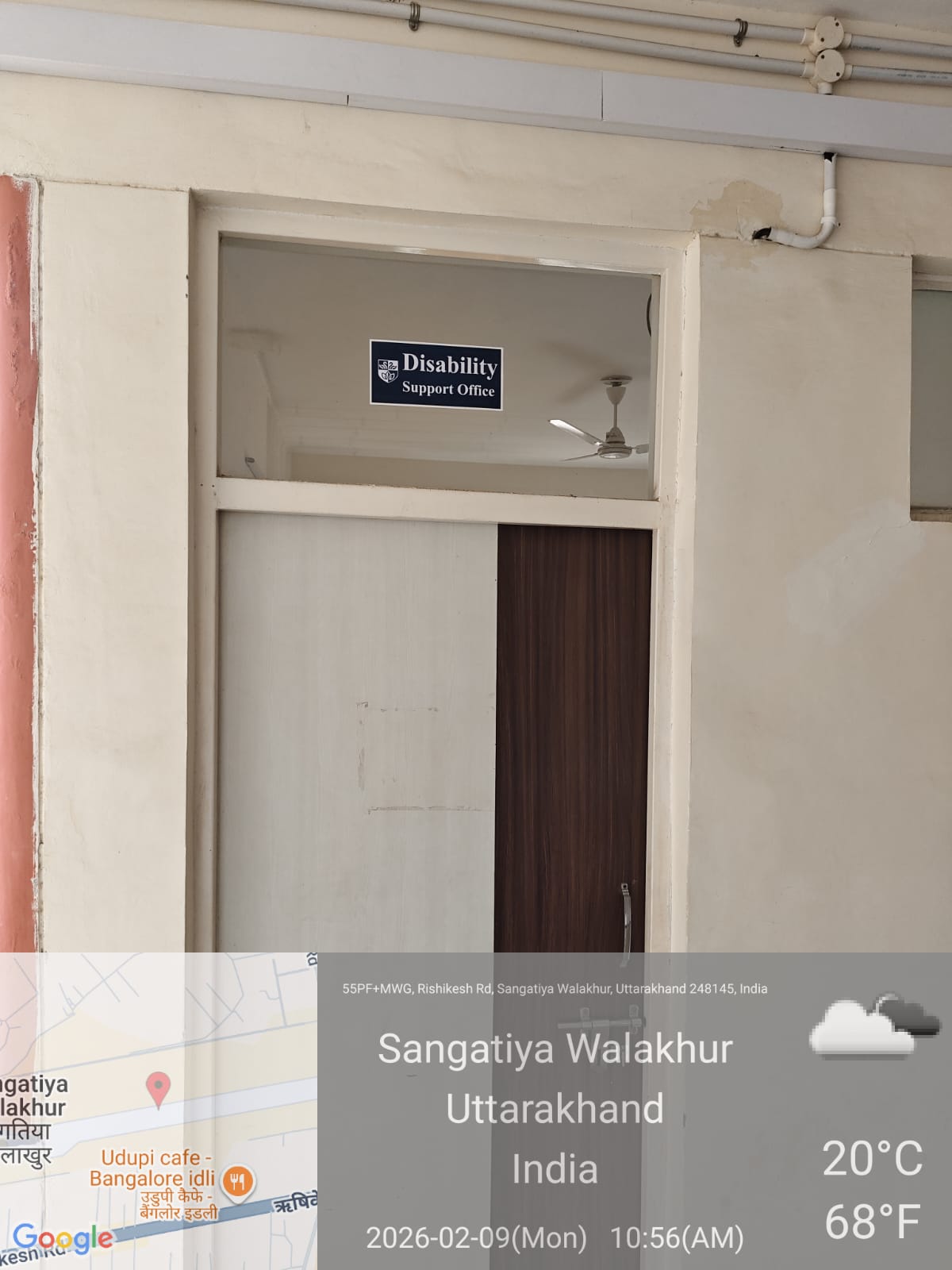
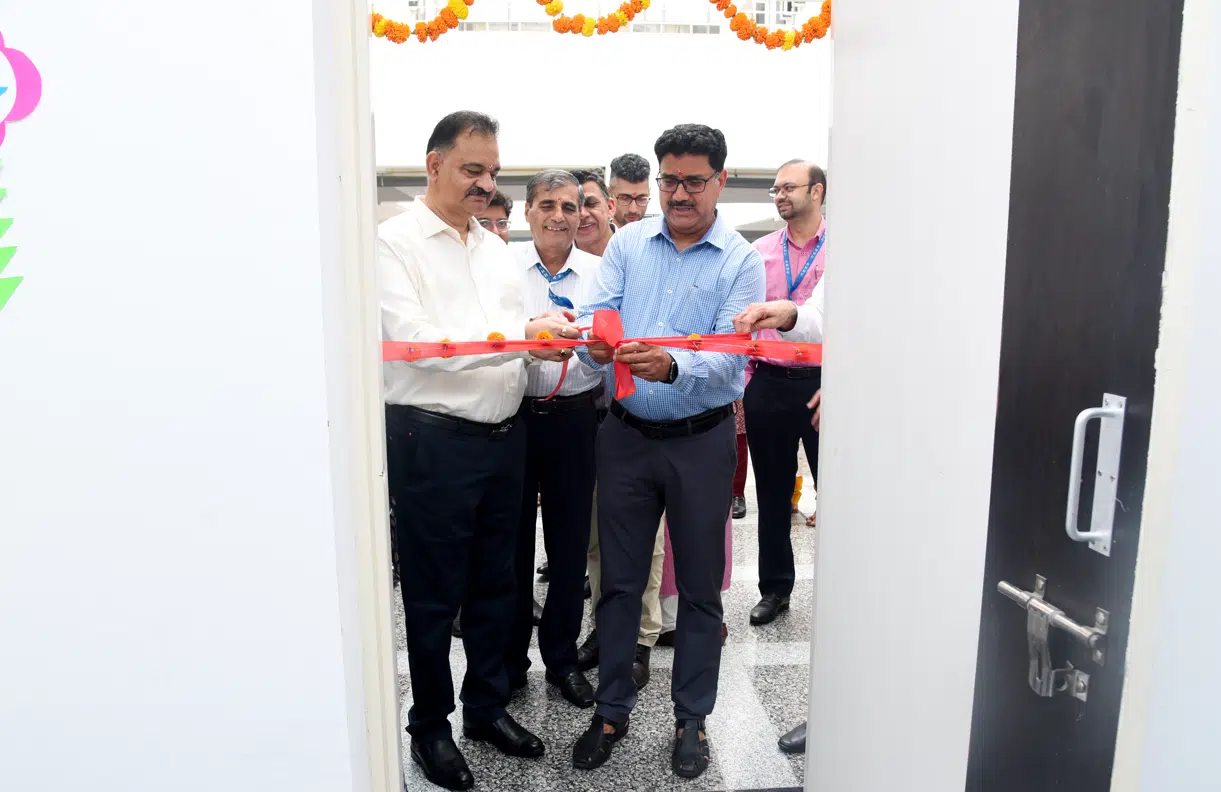
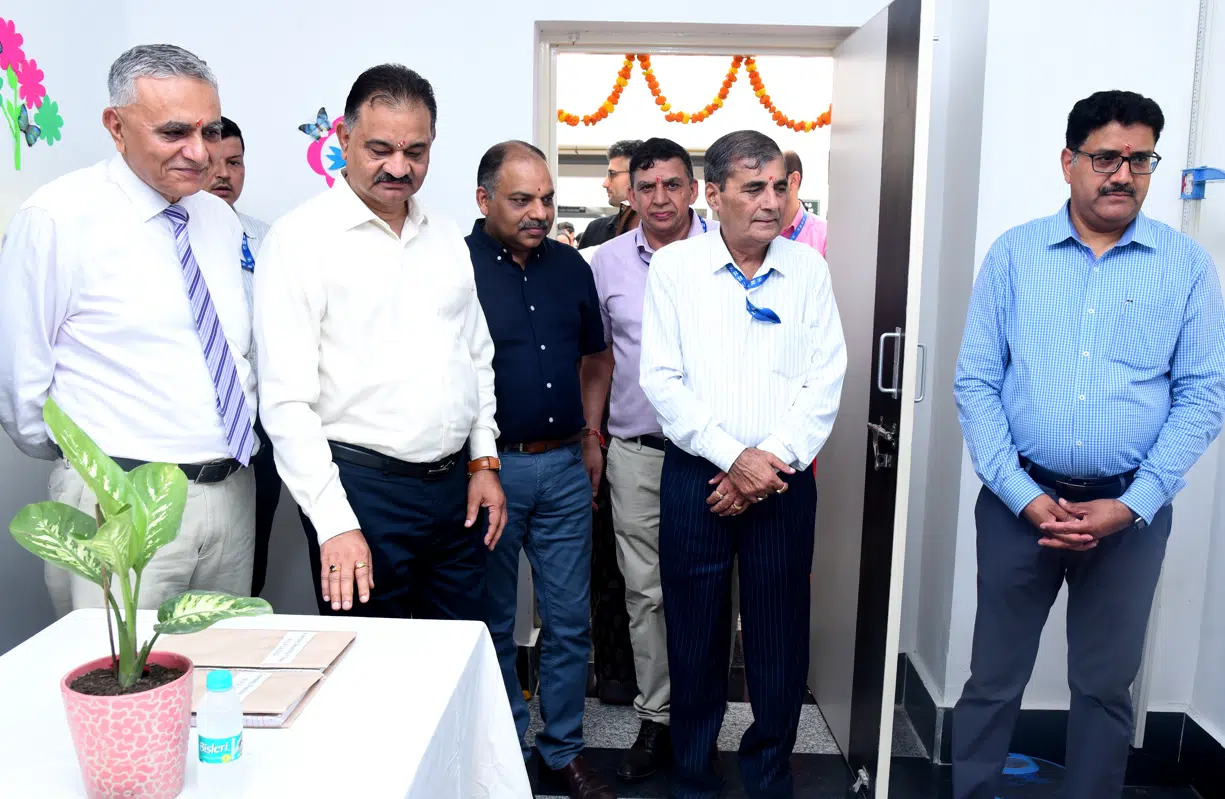
The University is committed to providing an inclusive, barrier-free, and universally accessible campus environment that enables full participation of persons with disabilities in academic and administrative activities.Disability Support Office

Disabled-friendly washrooms:

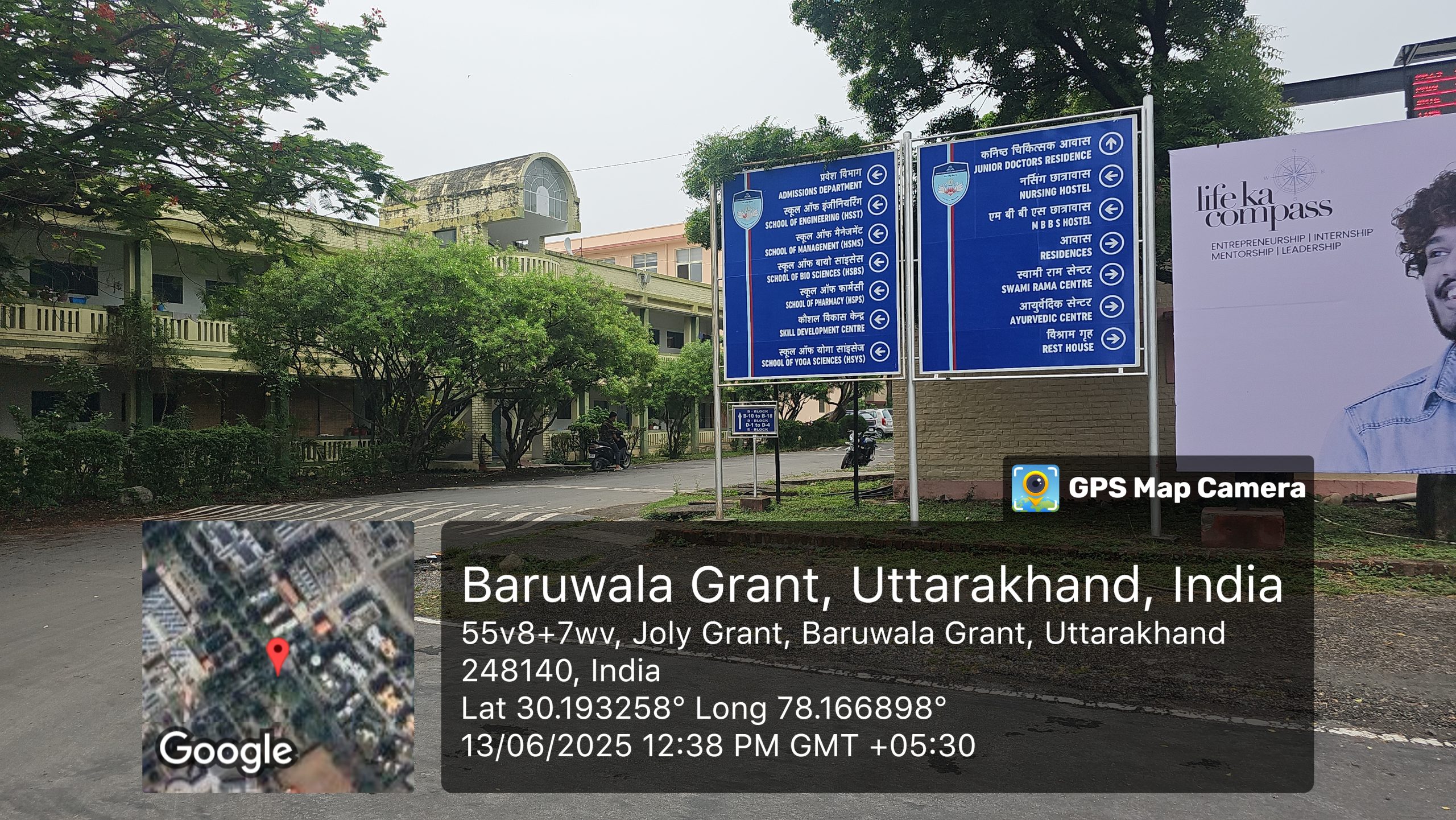
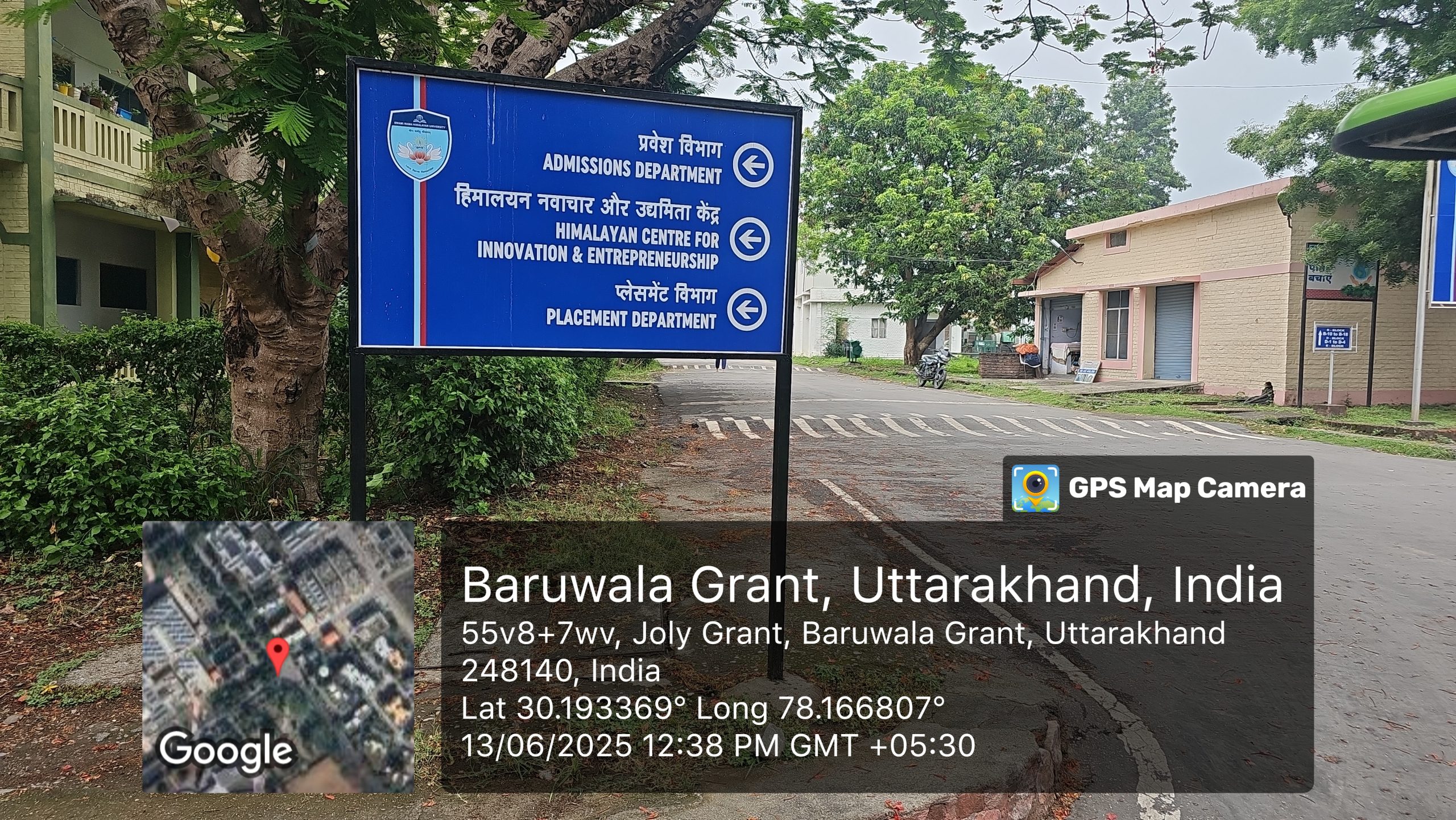
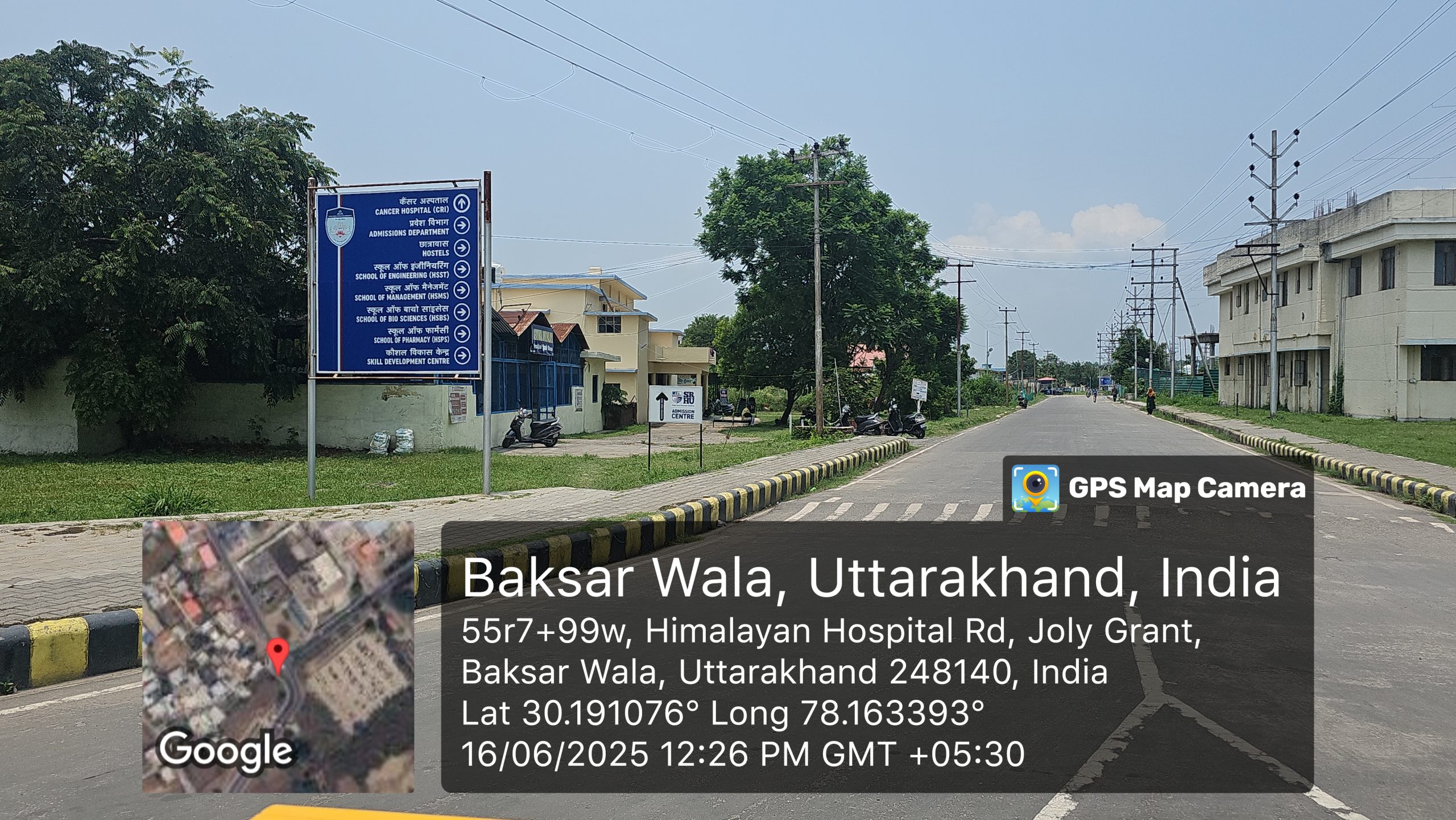
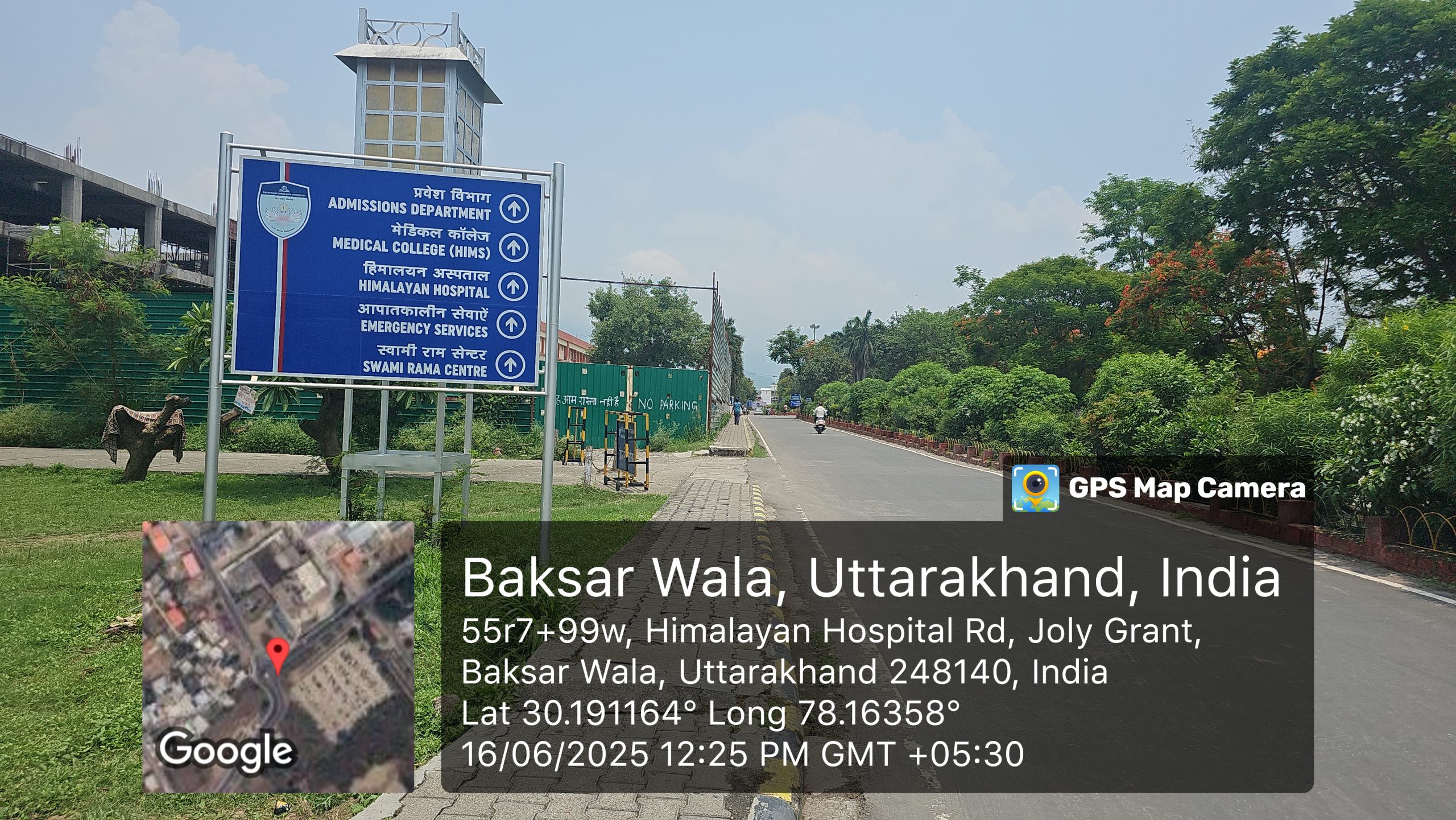
Inclusive signage systems:

Assistive technologies:

Enquiry & information support:

Beyond physical accessibility, the University implements targeted schemes and mentoring support for persons with disabilities, with a focus on learning disabilities and inclusive education.

Swami Rama Himalayan University (SRHU) is deeply committed to fostering a campus culture grounded in gender equity, equity–diversity–inclusion (EDI), and safety, ensuring that every member of the university community experiences dignity, respect, and equal opportunity. The University adopts a rights-based, inclusive, and preventive approach through comprehensive policies, institutional mechanisms, awareness programmes, and inclusive infrastructure that support participation across all genders and social groups.

SRHU regularly conducts gender sensitisation programmes and awareness sessions on the Prevention of Sexual Harassment (POSH) for students, faculty, and staff. These programmes are designed to promote respectful behaviour, ethical conduct, and awareness of individual rights and responsibilities within the campus environment. Mandatory POSH and gender equity sessions are an integral part of faculty and staff induction programmes, ensuring sustained awareness and compliance with national regulations. In addition, the University also celebrates days of importance pertaining to women’s health and organises health camps.

Sessions on Gender Sensitisation

2024-25

2023-24

2022-23

Gender Audit Report

Click Here

Safe Campus and Grievance Redressal Mechanisms

In accordance with UGC regulations, the University has constituted an Internal Complaints Committee (ICC) to address complaints related to sexual harassment and gender-based grievances. The ICC functions transparently and confidentially, providing accessible and timely redressal mechanisms for all stakeholders.

View Details

Campus safety is further strengthened through a multi-layered security framework that includes:

  • Women wardens in hostels
  • Trained women security personnel
  • 24/7 CCTV surveillance across campus
  • Well-lit pathways and common areas
  • Low voltage electric wire fencing at hostels

These measures collectively contribute to a secure and supportive campus environment, particularly for women students and staff.

Women’s Empowerment and Workplace Equity

SRHU actively promotes women’s empowerment and workplace equity through supportive employment policies and academic initiatives. These include:
  • Statutory maternity leave and supportive return-to-work provisions
  • Equitable recruitment, promotion, and employment practices
  • Merit-based fee concessions and financial support for female students to encourage access to higher education

These measures aim to reduce structural barriers and enable women to pursue academic and professional excellence.

Gender-Sensitive and Inclusive Infrastructure

The University has developed gender-sensitive facilities to support holistic participation in academic and professional life. These include:

  • Menstrual hygiene support facilities
  • Sanitary pad vending machines
  • Common rooms
  • Clinical Psychology Cell
  • Childcare and day-care services for staff and students
  • In-house grocery, laundry, and tailoring shop

Such infrastructure ensures that women, caregivers, and individuals with diverse needs can engage fully in university life without constraint.

   Admissions Form         

Admission Open For 2025

×
International Endowed Chair Professor

Prof Rakesh Kumar

Prof Rakesh Kumar is the Founder and President of the Breast Cancer in Young Women Foundation (USA), dedicated to vaddressing the distinct issues affecting young women with breast cancer. He also serves as the International Endowed Chair Professor at the Cancer Research Institute of the Himalayan Institute of Medical Sciences. Additionally, he holds adjunct professorships at Rutgers New Jersey Medical School and Virginia Commonwealth University.

Dr Kumar earned his Ph.D. from the All India Institute of Medical Sciences in 1984 and began his research career at Memorial Sloan Kettering Cancer Center in January 1986. From 1988 to 2017, he held various academic and leadership positions —including faculty member, tenured professor, distinguished professor, endowed chair, department chair, and research leader—at esteemed institutions such as Memorial Sloan Kettering Cancer Center in New York and the University of Texas MD Anderson Cancer Center in Houston. From 2017 to 2022, he served as the National Chair for Cancer Research for the Government of India and as a distinguished professor, continuing his innovative work in breast cancer research.

With nearly 40 years of research and professional experience, Dr. Kumar has made conceptual contributions to the field of cancer research (h-index 108, citations >50,000). He has authored over 325 peer-reviewed publications, edited or co-edited nine books, and delivered 290 invited lectures worldwide. His work has been featured on the covers of 18 major cancer journals and has been highlighted in institutional research reports of the MD Anderson Cancer Center.

A passionate educator and mentor, Dr. Kumar has guided 67 trainees throughout his career. He serves on the editorial boards of multiple leading cancer journals and has served on the editorial boards of 21 top cancer journals. His global reputation is further demonstrated by his participation in about 100 peer-review panels for cancer research funding in the US and internationally over the past 28 years.

Dr. Kumar's innovative research has earned him numerous prestigious honors, including the Hinkle Society Faculty Award at Penn State University (1994), the Dalla/Fort Worth Living Legend Faculty Achievement Award in Basic Sciences (2004), the Ranbaxy Research Award (2006), and the Lifetime Achievement Award from the American Association of Indian Scientists in Cancer Research (2013), among others. Dr. Kumar's pioneering research continues to have a profound influence on the fields of oncology and breast cancer, opening up new opportunities for biomedical scientists and trainees worldwide.